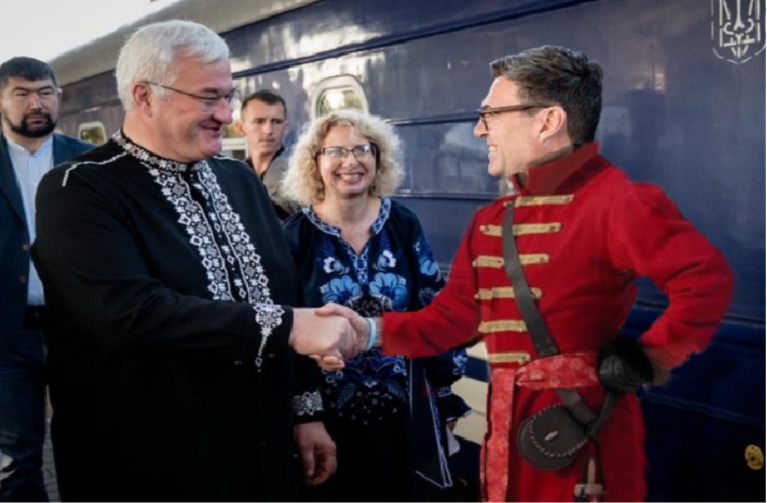
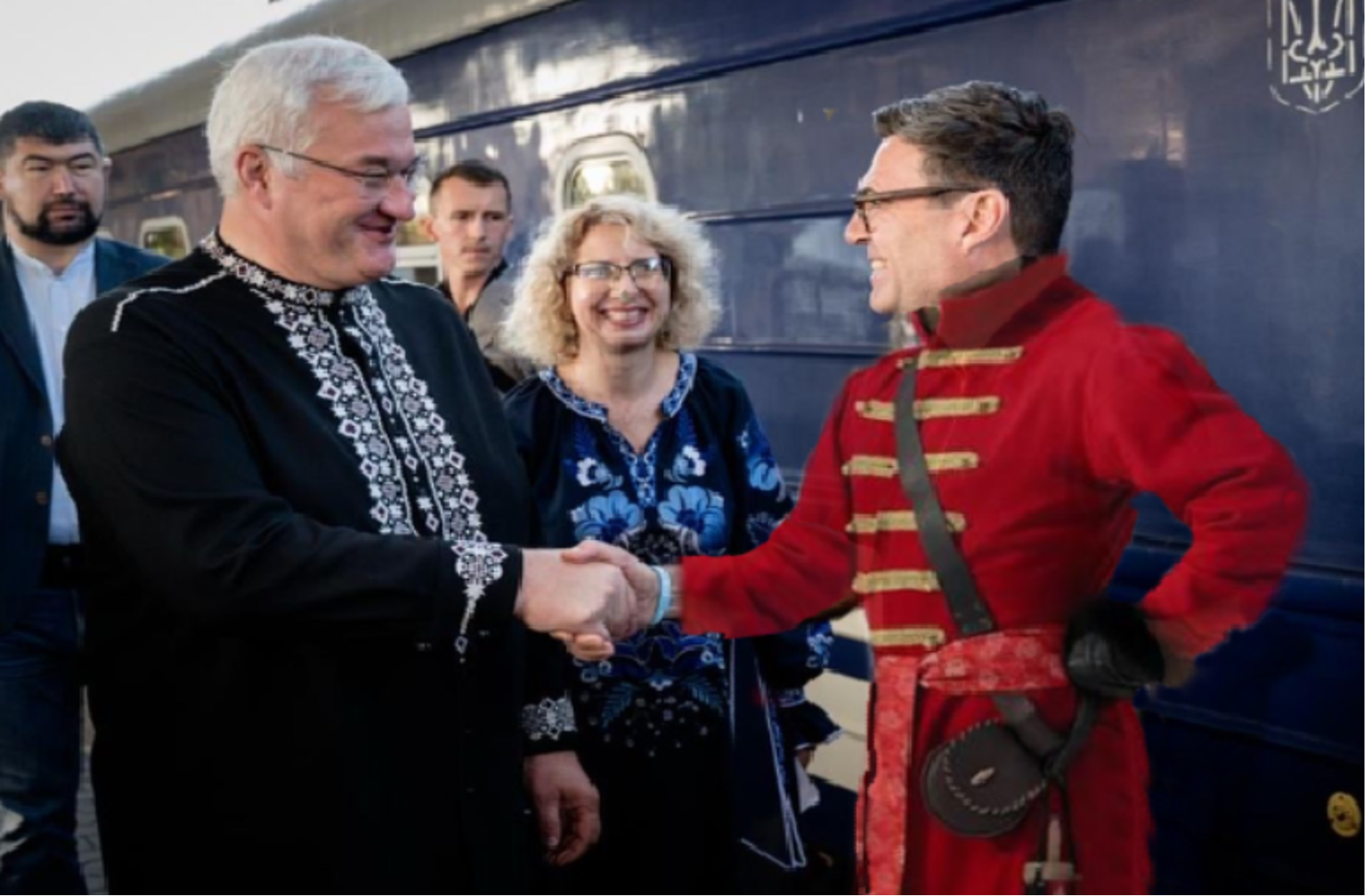
KYIV, UKRAINE – Prime Minister Andy Burnham has drawn criticism from political commentators and fashion historians alike following an official delegation to Ukraine, where his choice of attire raised eyebrows.
Arriving at Kyiv passenger terminal via rail, PM Burnham stepped onto the platform wearing a tailored, ankle-length scarlet tunic adorned with gold braided frogging, a broad silk cummerbund, and a matching leather waist-pouch. The ensemble, which strikingly resembles late 19th-century Imperial Russian infantry dress rather than standard British business attire, stood in stark contrast to the traditional Ukrainian vyshyvanka worn by hosting officials.
Skeptics quickly took to social media to question the strategy behind donning high-ranking Imperial officer regalia in a modern Eastern European war zone. Several opposition figures described the sartorial decision as “distinctly un-monikered” for a British Prime Minster, noting that the outfit leaned far more toward Czarist autocrat than a loon-left Socialist.
Biz Tsar
Defending the wardrobe choice, a Downing Street spokesperson stated that Mr. Burnham was merely seeking to keep warm during the overnight train journey while supporting international textile heritage.
“The PM remains fully committed to fostering strong diplomatic ties,” the statement read. “The garment in question is a vintage ceremonial coat designed for maximum insulation during continental travel. Any historical parallels to 19th-century Romanov generals are entirely coincidental.”
Despite the clarification, body language experts noted that the local delegation appeared visibly baffled during the ceremonial handshake, though conversations regarding the sharing of military blueprints proceeded as planned. Mr. Burnham is expected to return to Manchester later this week, where aides confirm he will revert to his standard Everton football kit.
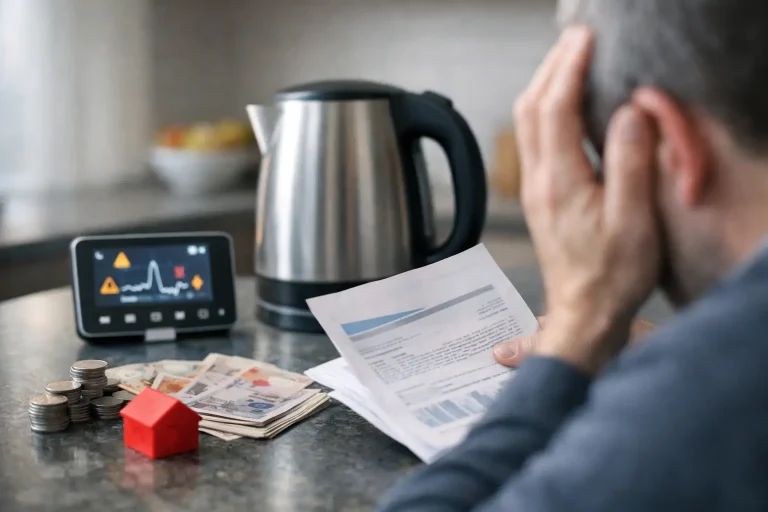
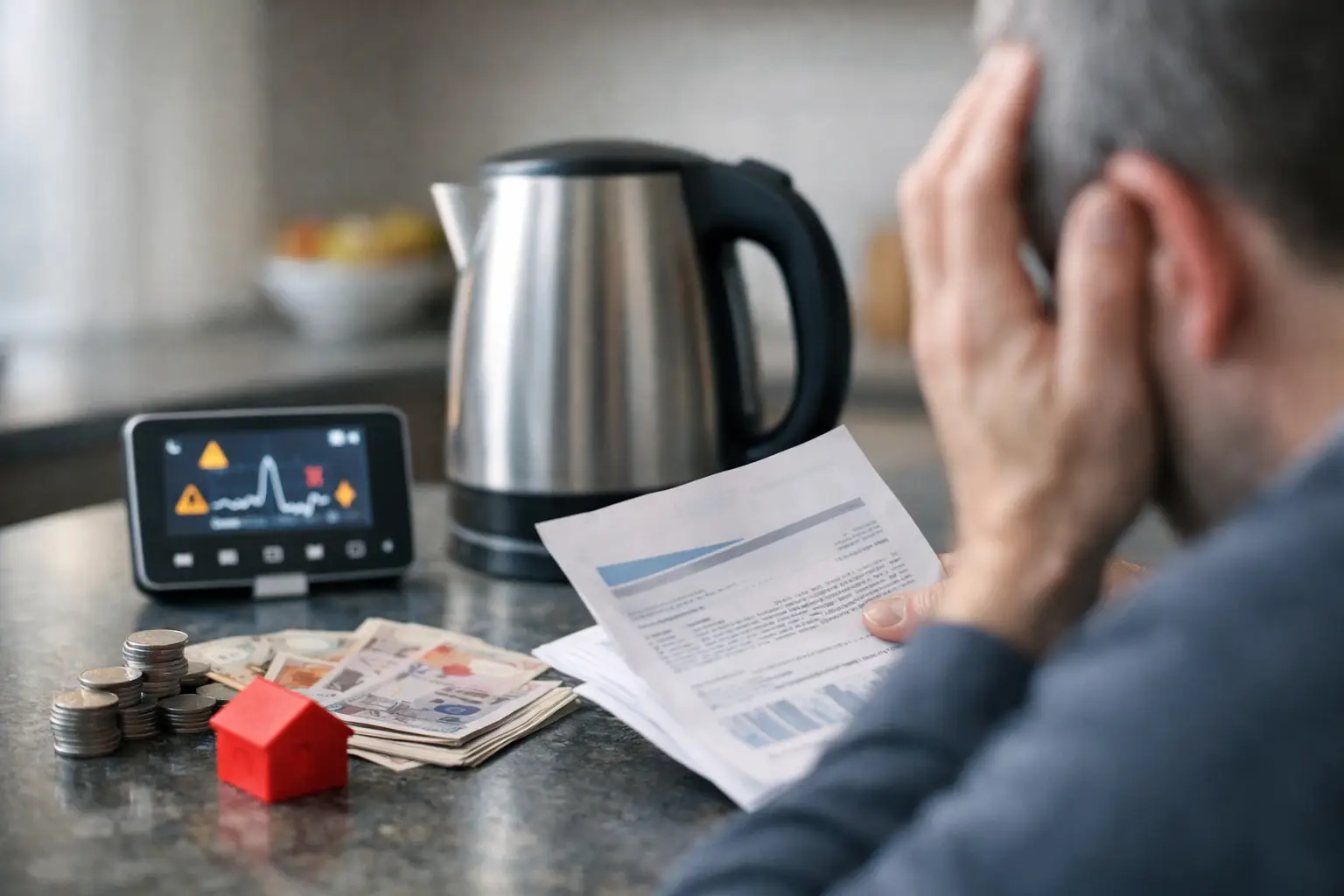
A smart meter billing error charges a Suffolk home £1m for boiling a kettle, according to a bill that has left one Ipswich man considering whether a teabag is really worth it.
By Our Norfolk Reporter: Ian Bred
The letter, which arrived on Tuesday with the cheery heading Your latest energy statement, alleged that 47-year-old Darren Plumb owed £1,000,003.82 after making a cup of Yorkshire Tea at 6.14am. The additional £3.82 is understood to cover standing charges, a paper envelope and the emotional cost of looking at the figure.
Mr Plumb, of the Chantry area, said he had put the kettle on only because his wife, Sharon, had asked for “a normal cup, not one of your weird builder’s tea experiments”. Within minutes, his smart meter display reportedly began flashing the word “GOOD LUCK”.
This is, naturally, a work of satire. But anyone who has ever opened an energy bill while standing half-dressed in a cold kitchen will recognise the administrative horror of it all.
Smart meter billing error charges Suffolk home £1m
The Plumbs first suspected something was amiss when their direct debit rose from £126 a month to “the entire contents of the British Museum”. Darren then logged on to his supplier’s app, where a helpful dial showed his household was using enough electricity to power Felixstowe Port, the moon and, for reasons nobody could explain, a single air fryer in Bury St Edmunds.
“I thought it might be the tumble dryer,” he said, speaking beside a kettle now treated by the family with the respect normally reserved for unexploded ordnance. “Then I remembered we’d switched it off because it makes the kitchen smell like a damp cricket pavilion.”
The bill itemised the offending boil in forensic detail. It recorded 1.7 litres of water, two mugs, one digestive biscuit and a period of “aggressive spoon activity” lasting seven seconds. It also noted that Mr Plumb had briefly opened the fridge, an action it valued at £14,600 “due to grid pressure and personal choice”.
Sharon Plumb said the household had responded sensibly. “We’ve stopped using the kettle. We now heat water by leaving a mug on the dashboard of Darren’s Kia between eleven and two. It’s not ideal, but neither is remortgaging your bungalow because you fancied an Earl Grey.”
Neighbours say the family has been visibly adapting to the new financial reality. Darren has started showering at work, despite being a forklift instructor. Sharon has banned the children from charging mobile phones after 8pm unless they can demonstrate “a clear economic benefit to Suffolk”. Their son Callum is said to have asked whether he may continue playing computer games, only to be handed a candle and a copy of the Radio Times.
Supplier offers a reassuring automated reply
Energy firm East Anglian Power & Patriotic Tariffs told the Gazette it was taking the complaint “extremely seriously, subject to a wait time of between six and seventeen business winters”.
An automated message sent to Mr Plumb thanked him for getting in touch and suggested several ways to reduce consumption, including wearing an extra jumper, turning appliances off at the wall, moving to a smaller home and considering “whether boiling water is essential to your lifestyle”.
The message added that customers worried about unusually high bills could visit the firm’s online help centre, where they would be asked to enter their account number, mother’s maiden name, blood type and the name of their first primary-school dinner lady.
A spokesman for the company later clarified that the million-pound charge may have resulted from “a minor discrepancy between the meter, the billing platform and what we generally understand electricity to be”. He said the firm had sent an engineer to inspect the property, although the engineer was currently stranded in a lay-by near Stowmarket after his electric van required an update.
“We encourage customers not to panic,” the spokesman said. “The vast majority of bills are accurate, or at least accurate enough to make challenging them feel like an act of personal rebellion against an invisible empire.”
He also confirmed that, should the charge prove genuine, the company would be willing to discuss a payment plan. At £47.50 a month, the Plumbs would be debt-free shortly after the sun expands and consumes the Earth.
The meter has its own version of events
The smart meter, a glossy white device fitted to the cupboard beside the biscuits, has declined to comment directly. However, witnesses say its in-home display now shows a small frowning face whenever anybody reaches for a plug.
Darren believes the machine has changed since installation. “At first, it was quite encouraging. It showed us little green smiley faces when we used less power. Then it began judging us. Last Thursday it called the slow cooker ‘a lifestyle decision’.”
The family says the display has developed a particular vendetta against the kettle. On Wednesday it allegedly announced, “ARE YOU SURE?” when Sharon filled it halfway. On Thursday, after Darren attempted to make instant coffee, it showed a scrolling estimate of the national debt.
Local electrician Colin “Sparky” Nunn, who has not examined the meter but has watched a video of it on Darren’s mobile phone, said it was probably one of three things: a software fault, a communication error, or “the machine finally understanding what a British household does between 5pm and 7pm”.
“Smart meters are meant to help people see their usage,” Mr Nunn explained. “They do that brilliantly. You can see it in real time, then feel guilty about it in real time, which is progress of a sort.”
Smart meter billing errors and the great tea dilemma
There is a practical truth lurking beneath this ridiculous bill, like a biscuit at the bottom of a sink. Smart meters can make household energy use more visible, but readings, tariffs, estimated bills and supplier systems are not the same thing. A display showing a dramatic cost is not automatically the final amount anyone owes, and a suspicious bill deserves checking rather than frantic payment between sobs.
That said, the Plumbs have taken no chances. The kettle has been placed in a locked shed, beside an old breadmaker and a fondue set that once cost the family £9.99 at a car boot sale. Darren now makes tea at his mother’s house in Kesgrave, a journey that costs more in petrol but offers the vital advantage of being someone else’s standing charge.
Mrs Plumb remains less impressed by official assurances. “They say it’s all being investigated. That’s lovely. I’d just like to know whether I can boil pasta without triggering a call from the Bank of England.”
Her concern is shared at the White Horse, where regulars have begun discussing energy-saving measures with the seriousness previously devoted to transfer rumours and whether the council should be allowed to put another roundabout anywhere near a roundabout. One man has proposed a communal kettle, operated only on alternate Tuesdays. Another suggested pints of tea, as “they’re already warm by the time you get to the bottom”.
For now, the Plumbs are awaiting a revised statement, an engineer’s visit and a cup of tea that does not require independent financial advice. Darren says he has learned a valuable lesson from the ordeal.
“Next time, I’m having squash,” he said. “Unless the water company’s got a smart meter too.”
If your own meter appears to be charging you the price of a modest Suffolk village for a brew, keep calm, photograph the readings and make the tea anyway. Some things are worth a strongly worded phone call.
UK weather map forecast shows sudden giant cloud shaped like turnip, according to an emergency briefing held behind the vending machines at Ipswich Town Hall.
By Our Angling Correspondent: Courtney Pike
The great vegetable mass appeared to be drifting eastwards over Suffolk, alarming commuters, amateur meteorologists and one man from Stowmarket who had only gone outside to put his wheelie bin back.
The cloud, described by experts as “unmistakably turnip-ish”, was first spotted on a weather app between a yellow rain warning and a sponsored advert for loft insulation. Its bulbous white centre and wispy green-grey top left little room for doubt. For almost nine minutes, Britain was united by a single pressing question: is that a turnip, or has the country finally run out of normal weather?
A spokesperson for the wholly made-up East Anglian Atmospheric Vegetable Unit said the formation was “larger than expected and disappointingly seasonal”. Residents were urged not to panic, although they were advised to bring in any washing, garden furniture and vulnerable brassicas.
UK weather map forecast prompts turnip protocol
Suffolk County Council, which has never knowingly allowed an unusual shape to pass without a laminated flowchart, immediately activated its Root Crop Resilience Plan. The plan, last updated following the 2018 Beast from the East and a particularly threatening parsnip display at the Suffolk Show, sets out clear guidance for the public.
People living beneath the cloud were told to remain calm, avoid looking directly at any swede-shaped cumulonimbus, and refrain from posting “looks like a potato to me” beneath official updates until trained specialists had reviewed the evidence. Those with allotments were advised to speak soothingly to their vegetables and, where possible, cover them with a tarpaulin from B&Q.
The cloud was initially believed to be moving towards Bury St Edmunds, where local residents have considerable experience of being visited by unusual things and then politely pretending not to notice. It later veered south-east, apparently after seeing the price of parking.
“We deal with a lot of weather in Suffolk,” said fictional council meteorological liaison officer Brenda Pottle. “Rain coming sideways off the North Sea. Heatwaves that last from Tuesday lunchtime until somebody lights a barbecue. Fog so thick you can hear Lowestoft but not see your own hedge. But a turnip cloud is a different kettle of soup altogether.”
Scientists identify key signs of a giant turnip cloud
The Met Office has not said any of this because it is made up, but experts imagined for the purpose of this report believe the formation could have developed when a patch of cold air collided with a warm front, a weak sun and a national subconscious full of Sunday roasts.
Professor Neil Drizzle, chair of Applied Sky Shapes at the University of Nowhere Near Diss, said the public should not confuse a turnip cloud with a standard cauliflower cloud. “A cauliflower cloud has texture, drama and a vague sense it may have been served with cheese sauce,” he explained. “The turnip variety is rounder, paler and carries the quiet disappointment of a pub carvery where the Yorkshire puddings have gone.”
He added that Britain sees familiar objects in weather systems all the time. A cloud can resemble a dog, a pirate ship, an angry pensioner or the map of Kent if Kent had recently sat down too quickly. But the turnip is rare because it requires a very precise balance of moisture, wind shear and collective boredom.
The giant cloud was reportedly visible from Felixstowe to Thetford, though most witnesses were watching it through the sort of mobile phone screen that makes even a straightforward photo of a tree look like evidence of alien activity. By mid-morning, local Facebook groups had produced at least 400 comments, 17 grainy images and one lengthy argument about whether the council should have done more.
“I saw it over the A14,” said made-up HGV driver Derek from Sudbury. “At first I thought it was a weather event. Then I thought it was a turnip. Then I remembered I was carrying 22 pallets of frozen peas and decided not to get involved.”
Farmers warned of possible mashed precipitation
Across the county, farmers reacted with the measured stoicism usually reserved for broken machinery, baffling paperwork and television presenters trying to explain food production from a field they have visited once.
The fictional Suffolk Farmers’ Association said it was monitoring the situation closely, particularly the risk that the cloud might descend and begin offering unsolicited opinions about soil health. “We can cope with rain,” said its pretend chairman, Clive Hargreaves. “We can cope with drought, mud, markets and people asking whether tractors need petrol. What we cannot cope with is the sky growing a root vegetable and then expecting us to make something of it.”
There were also concerns for sheep, which have historically shown little capacity to distinguish between clouds, turnips and the open gate they are walking through. Several flocks were said to be staring upwards in a manner farmers described as “not helpful”.
One grower near Framlingham claimed the cloud had caused his prize sheepdog to round up three hens, a compost bin and a visiting electrician. “The dog’s convinced it’s a giant floating snack,” he said. “To be fair, he’s not entirely wrong.”
The National Trust was not involved, but a person wearing a wax jacket at a nearby farm shop suggested the cloud should be preserved for future generations. This proposal was rejected after it became clear that no one had brought a sufficiently large Tupperware box.
Is the turnip cloud actually a warning?
Naturally, the appearance of a vegetable-shaped cloud has raised questions about what Britain is being warned about. Some believe it is a message from nature to eat more seasonally. Others think it is a sign that the price of a decent jacket potato will soon reach £9.50. One man in Woodbridge insisted it foretells a hung parliament, though he also said this about an oddly shaped crumpet in 2019.
The more likely explanation, according to people who understand both meteorology and the internet, is that weather maps occasionally produce shapes and Britain is exceptionally good at turning them into a national emergency before elevenses. A squall line becomes a shark. A pressure system becomes a rude gesture. A slightly oval cloud becomes a turnip and, within minutes, somebody is asking whether schools should close.
That does not mean the public should ignore genuine weather warnings. Actual forecasts are useful for deciding whether to carry an umbrella, delay a journey, tie down the trampoline or accept that a bank holiday barbecue will involve six adults sheltering under a gazebo while someone insists it will brighten up later.
But the Turnip Event, as it is already being called by no official body whatsoever, may offer a gentler lesson. The British weather is changeable, faintly hostile and forever capable of ruining a picnic. It also provides the country with one of its few dependable shared hobbies: pointing at the sky and making a confident claim based on absolutely no evidence.
By lunchtime, the giant turnip had stretched out, lost definition and become a more conventional grey smear over the county. This was met with relief by residents, disappointment by amateur cloud spotters and outright anger by a man who had driven from Colchester with a sack of butter and a spoon.
For now, Suffolk can return to its normal meteorological priorities: wondering whether that is rain on the horizon, rain currently happening, or rain which stopped three minutes ago but has soaked through your socks anyway. Keep an eye on proper forecasts, keep your washing within sprinting distance, and if the sky ever resembles a giant rutabaga, perhaps just give it a respectful nod and carry on with the day.
This article is satire. Please do not ring the passport office about the stamp, the queue, or the council.
By Our Economics Editor (on secondment from the Peking Times): Foo Tse
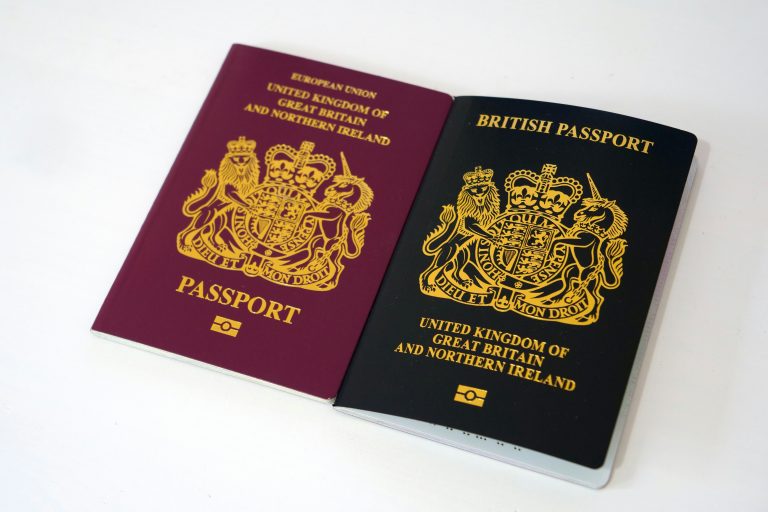
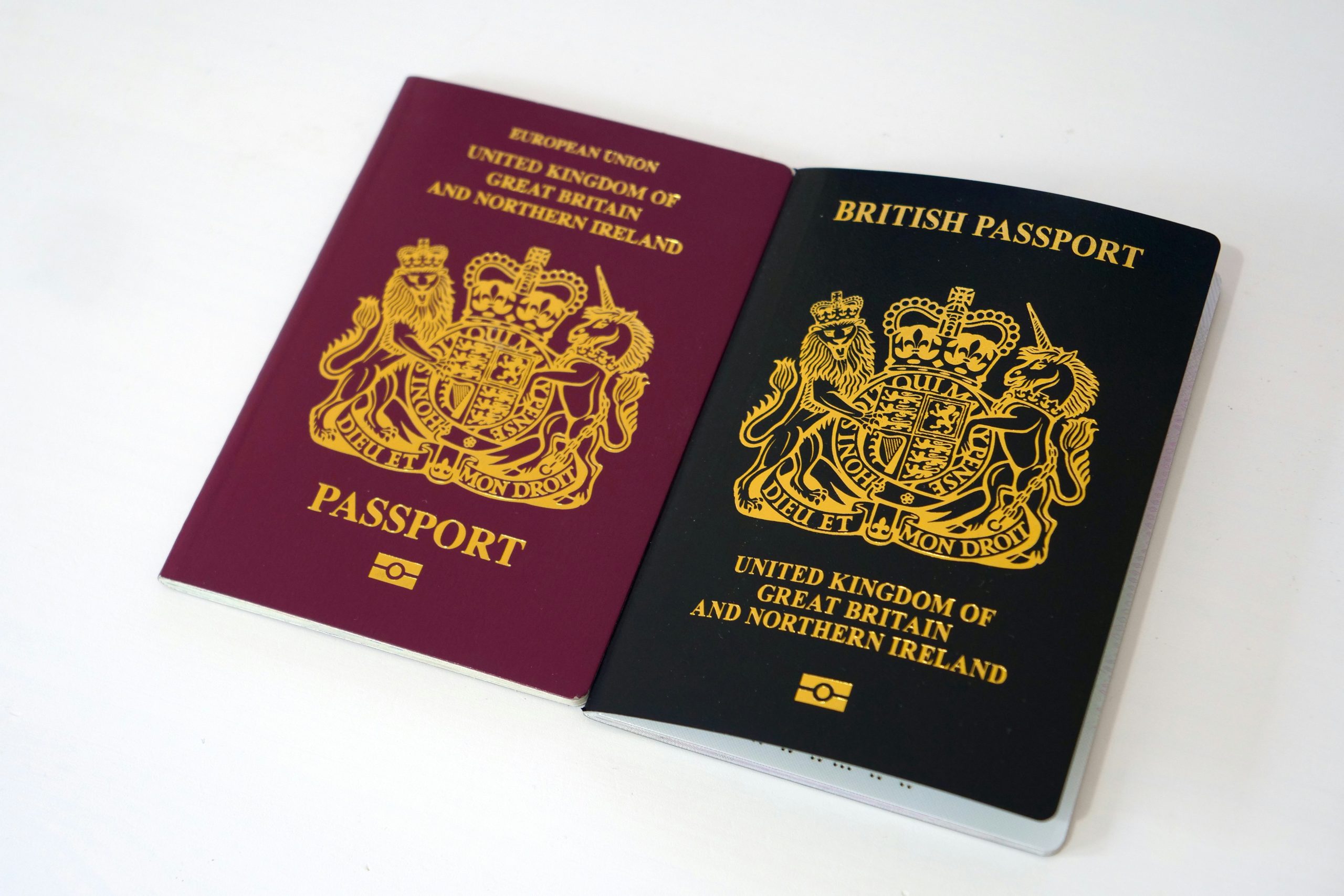
IPSWICH – Passport renewal track application delays blamed on single missing stamp have left one Suffolk man in administrative limbo after officials reportedly discovered that his 1989 application folder was “almost perfect, except for one tiny square of ceremonial ink”.
The missing stamp is believed to have been intended for Box 14C, a section of the form which no longer exists, concerns a holiday to Majorca that never happened, and was last seen by a civil servant called Derek in 1994.
Yet without it, according to the Passport Continuity and Mild Regret Directorate, the entire renewal process cannot proceed. Not slowly. Not provisionally. Not even with the usual British compromise of putting a Post-it note on it and hoping somebody more senior retires before Friday.
Local resident Colin Fenn, 61, applied for a renewed passport in March after finding his existing one had expired shortly before he intended to use it for a long weekend in Bruges and an opportunity to buy three bottles of beer he could not pronounce.
Five months later, he has received 14 emails, six identical letters, a plastic wallet marked “URGENTISH”, and one telephone call in which an automated voice sighed heavily before disconnecting.
“It is not the delay that gets you,” said Mr Fenn, speaking from his kitchen table beside a growing pile of photocopies. “It is the confidence with which every person says they are unable to tell you what the stamp was, who issued it, or whether stamps still exist. One lady asked if I had tried checking behind the fridge.”
Passport renewal delays and the stamp nobody can name
Officials insist the hold-up is regrettable but essential to national security, international co-operation and the continued existence of a filing cabinet in Peterborough labelled ‘MISCELLANEOUS BUT VITAL’.
A spokesperson, wearing the expression of someone who has personally explained a PDF to a magistrate, said the missing stamp could relate to any number of serious matters. These include a former address, a counter-signatory, a passport photograph judged too cheerful, or proof that Mr Fenn had not once attempted to cross the Channel using a laminated library card.
“The system has identified an irregularity,” the spokesperson explained. “When a system identifies an irregularity, we respect it. We do not ask the system why it has identified the irregularity, because that can make it upset.”
The Track Application service, introduced to give applicants a clear, modern indication of where their documents are, currently shows Mr Fenn’s status as: “Received, assessed, queried, reconsidered, escalated, de-escalated, awaiting historical clarification.”
Underneath this, in smaller type, appears the reassuring message: “You do not need to contact us.”
Mr Fenn said he had tried not contacting them for three weeks, following official advice. “It was extremely difficult at first. I would wake up at 3am and think, perhaps today is the day they realise that a single missing stamp is not a threat to the constitutional order. But then I would remember I am dealing with a department that still sends letters to confirm it has emailed you.”
The stamp may have been last used under John Major
The Gazette understands the stamp was probably applied at a regional passport desk in 1992, during a period experts refer to as “the Great Ink Confidence”. At the time, British administration was enjoying a brief experimental phase in which every form was given a coloured box, every letter came with carbon paper, and no official instruction could be considered binding unless it had been struck with enough force to dent the desk beneath it.
Former passport clerk Maureen Tibbles, who worked in an office above a carpet warehouse near Chelmsford, believes the missing mark could be the legendary Oval of Acknowledged Intention.
“It was a little purple thing,” she said. “Or green. We had purple on Tuesdays and green whenever Brenda had hidden the purple pad in the biscuit drawer. The stamp meant we had seen the form, though not necessarily read it. It was a simpler time.”
Mrs Tibbles added that the stamp had been phased out after a 1997 review found that nobody could explain its purpose, but nobody felt able to throw it away in case it was linked to Belgium.
That decision now appears to have consequences for Mr Fenn, whose planned trip has already become progressively less ambitious. Bruges became Hull. Hull became a day out at Bury St Edmunds. Bury St Edmunds has been postponed pending proof of identity at the car park machine.
His wife, Sharon, said the situation had changed him. “Colin used to be quite a calm man. Now he starts every conversation by asking whether I have signed anything in black ink lately. Last week he accused the toaster of failing to retain supporting documentation.”
Suffolk residents form a queue support group
Mr Fenn is not alone. A support group has formed outside an Ipswich café every Thursday, bringing together people whose passport applications have been paused by anomalies too minor to describe without sounding entirely invented.
One woman said her application was awaiting confirmation that a staple removed in 2008 had been removed “with consent”. Another was told the middle initial on her birth certificate differed from the middle initial she had never had. A retired teacher from Woodbridge has been asked for a clearer copy of a photograph taken in 1976, despite pointing out that 1976 itself was not especially clear.
The group has adopted the name STAMP, which stands for Suffolk Travellers Awaiting Meaningful Progress. Members share tea, compare reference numbers, and speculate about what happens inside the passport tracking system after 4.30pm.
“Nothing,” said group organiser Neil Pargeter. “That is not criticism. It is simply the strongest available evidence.”
The Department has rejected suggestions that applications are being delayed because they are checked by one overworked official equipped only with a magnifying glass and a large wooden pencil. It says there are several officials, and at least one has access to a second pencil.
Still, a leaked internal memo, apparently written on the back of a meeting agenda about printer toner, advised staff to “avoid resolving cases too quickly, as this may create expectations”. The memo also reminded employees that a stamp is not missing until it has been searched for in the basement, the archive basement, and the special basement where old basements are held.
A breakthrough, of sorts
On Tuesday, Mr Fenn received fresh correspondence from the Passport Continuity and Mild Regret Directorate. It stated that the missing stamp may not be required after all, provided he can submit a certified declaration from someone who remembers seeing it.
Unfortunately, the declaration must be countersigned by a registered professional who has known Mr Fenn for two years, is not related to him, does not live near him, has never met him socially, and can confirm the visual characteristics of an object that disappeared more than three decades ago.
Mr Fenn remains hopeful. “My old neighbour used to work at the Co-op and has an excellent memory for stamps,” he said. “Not passport stamps, admittedly. Mostly Green Shield. But at this stage I would accept a witness statement from a moderately trustworthy spaniel.”
For readers facing an actual passport renewal, the sensible move is less theatrical: check the current official requirements early, keep copies of what you send, and allow more time than feels remotely reasonable. And if anyone asks for the Oval of Acknowledged Intention, make a cup of tea first. You may be there a while.
IPSWICH — Residents of central Ipswich are coming to terms with the sudden closure of Bob’s Café, a local institution long celebrated for its moderately warm bacon rolls and translucent, weak tea.
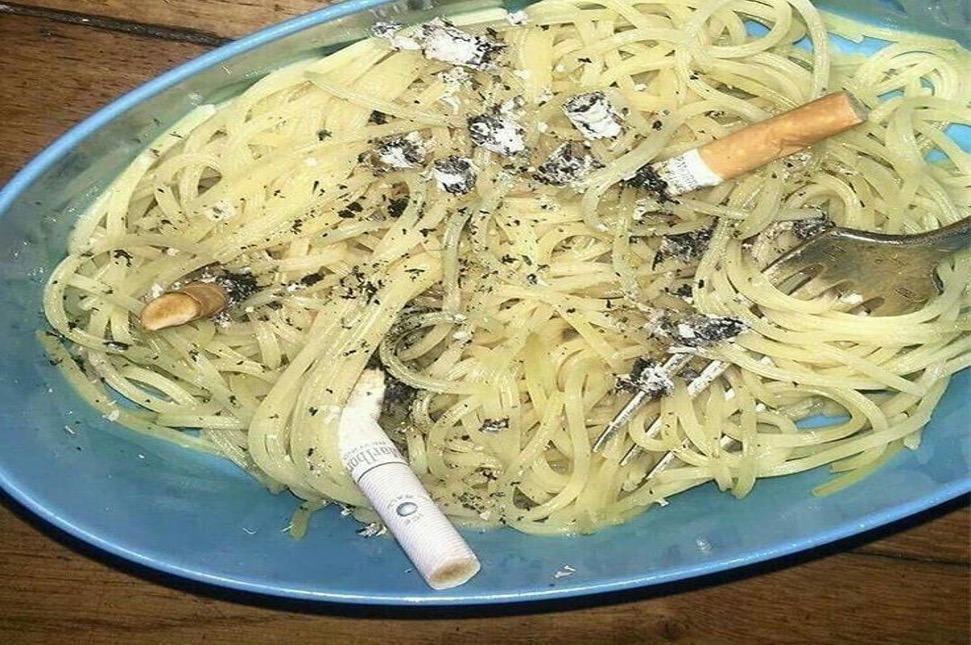
The cafe was permanently closed on Tuesday following an emergency visit by environmental health inspectors. The action was triggered by a patron who reported receiving a plate of plain spaghetti that appeared to have served double duty as an active communal ashtray.
According to official council reports, the dish presented to inspectors featured standard egg pasta liberally garnished with coarse cigarette ash, burnt filter stubs, and a metal fork stuck directly into the centre. Environmental officers deemed the dish “a thoroughly unacceptable dish even by Ipswich standards.”
Brown sauce
Owner Bob Prince, 58, firmly rejected the allegations, claiming the dish was never part of the cafe’s official menu. Speaking outside the shuttered venue, Mr Prince alleged a campaign of sabotage organized by Trish Brown, owner of Trish’s Cafe further down the high street.
“That isn’t my ash, and those aren’t my butts,” Mr Prince told reporters. “We don’t even stock that brand of filter. This has Trish written all over it. She’s been trying to corner the town’s low-cost grub market for years, and now she’s planted a Marlboro in my pasta.”
Ms Brown denied the accusations, calling the claim “utterly baseless” while noting that her establishment is ‘smoke-free… except in the kitchen’.
Regular patrons expressed quiet disappointment at the closure. Local resident Arthur Pendelton, 67, noted that while the cuisine was unpredictable, the atmosphere would be missed. “It was the only place in town where you could get a mug of tea so clear you could see the bottom of the mug,” he said.
Binface Binned As Farage Crushes Comedy Candidate In Clacton.
By Our Political Correspondent: Polly Ticks
CLACTON-ON-SEA – Count Binface was facing an uncertain future today after being comprehensively defeated in the Clacton-on-Sea by-election by Reform UK leader Nigel Farage.
Farage secured 22,239 votes, more than twice the 9,455 votes obtained by his nearest rival, the silver-headed political comedian better known to the public as Count Binface. Binface nevertheless finished second in a contest featuring a record 34 candidates, making him by some distance Britain’s most successful losing candidate wearing a rubbish receptacle on his head.
Binface, real name Jonathan Harvey, is an experienced comedy writer and performer whose television credits include The Thick Of It and Have I Got News For You. He has tried to build a political career challenging right-wing politicians, earning him the reputation of being a Government-approved left-wing establishment stooge.
However, Friday’s result has raised fears that the Count Binface brand may now have reached the point where he joke is on him.
Left Outside
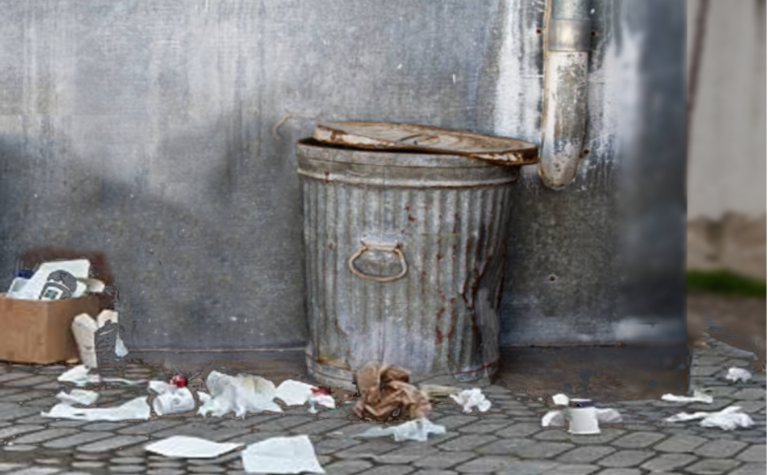
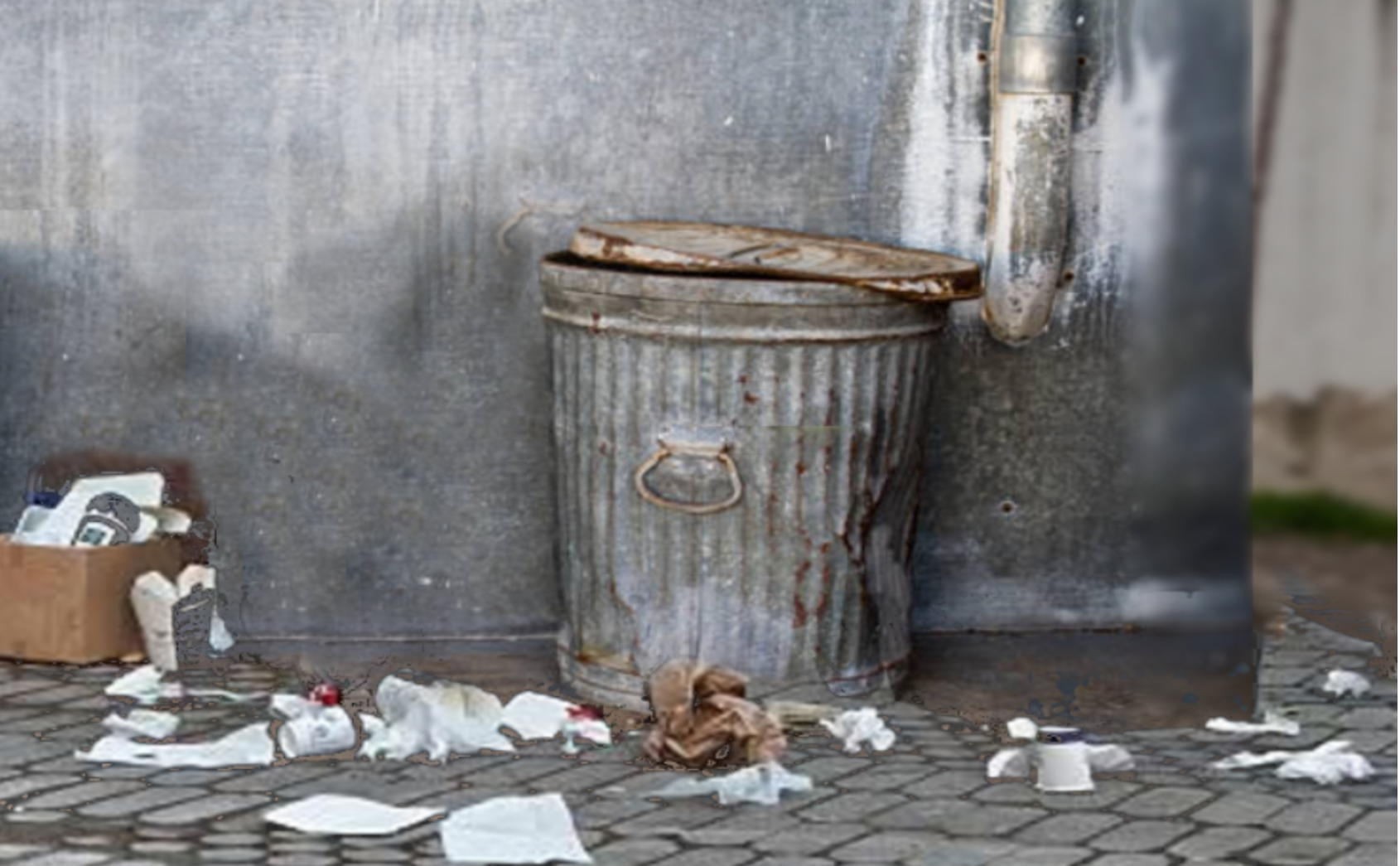
The candidate was last spotted sitting quietly in an alleyway outside the polling station, among several other bins and a quantity of discarded rubbish. Witnesses said he appeared forlorn.
“He just seemed to be staring into the middle distance,” said one observer. “At one point he looked at the other bins as though wondering whether they had better career prospects.”
Sources close to Binface said he was also contemplating whether his political reputation is permanently “in the gutter“.
As darkness fell, the candidate remained beside the bins, apparently waiting for someone to collect him.
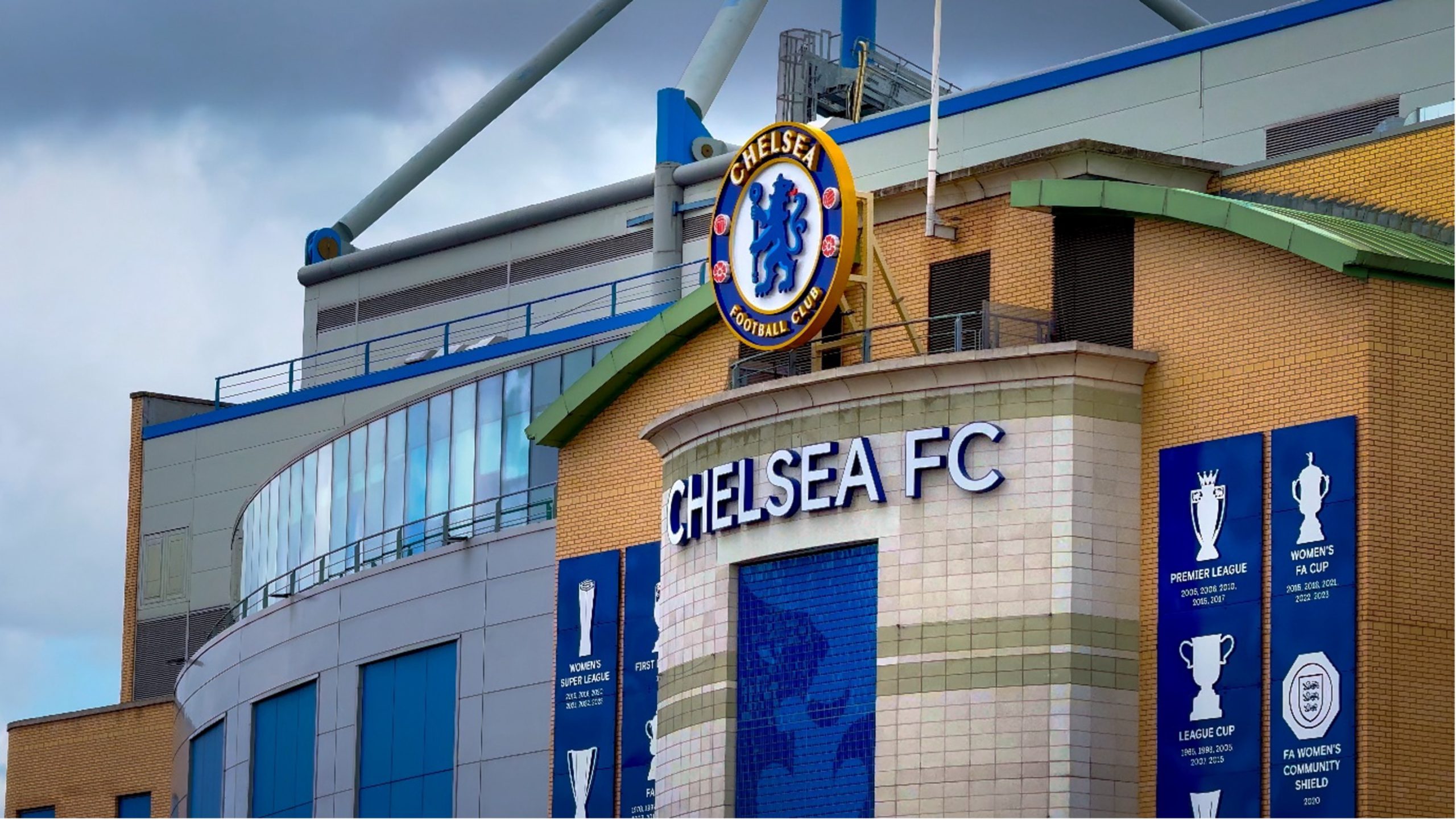
Fulham and Chelsea meet again this season with barely a mile and a half separating their two grounds, a fixture that has quietly built one of English football’s longer running local rivalries. Despite the geographical closeness, the two clubs have not always been regular sparring partners in the top flight. Anyone checking Fulham vs Chelsea odds for this west London derby is watching two clubs whose history is more closely linked than most supporters realise.
The rivalry’s roots go back further than either club’s move to the top flight, and its story has unfolded in fits and starts rather than a smooth, continuous history.
Origins born from a stadium disagreement
Chelsea’s very existence owes something to Fulham. In 1904, businessman Gus Mears approached Fulham chairman Henry Norris about moving the club to a new ground on the Fulham Road that Mears had acquired.
Norris turned the offer down, and Mears responded by founding his own club to play there instead, creating Chelsea Football Club. The two grounds, Craven Cottage and Stamford Bridge, have sat barely a mile and a half apart ever since.
The rivalry’s early decades
The clubs first met in December 1910, when Fulham won 1-0 at Craven Cottage in the Second Division. Chelsea quickly established themselves as the stronger side, though the two clubs’ fortunes rarely lined up for long, meeting in the First Division for the first time only in 1949 and then going almost 35 years without a top flight meeting after Fulham’s relegation in 1968. Their first Premier League derby did not arrive until September 2001, a 1-1 draw at Stamford Bridge that marked Fulham’s return to the top flight.
Famous derby clashes
One of the most memorable meetings came on Boxing Day 2005, when Chelsea raced into a 2-0 lead before Fulham fought back to level the scores, only for Hernan Crespo to snatch a late winner for the home side.
For those tracking Premier League betting odds around derby fixtures, that kind of late drama has been a recurring theme whenever these two have met, even during the periods when the gap in quality between them has been at its widest.
Chelsea’s period of derby dominance
Chelsea have won the fixture far more often than Fulham across their history, with over 50 wins to Fulham’s 14 and 27 draws in more than 90 competitive meetings. The Abramovich era produced a lengthy unbeaten run for Chelsea in the derby, stretching across more than a decade, before Fulham’s improved form under Marco Silva finally began to close that gap in more recent seasons.
How both sides look this season
Chelsea head into this fixture under new manager Xabi Alonso, adjusting to life without European football for the first time in years after finishing outside the continental places last season. Fulham, meanwhile, are similarly navigating a managerial change of their own following Silva’s summer departure for Benfica, with Alvaro Arbeloa now tasked with keeping the club clear of the relegation trouble that threatened them for parts of last season.
Both clubs arrive at this fixture in periods of transition, giving this year’s derby an unusually open feel compared with some of their recent meetings, whatever the head-to-head record might suggest on paper.
Wrapped Tall Statue of Former PM Raises Eyebrows at Heathrow.
By Our Political Correspondent: Polly Ticks
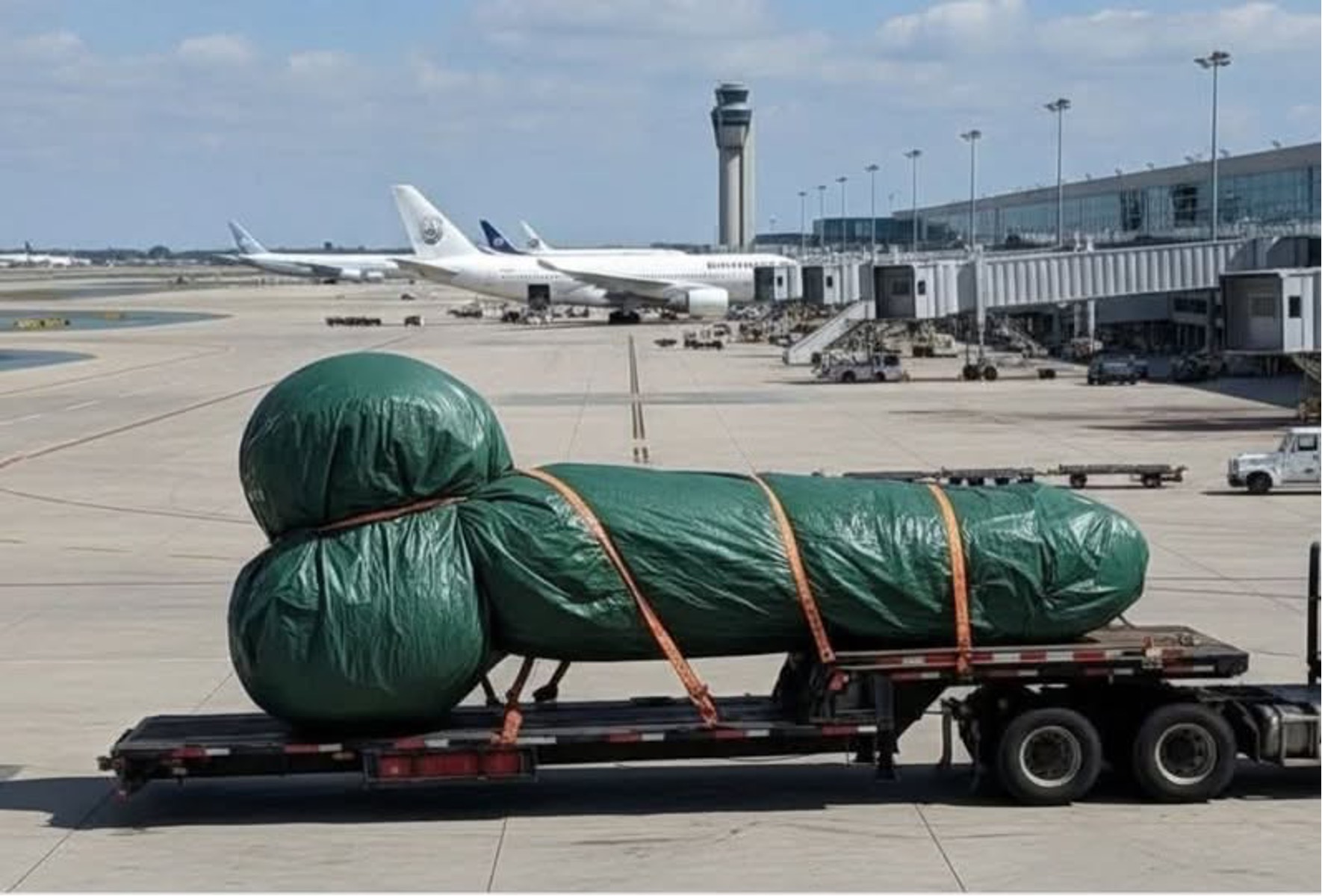
LONDON — A 30-foot bronze statue of Prime Minister Sir Keir Starmer arrived at Heathrow Airport on Tuesday, delivered via an American Airlines cargo flight as a diplomatic gift from President Donald Trump.
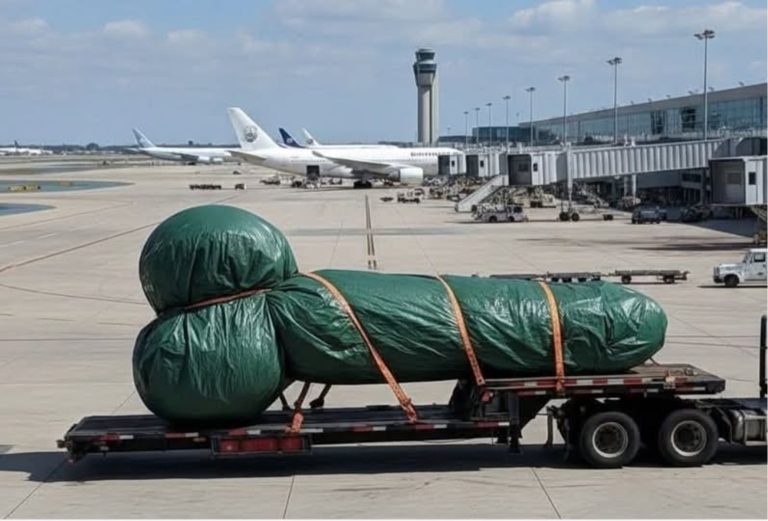
The monument, fully encased in a heavy green tarpaulin, is scheduled for installation on the Fourth Plinth in Trafalgar Square to coincide with the return of Parliament this September.
Upon its unloading on the tarmac, observers noted the remarkably distinctive outline of the wrapped artwork. The contours of the shrouded cargo—consisting of a long, rigid shaft resting flush against two large, rounded masses at the base—drew immediate attention for its striking resemblance to giant male genitalia. Airport workers and bystanders paused as the trailer was towed past Terminal 5, with several onlookers taking photos of the unusually shaped delivery.
Statue of liberties
A transport liaison officer quickly addressed the visual ambiguity, explaining that the statue’s geometry is entirely deliberate and biographical. The artwork depicts Sir Keir in a disciplined, upright stance, positioned directly behind two large bronze footballs resting at his feet—a nod to his well-documented passion for playing Sunday league football.
“Once the protective covering is removed in Trafalgar Square, the public will clearly see the Prime Minister standing proudly beside two footballs,” explained a spokesperson for the cultural exchange task force. “The combination of the spherical sports equipment at the base and the tall, straight posture of the Prime Minister creates a unified structure that, when tightly wrapped in plastic, unfortunately creates a suggestive optical illusion.”
The gift is intended to celebrate transatlantic solidarity. City officials confirmed that installation works will proceed as planned, with the monumental bronze scheduled to be unveiled during an official ceremony early next month.