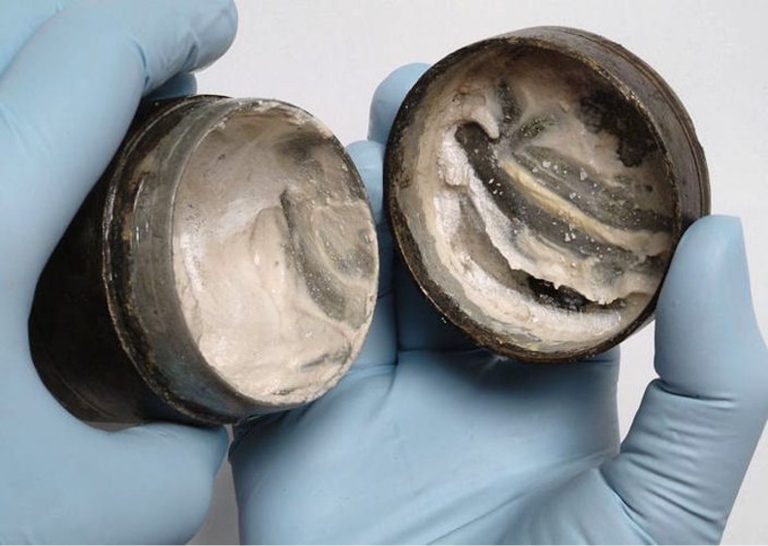
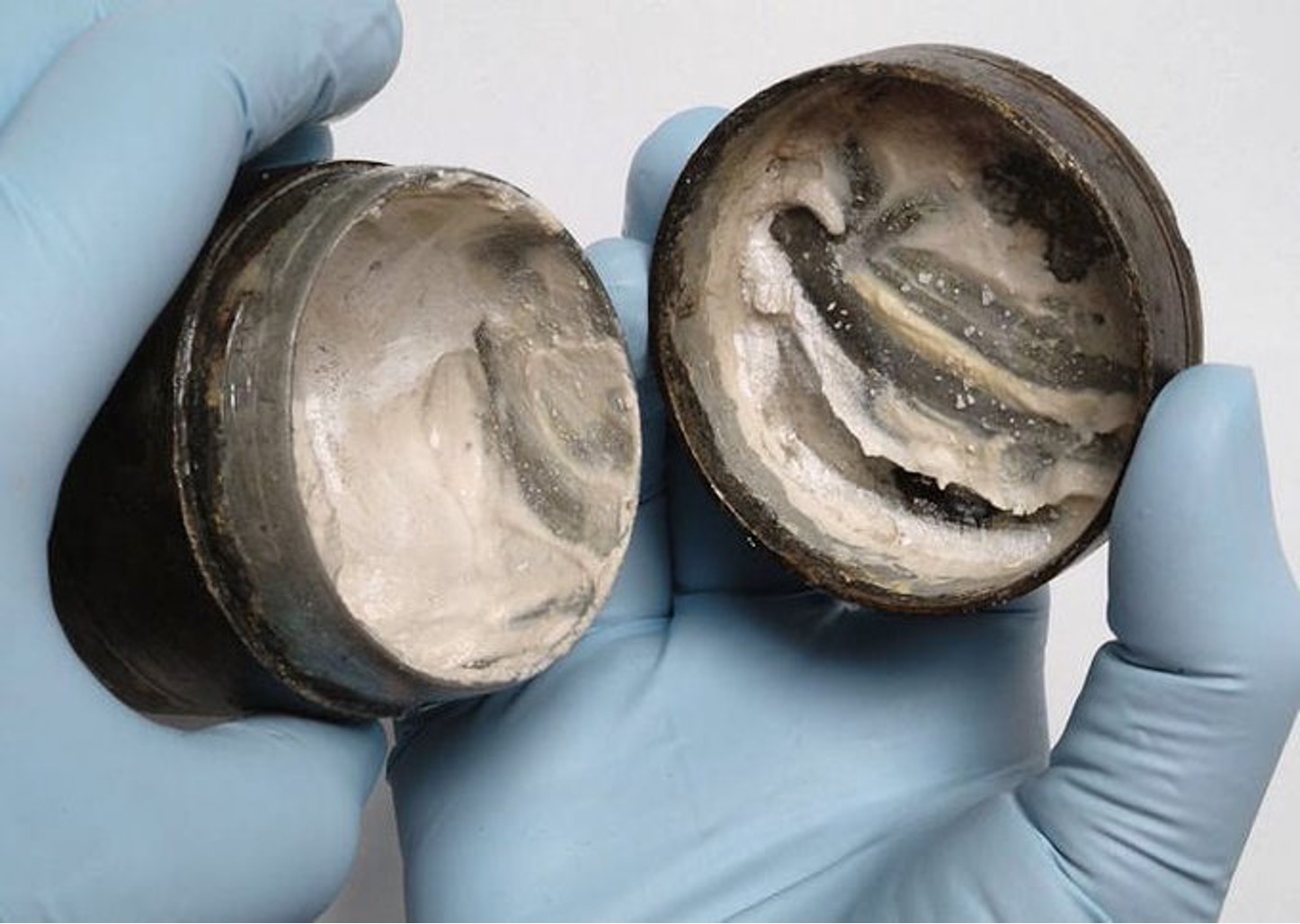
BUXHALL, SUFFOLK – A 2,000-year-old ancient container of what can only be described as Roman Vaseline has been found in a hole in a field near Buxhall in Suffolk.
By Our Norfolk Reporter: Ian Bred
The ancient metal container, replete with visible finger marks, reveals that Romans were ahead of their time in the world of skincare. Composed of lead and an early form of petroleum jelly, this find sheds new light on ancient beauty regimes.
Inspired by this discovery, intrepid researchers at Smethwick University concocted their own version of the Roman cream, following the ancient recipe. When they applied the waxy substance to their skin, it morphed into a yellowish layer with a smooth, gloopy texture. This delightful transformation was thanks to starch, a trusty ingredient still beloved by modern cosmetic makers.
Professor Richard Gardenshed, a leading expert on ancient skincare at Smethwick University, explained, “Along with anal sex, white face paint was all the rage in Roman times, typically deriving its ghostly hue from a lead compound. A tin compound from Cornwall was also a popular and readily available alternative.” Clearly, the Romans had a penchant for pallor.
Gently does it
Today, petroleum jelly, or ‘Vaseline,’ serves myriad purposes, from soothing dry skin and healing minor injuries to treating diaper rash and let’s face it – acting as a lubricant for anal penetration. Yet, the Romans’ infatuation with lead didn’t stop at cosmetics. Lead was the metal of choice for cups, plates, coins, pipes, and even birth control—a testament to their all-in approach to heavy metal usage.
Remarkably, scientists have discovered that ancient Roman tap water boasted lead levels up to 100 times higher than local spring water. This has fueled some historians’ theories that lead poisoning might have contributed to the fall of the Roman Empire.
In the end, while the Romans might have boasted glowing skin (albeit with a ghastly pallor), their love affair with bum sex and lead could have been their undoing. But hey, at least they looked fabulous and had a good time while it lasted.
PARK LANE, LONDON -In a move described by insiders as “TripAdvisor meets Border Force”. The Home Office has reportedly hired television’s Hotel Inspector, Alex Polizzi. Who will kit out dozens of hotels earmarked for accommodating an anticipated 10,000 cross-channel boat migrants over the next year.
By Our Security Correspondent: Ben Twarters
Polizzi, famous for her no-nonsense critiques and fondness for plumping cushions with military precision. She has been tasked with transforming Britain’s hastily repurposed budget lodgings into “welcoming, functional sanctuaries with a hint of boutique charm. Even if they smell faintly of damp carpet, darling.”
A leaked memo suggests upgrades will include Egyptian cotton sheets (“or at least polyester that looks expensive”). Tasteful yet wipe-clean décor, and the installation of complimentary kettles that “will definitely work, most of the time.” Shower pressure is to be tested using Polizzi’s famed “one-eyebrow lift” method — a silent but devastating verdict on underperforming plumbing.
Taking over the asylum
The scheme, dubbed Operation Turn-Down Service. It will be rolled out across a network of two- and three-star hotels from Dover to Dundee. A Home Office spokesperson insisted the project was not about luxury but about “providing humane, dignified accommodation — and maybe the odd scatter cushion.”
Critics argue that sprucing up hotels for migrants sends “the wrong message,” but Polizzi countered during a site visit in Hull: “A clean bathroom and a working lightbulb aren’t decadence — they’re civilisation.”
The first Polizzi-approved property is due to open next month in Folkestone. She has complete with neutral wall tones, a breakfast buffet that “doesn’t induce regret,” and signage in multiple languages advising guests how to operate British shower taps.
Polizzi has promised the Home Office she will not rest until “every single guest feels like they’ve stepped into a three-star dream, even if they arrived by dinghy.”
Netflix reboots Peckham’s finest with high-speed chases and a go-faster Reliant.
By Our Entertainment Editor: Arthur Pint
PECKHAM, LONDON – Netflix has officially acquired the Only Fools and Horses franchise. The streaming giant announced today that the grit of South London will be traded for the gloss of Bay City in a total reimagining of the Trotter legacy, styled strictly in the mould of the 1970s cult classic Starsky & Hutch.
The centerpiece of this “bold pivot” is a complete overhaul of the Trotter Independent Traders’ iconic 1967 Reliant Regal. Gone is the “dirty” yellow paint and the rusted “Tax in Post” sticker. In its place, Netflix producers have unveiled a vibrant “Victory Red” finish featuring the unmistakable white “Vector” go-faster stripe.
Plonker & Del Boy
“We believe the missing ingredient in the original Peckham narrative was a high-speed, tire-shredding car chase,” said a Netflix spokesperson while wearing aviator sunglasses indoors. “By applying the Gran Torino aesthetic to a three-wheeled fiberglass micro-van, we are signaling to our audience that Del Boy is no longer just selling hooky watches—he’s sliding over the hood of a vehicle that has a 45% chance of tipping over during a sharp left turn.”
Netflix reboot
The series, reportedly titled Plonker & Del Boy, will follow the hapless brothers as they navigate the seedy underworld of the Nelson Mandela House estate, but with significantly more slow-motion explosions and feathered hair. Scripts suggest that instead of falling through a bar flap, Del Boy will now perform tactical rolls into illicit deals involving “pre-loved” deep-fat fryers.
While fans have expressed concerns regarding the Reliant’s 700cc engine’s ability to outrun anything faster than a briskly walking pigeon, Netflix remains confident. “It’s about the vibe,” the studio confirmed. “Peckham is ready for its close-up, provided that close-up involves a lot of burning rubber and synthetic denim.”
Rock legends Def Leppard bid for British Olympic relay glory.
By Our Entertainment Editor: Arthur Pint
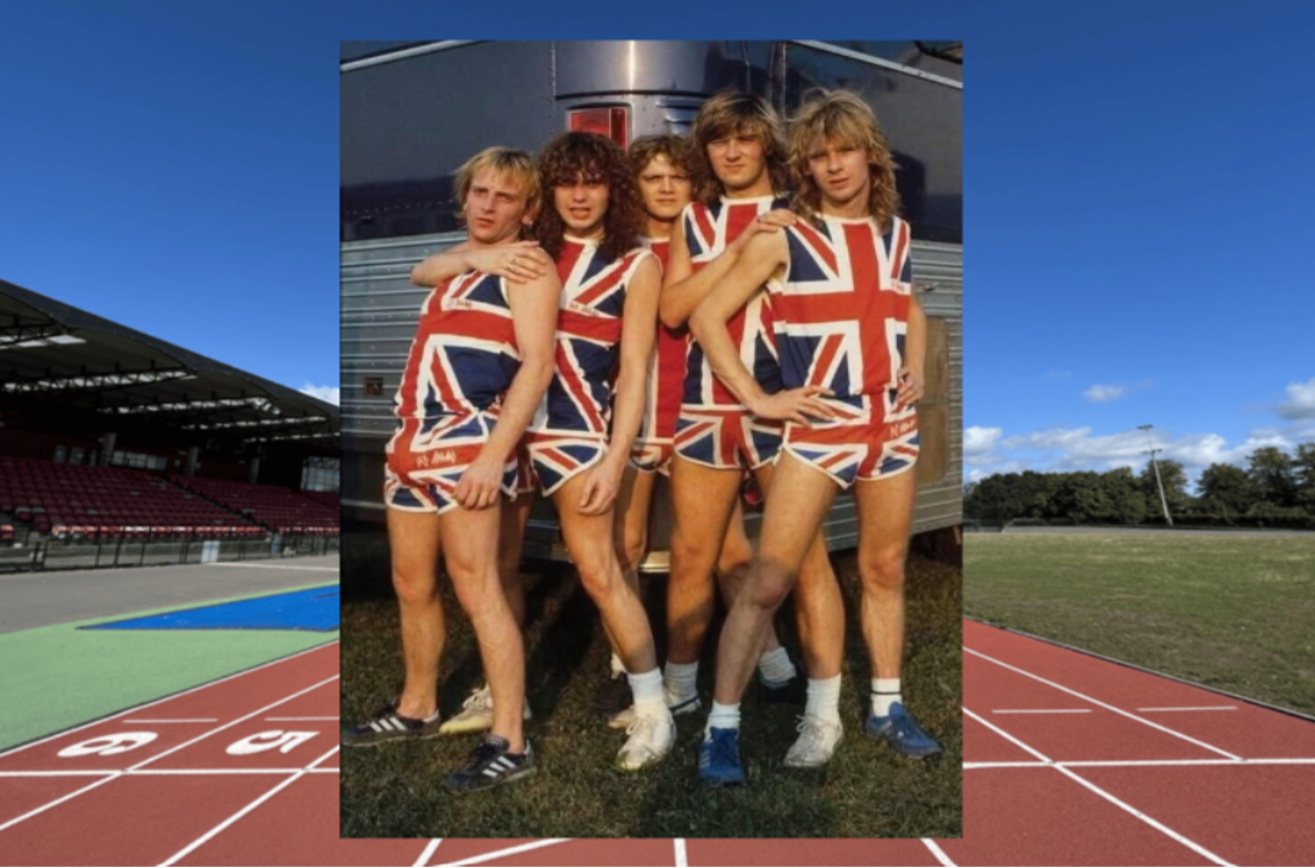
SHEFFIELD — Rock legends Def Leppard have formally petitioned to represent Team GB as the men’s 4x100m relay squad at the next Olympic Games.
Old is Gold
The band – Rock legends, whose combined age of 328 roughly equals the total historical timeline of the modern Olympics, insists their bid is legitimate. Frontman Joe Elliott, 66, claims the move is a natural progression from stadium rock. “We’ve spent forty years running around massive stages,” Elliott told reporters while stretching in a pair of Union Jack leather trousers. “Phil Collen has 0% body fat. He’s basically a sprinter who accidentally learned guitar.”
The proposed lineup sees guitarist Collen running the opening leg, taking advantage of his shirtless aerodynamics to cut drag. Bassist Rick Savage will handle the second leg, followed by guitarist Vivian Campbell on the bend. The strategy hinges on drummer Rick Allen running the anchor leg.
“It’s tactical genius,” explained Collen, applying a third layer of bronzer. “Rick has one arm. In a relay, the biggest risk is the baton handover. By putting Rick on the anchor leg, he only has to receive the baton. He doesn’t have to pass it to anyone. We have mathematically eliminated 25% of the failure points that usually doom the British team.”
Last legs
To prepare, the band – Rock Legends has reportedly replaced their tour bus with a high-performance centrifuge and is training at a private track in Sheffield, where the starting pistol has been replaced by a pyrotechnic explosion. Their training regime, titled “Hysteria on the Track,” involves sprinting 100 meters every time they hear the opening riff of “Animal.”
British Athletics issued a terse statement regarding the bid: “While we appreciate the enthusiasm of Mr. Elliott and his colleagues, Olympic selection requires qualifying times, not platinum albums. However, given our recent history of dropping batons, we are not ruling anything out.”
When asked what happens if they don’t qualify, Elliott remained defiant. “It’s better to burn out than fade away,” he said, before pulling a hamstring attempting a crouch start. “Besides, if we lose, we’ll just blame the sound guy.”
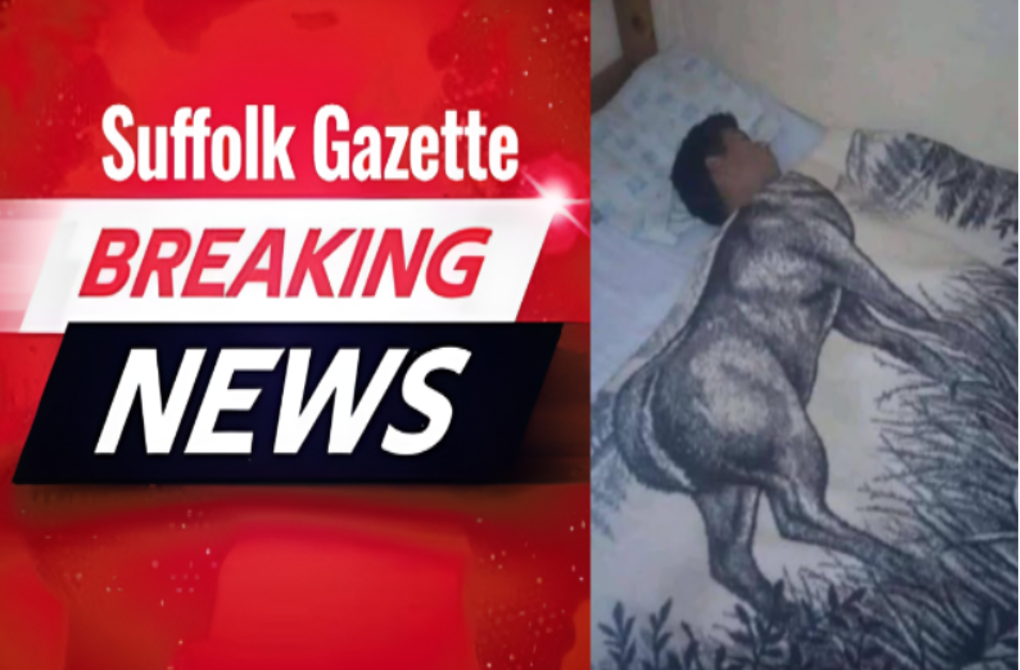
Centaur napping in Łódź bedroom sparks social and scientific frenzy.
By Our Security Correspondent: Ben Twarters
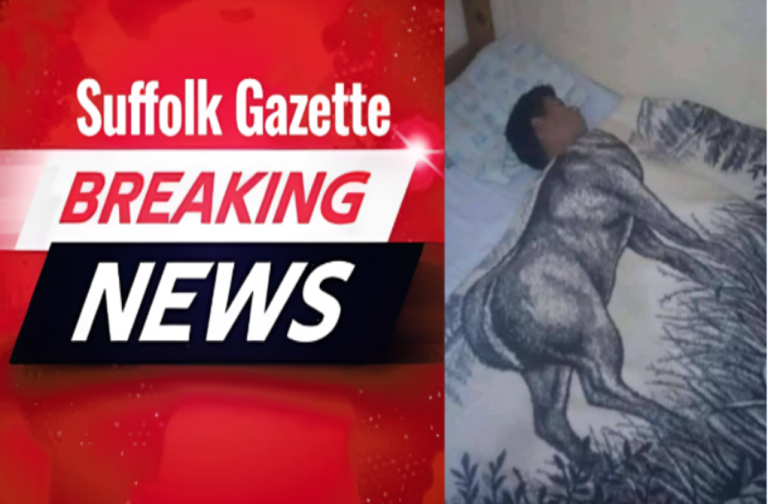
ŁÓDŹ, POLAND — A centaur has been photographed napping in a private Łódź bedroom. The image, released early this morning, shows the creature’s human head resting on a pillow while its equine lower body is tucked beneath a blanket featuring an intricate oak-leaf pattern.
“This is a first for modern Poland,” said Dr. Mirosław Kowalski, head of the Polish Institute for Mythical Studies. “Previous centaur reports were invariably outdoors, running wild or battling mythical beasts. To find one napping in suburban comfort is truly remarkable. Preliminary surveys suggest a 92% chance it prefers domesticated life over the forest.”
Neighbours have reported a mix of curiosity and mild envy. “I woke up to gentle snorts and a rhythmic thump-thump-thump,” said Katarzyna Nowak, a next-door resident. “At first I thought it was the radiator, but no—this centaur is clearly enjoying a well-earned sleep. Honestly, I wish I could sleep that soundly.”
Horsing around
Authorities have urged citizens to remain calm. The Łódź Mayor’s office released a statement: “The centaur is considered a peaceful resident and is fully compliant with local ordinances. It recycles, keeps its hooves tidy, and is rumoured to enjoy reading Polish crime novels. Residents are reminded not to disturb nap times, which are currently scheduled from 1 p.m. to 4 p.m. daily.”
Social media reactions have been overwhelmingly positive, with one viral poll suggesting 78% of Łódź citizens would “invite the centaur for coffee” if given the chance. Local businesses are already speculating on centaur-friendly amenities, including extended stables in apartment complexes and a “hoof-friendly” public transport system.
Securing the future
Meanwhile, cryptozoologists have announced plans to launch the first indoor observational study of centaur behavior, tentatively titled Project Siesta, citing unprecedented opportunities to document napping posture, blanket preferences, and pillow alignment.
For now, the centaur sleeps on, a living reminder that sometimes, myth isn’t just a bedtime story—it’s your new neighbor.
If you find yourself arguing with automated phone menus or pretending not to hear the doorbell when the delivery driver arrives, you are not alone. You crave human interaction, just not the kind that requires scheduling, small talk or being placed on hold for twelve minutes. Somewhere between total isolation and forced conversation sits a growing preference for controlled, low-effort social experiences. That is exactly why live dealer tables are finding such a loyal audience.
Modern digital life often feels like being trapped inside a machine. Every task demands logins, passwords, verification codes and captchas that make you question your eyesight.
You may miss the warmth of real people, but the idea of joining a conference call about billing issues is enough to ruin your afternoon. For people stuck in this modern contradiction, live dealer tables offer something refreshingly different.
They combine the efficiency of online platforms with the unpredictability and presence of real humans, without asking too much in return.
Escaping the Infinite Loop of Robotic Silence
Life today can feel strangely quiet despite being constantly connected. You spend hours clicking buttons, watching progress bars and interacting with systems that never respond emotionally. Deep down, there is a longing for something more human. Live dealer tables answer that need by reintroducing personality into digital entertainment.
Imagine sitting comfortably on your sofa with a drink, but instead of staring at flat graphics or watching numbers change, you are greeted by a professional dealer looking straight into the camera.
This is not a prerecorded sequence or a looping animation. It is a real person working in real time, reacting to outcomes, acknowledging wins and sympathising when luck goes missing.
The experience feels alive in a way standard online play does not. You get the buzz of a casino environment without dealing with crowds, dress codes or overpriced snacks.
Why Real People Make All the Difference
The appeal of live games goes beyond novelty. Many players are simply tired of playing against invisible systems that offer no feedback beyond numbers on a screen.
Seeing the cards shuffled or the wheel spun in front of you creates a sense of authenticity that software struggles to replicate. Watching physical actions unfold builds trust, even if the outcome is still unpredictable.
There is also comfort in knowing that someone else is guiding the pace. The dealer sets the rhythm, keeps things moving and adds personality to what might otherwise feel repetitive. A bit of casual banter or a shared reaction to a surprising result can turn a solitary session into something more engaging. Without forcing conversation, live games allow you to feel connected without pressure.
Social Interaction Without Social Exhaustion
Traditional social outings can be draining. Getting ready, travelling, navigating crowds and making conversation all require energy. Live dealer tables remove those barriers. By choosing a live table, you are essentially inviting a trained host into your living room, minus the effort of hosting yourself.
Dealers are skilled at maintaining a welcoming atmosphere, even during quieter hours. They balance professionalism with warmth, keeping the experience enjoyable without being intrusive. This changes the entire tone of the play.
You are no longer just clicking through options in silence. You are participating in a shared experience that unfolds naturally, allowing you to feel part of something while remaining in full control of your environment.
Why Players Are Taking a Break From Algorithms
The rise of live games is not a coincidence. It reflects a broader fatigue with being treated like a data point. People want experiences that feel personal, even when they are mediated through a screen. The appeal becomes clear when you consider what live dealer tables offer:
You can interact with a real person rather than a silent system. Every action is visible, adding transparency and trust.
There is no travel involved, no weather to deal with and no time lost commuting. You remain in complete control of your comfort while someone else manages the mechanics. Watching skilled dealers handle cards, wheels and equipment adds an extra layer of appreciation to each session.
Together, these elements show that staying home does not have to mean disconnecting. It is possible to enjoy social interaction without committing to full participation. You get the best of both worlds, even if the dealer briefly catches a glimpse of your less-than-perfect kitchen in the background.
A Digital Future That Feels Less Cold
Online entertainment is slowly shifting away from sterile interfaces toward experiences that feel warmer and more human. Successful platforms make users feel welcome rather than processed. Live dealer tables are at the centre of this change, proving that people still matter, even in digital spaces.
The future of online play is unlikely to be defined by more automation or quieter interfaces. Instead, it will focus on shared moments, visible reactions and real-time tension as outcomes unfold. Live games capture that balance perfectly. They offer laughter, connection and unpredictability without demanding more social energy than you are willing to give.
In a world increasingly run by algorithms, choosing live dealer tables is a simple way to keep human presence alive. You remain safely behind your screen, but the experience feels anything but lifeless.
There is a reason certain games never disappear, even as platforms change and new formats arrive every year. The best ones feel simple on the surface, but they create just enough tension, rhythm, and decision making to keep people engaged. Some are pure spectacle. Some reward patience. Some are basically social games with chips as conversation.
This guide breaks down the main game types, how they actually play, and what makes each one appealing. No fluff, just the essentials you would want to know before sitting down to play.
Slot games: fast feedback, endless variety
Slots are built around pace. You make a small choice, the game responds immediately, and you either hit something or you do not. That quick loop is the point. It is also why themes matter more here than anywhere else. A table game can survive on mechanics alone. A slot often wins people over with sound, animation, and a clear idea of what the “big moment” looks like.
Most modern slots revolve around a few common features:
Free spins, where the game turns up the volatility for a short burst
Multipliers, which make ordinary wins feel meaningful
Bonus picks, usually a simple selection mini game that changes the pace
Progressive jackpots, where a portion of wagers feeds a growing prize pool
If you enjoy variety and you like games that do not ask you to learn rules, slots are the obvious entry point. If you prefer control, they can feel like all noise and no agency. Both reactions are fair.
Roulette: theatre, superstition, and a clean ruleset
Roulette is popular because it is instantly legible. A wheel spins, a number lands, and the table tells you exactly what happened. The betting options look complicated at first, but they are really just different ways of choosing risk.
Broadly, you have:
Outside bets such as red or black, odd or even, high or low
Inside bets such as a single number, a split, a street, or a corner
Outside bets win more often but pay less. Inside bets win less often but feel dramatic when they land. That simple trade off is why roulette holds attention.
One thing many new players miss is how much the version matters. European wheels use a single zero, while some other versions include an extra pocket, which shifts the maths in the house’s favour. If you care about that edge, it is worth choosing your wheel deliberately rather than clicking the first table you see.
Blackjack: a card game that rewards calm decisions
Blackjack is the game people often graduate to when they want something interactive but not overwhelming. You are not trying to beat other players. You are trying to beat the dealer’s hand without going over 21. That makes it approachable, but also surprisingly deep.
The core choices are consistent:
Hit to take another card
Stand to keep what you have
Double to increase your stake for one extra card
Split when you have a pair and want to play two hands
The interesting part is that most situations have a best play, and you can learn it. That sense of learnable improvement is why blackjack has such a loyal following. People like feeling that they can get better over time, even if the cards still decide a lot.
Poker: skill, psychology, and a social game disguised as maths
Poker is really a family of games, but the big appeal is always the same. You are not playing the cards as much as you are playing the people. That changes everything. Bluffing, timing, and reading patterns matter. So does discipline. A good player is often the one who folds more, not the one who plays the most hands.
If you are new, the easiest way in is to focus on:
starting hand selection
position, meaning how many people act after you
the idea of telling a consistent story with your bets
Even at low stakes, poker can be intense because every decision carries a bit of ego with it. That is also why it can be such a satisfying game to learn.
Baccarat: minimal decisions, maximum ritual
Baccarat has a reputation as a high end game, but mechanically it is one of the simplest. In most versions, you are not making complex choices. You are choosing between outcomes. The hands follow fixed rules.
The appeal is the ritual. The slow reveal of cards, the tiny margins, the sense that you are watching something formal unfold. If roulette is theatre, baccarat is ceremony.
Live dealer games: when people want the room, not just the rules
A lot of players do not just want a game. They want the feeling of being at a table with other humans. That is why live dealer formats have grown so quickly. The games themselves might be familiar, but the atmosphere changes when there is a real dealer, a real wheel, real cards, and a chat box full of people reacting in real time.
It also changes the tempo. You cannot spin ten times in a minute. You have to wait. For some, that makes the experience more enjoyable and less frantic.
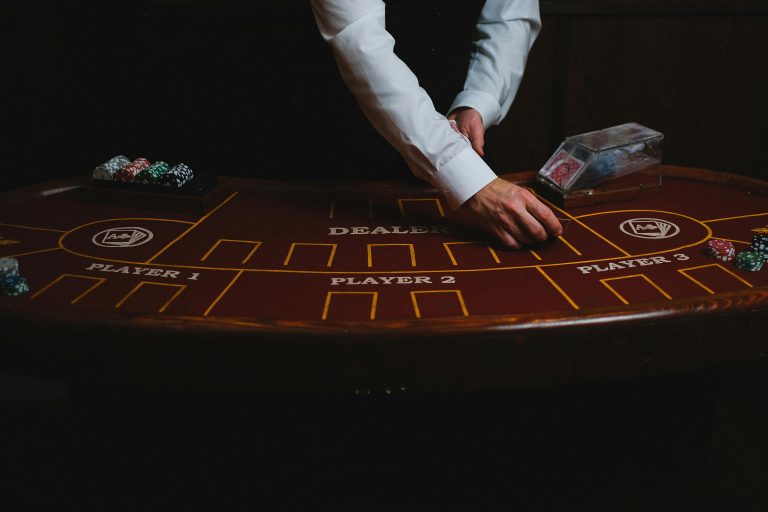
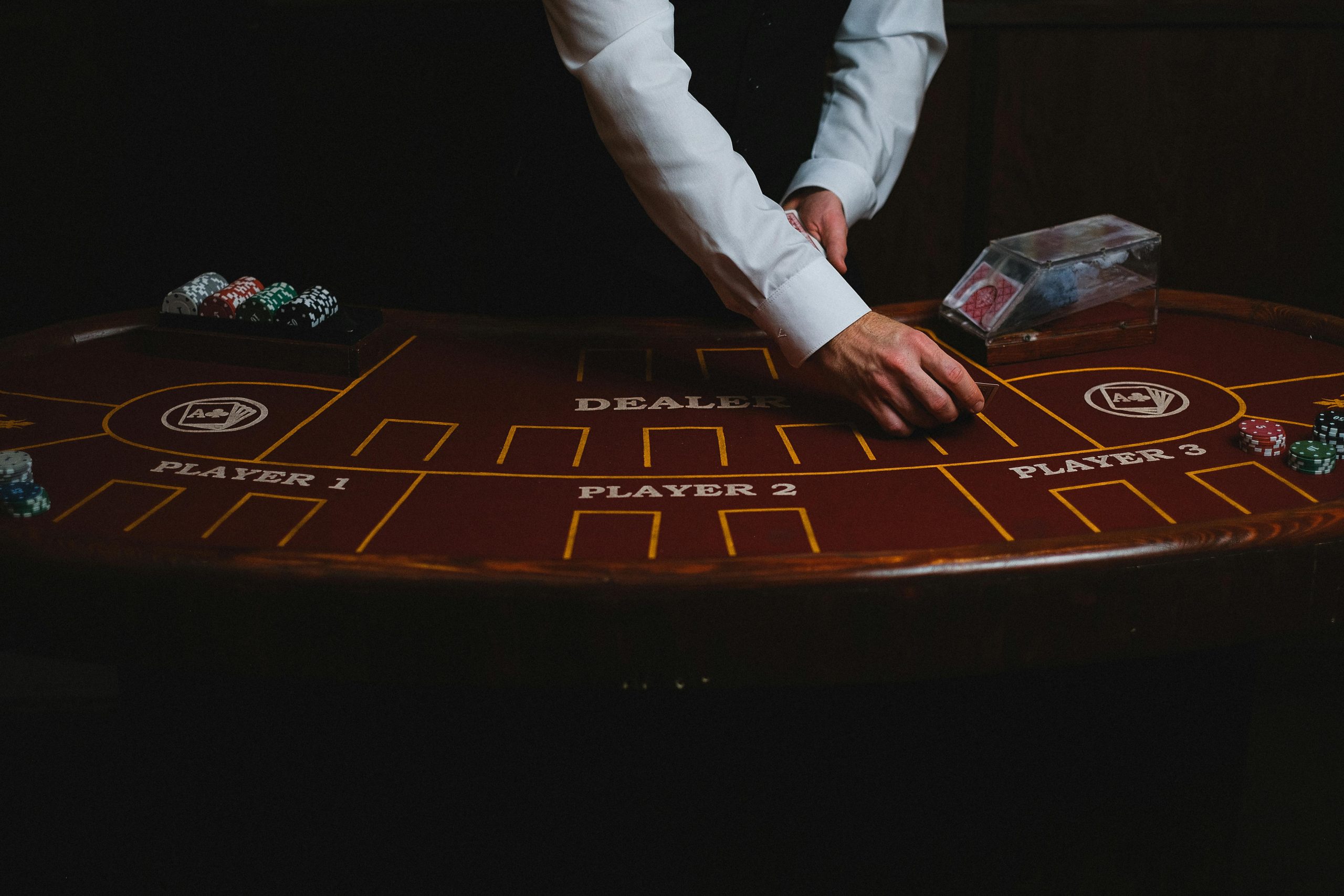
Live dealer tables are where an online casino actually feels most like a real room: you get the convenience of playing at home, but with the social rhythm of a shared table.
Game shows and hybrids: entertainment first, rules second
The newest category is the most obvious about what it is doing. These games lean into bright sets, presenters, random wheels, and short rounds. They are built for streaming attention spans. You do not need to understand deep rules. You just need to enjoy the reveal.
Some players love them because they feel like an event. Others bounce off them because they feel less like games and more like content. If you are curious, try them as a change of pace rather than a replacement for the classics.
Choosing what to play, honestly
If you are deciding where to start, it helps to match the game to the type of experience you want:
If you want quick, low effort play, try slots.
If you want a clean ruleset with lots of options, try roulette.
If you want decisions that you can learn and improve, try blackjack.
If you want competition and psychology, try poker.
If you want slow rhythm and ritual, try baccarat.
If you want a social vibe, try live dealer tables.
Whatever you pick, keep it fun and keep it bounded. The best sessions are the ones where you decide your limits first, then stick to them. That mindset protects the enjoyment, and it keeps the games in their proper place: entertainment.
Lace-covered No.10 toilet sparks outrage over luxury, taste, and taxpayer spending.
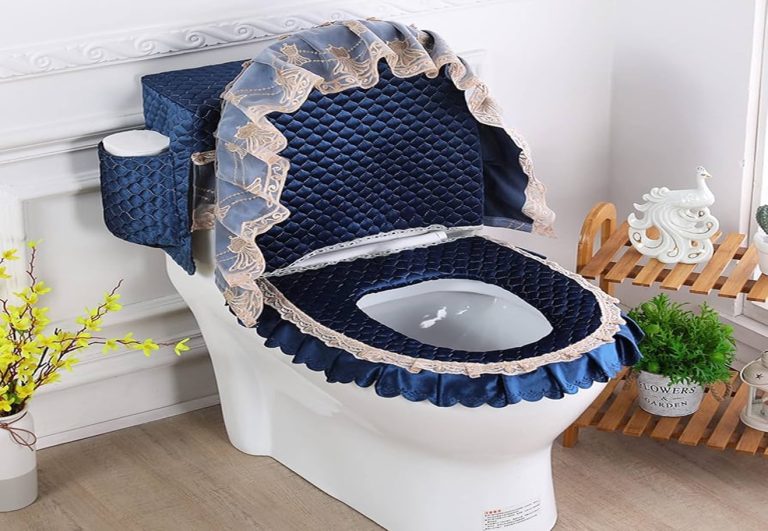
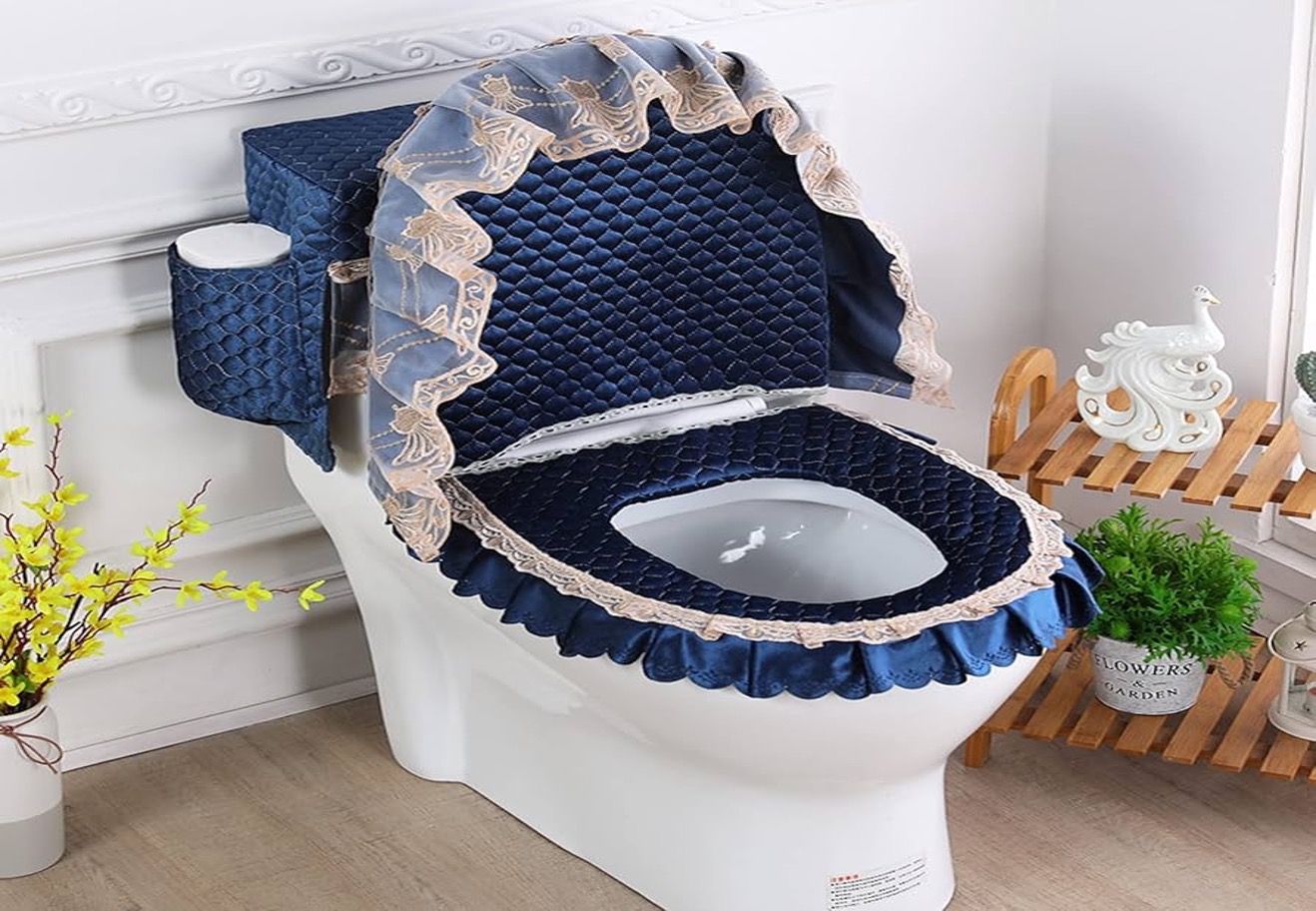
DOWNING ST, LONDON – A photograph circulating this week has sparked controversy after appearing to show a newly installed bathroom suite inside No.10 Downing Street, prompting criticism from MPs and taxpayers alike over what has been described as an “unnecessarily opulent” use of public funds.
The image, which Downing Street has neither confirmed nor denied, depicts a toilet lavishly dressed in layers of lace, ruffles, and sheer fabric, giving the suite the appearance of a decorative wedding display rather than a functional lavatory. The toilet seat, cistern, and surrounding fittings appear to be fully encased in frilled textiles, with matching net curtains completing what critics have called a “theatrical approach to sanitation.”
Flash flush
Opposition figures were quick to question the necessity of such embellishment during a period of economic pressure. One backbencher noted that while government belts were being tightened, “the Prime Minister’s bathroom appears to have been let out at the waist.” Treasury sources stressed that the expenditure was “within acceptable decorative limits,” though declined to specify what those limits might be.
Celebrity interior designer Lawrence Llewellyn-Bowen weighed in, describing the décor as “wedding cak chintz,” a phrase that was widely repeated within minutes. “It’s soft, it’s frothy, it’s aggressively romantic,” he said. “But for a seat of power, it does rather suggest the nation is being governed from behind a veil of net curtains.”
Supporters of the refurbishment argued that the design reflects “British tradition,” pointing out that lace has a long history in domestic interiors. A Downing Street insider claimed the look was intended to create “a calming environment for difficult decisions.”
Meanwhile, civil servants have reportedly been advised not to comment on the bathroom and to “use facilities as normal.” At the time of writing, the photograph continued to circulate online, prompting renewed debate about transparency, taste, and whether chintz has any place in the machinery of government.