Home Blog Page 11

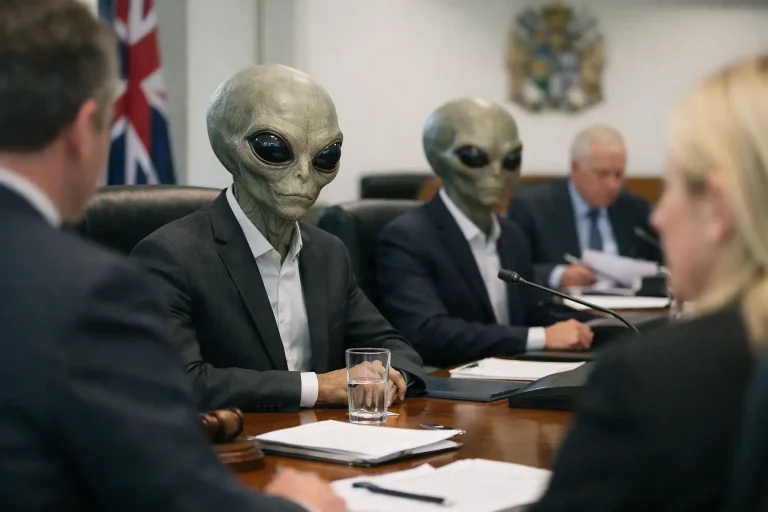
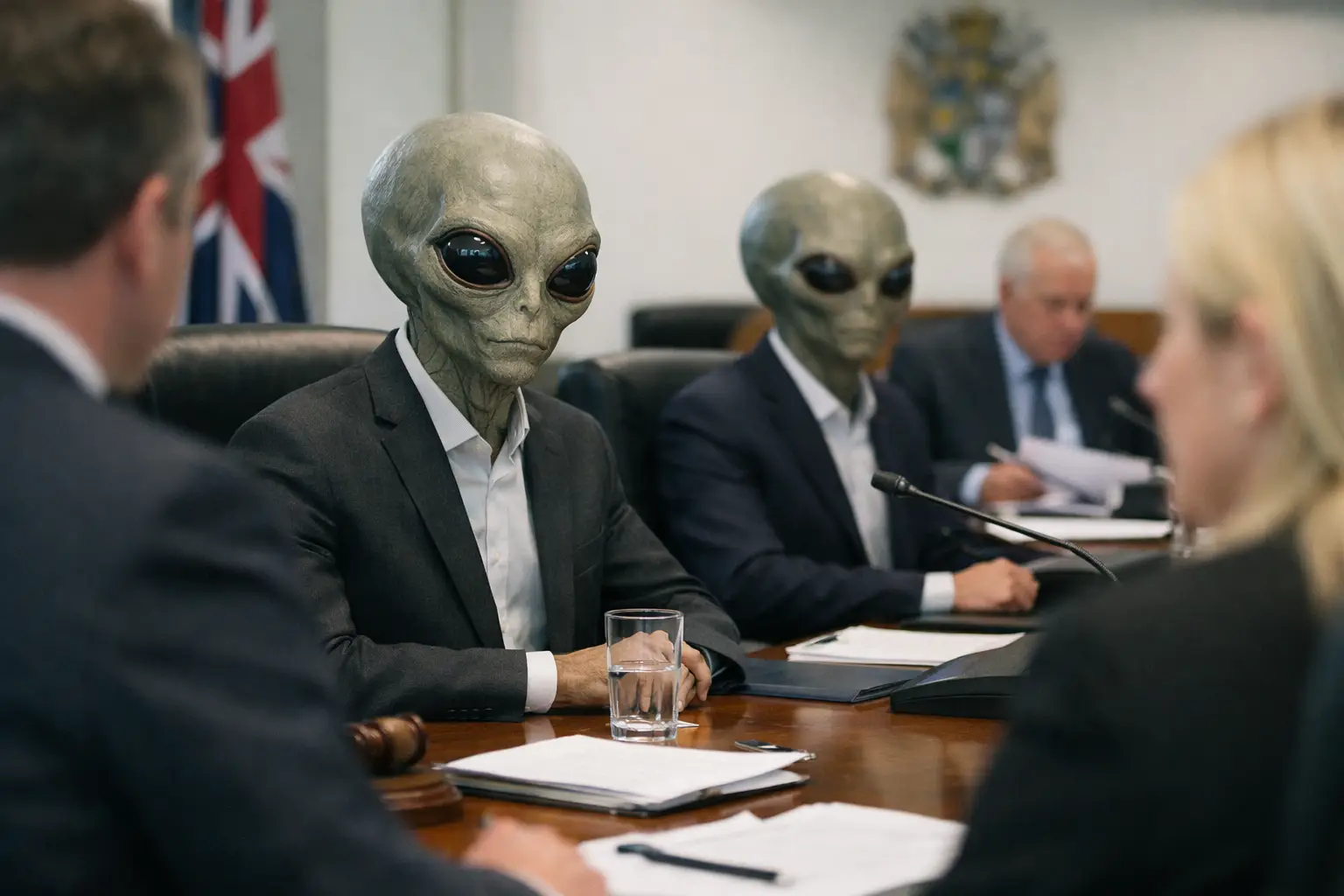
Declassified UFO Documents: Aliens Run Norfolk Council

0
Declassified UFO Documents: Aliens Run Norfolk Council

The claim that declassified ufo documents uk prove aliens run norfolk council has been described as “deeply troubling” by residents, chiefly because it would explain why the council website asks for a password that has not worked since 2009.

By Our Norfolk Reporter: Ian Bred

The documents name a covert group known as the North Norfolk Extraterrestrial Administrative Liaison Service, or NNEALS, which is precisely the sort of acronym a committee would approve after three meetings and a buffet lunch in Wymondham.

According to the files, the beings arrived in 1974, initially hoping to take over a more advanced civilisation. They landed in Norwich by mistake, attended a consultation on parking permits, and realised they had finally found their intellectual equals.

The declassified UFO documents and Norfolk Council

The most persuasive evidence is a photocopied memo from an unnamed civil servant, written in what experts have called “either alien glyphs or very poor Biro”. It refers to the council’s senior leadership team as “the six luminous ones” and notes that their annual strategic away day was held somewhere “beyond the ring road”.

A second document contains the minutes of an emergency meeting about bin collections. It records that Councillor Zorblax of the Fourth Nebula proposed fortnightly rubbish collection because “human household waste is a rich source of methane, batteries and unopened bags of salad”. The motion passed unanimously, apart from one councillor who had already left to judge a village scarecrow competition.

For years, locals have wondered why every major decision appears to take nine months, require a consultation, and end with a new roundabout. The files suggest this is not bureaucratic drift but an alien method of testing whether humans can retain hope while being redirected past a retail park for the third time.

One redacted page reportedly states: “Project Norfolk is proceeding as expected. The subjects will tolerate any administrative adjustment if offered a pothole hotline and a photograph of a councillor in a hi-vis jacket.”

Why did nobody spot them?

The answer, say fictional investigators, is painfully straightforward. Norfolk has always had a high tolerance for unusual visitors. A seven-foot visitor with glassy eyes, no discernible expression and an inability to answer direct questions is not necessarily an alien. He could be a planning officer explaining the local plan.

Besides, the alleged extraterrestrials made a conscious effort to blend in. They purchased sensible fleece jackets, learnt to say “fair enough” when presented with incomprehensible information, and acquired a detailed working knowledge of garden centres. One was nearly exposed after trying to pay for a sausage roll with a small, pulsating crystal, but staff at a petrol station near Dereham assumed it was a new loyalty-card scheme.

Their greatest disguise, however, was committee procedure. The papers claim that the aliens discovered human minds shut down after hearing the phrase “item 7b, appendix four”. By adopting this language, they could hold a meeting in broad daylight and leave participants unable to recall anything except a vague concern about drainage.

A former council insider, who asked not to be named because he is still waiting for a decision on his shed, told this publication: “I always suspected something was up. You’d see a fellow walk into County Hall looking like an insurance executive, then at quarter past five he’d sort of shimmer slightly and get into a silver Kia.”

The evidence is, regrettably, very Norfolk

The supposed files do not claim the aliens are plotting conquest in the usual Hollywood sense. There are no death rays, cattle abductions or giant spaceships hovering above Cromer pier, although the latter would improve the summer programme considerably.

Instead, the plan is described as a slow administrative annexation. Earth will be absorbed into the Galactic Federation through incremental changes to recycling guidance, signage and parish boundaries. By the time anyone notices, every household will be separating cardboard into five categories and referring to the moon as “the wider lunar service area”.

The documents identify four key objectives:

  • to install at least one inexplicable set of traffic lights on every route between Norwich and the coast;
  • to ensure all planning applications are viewed from a dimension in which houses do not need roads, schools or doctors’ surgeries;
  • to replace every public consultation answer with the phrase “your feedback is valued”; and
  • to harvest sufficient human frustration to power a spacecraft capable of reaching the A47 at rush hour.

It is difficult to dismiss this outright, given the volume of anecdotal evidence. One resident of Swaffham claims his wheelie bin was returned to the wrong address three times in one week, despite being clearly labelled. Another says he received a council tax letter addressed to “Occupant, Carbon-Based Unit”. A third has spent 18 months trying to report a broken streetlamp and now communicates only through sighing.

Norfolk Council has not commented directly on the allegations, mainly because it does not exist as one single council in the way people from outside the county often imagine. This technicality has only strengthened the conspiracy. If anything says sophisticated interplanetary misdirection, it is a confusing patchwork of district, borough, city, town and parish responsibilities.

A spokesman denies having tentacles

At a press conference held in a room with lighting that did nobody any favours, a council spokesman denied that senior officials were from another planet.

“We are proud to be an inclusive employer,” he said, blinking sideways. “Our workforce includes people from a broad range of backgrounds, postcodes and star systems. Any suggestion that decisions are taken by an unaccountable cosmic elite is categorically false, unless you mean the finance subcommittee.”

Asked whether he personally was human, the spokesman paused for 11 seconds, consulted a laminated flowchart, and replied: “I can confirm I meet all requirements under the relevant legislation.”

The press conference ended abruptly when a journalist asked why the council’s new logo resembled a flying saucer made from an abstract letter N. Officials insisted it represented “movement, partnership and a forward-facing vision”, which is exactly what a flying saucer would say.

The real danger is a meeting that never ends

For all the wild claims, the fake documents contain one warning that feels unsettlingly plausible. The aliens are apparently not interested in controlling Britain through fear. They simply want everyone to attend a virtual stakeholder workshop at 6.30pm on a Thursday, where they will be invited to place digital sticky notes beneath the heading “What does community mean to you?”

That is the true horror. Not little green men in County Hall, but a future in which they have mastered the British public sector so completely that even their invasion requires a communications strategy, equality impact assessment and a six-week period for representations.

Still, Norfolk residents need not panic. If an extraterrestrial administration really is operating locally, it will soon encounter the force that has humbled greater powers than it: a parish council meeting about a proposed bench. Until then, keep an eye on the skies, check your bin calendar, and never trust anyone who says a new bypass will be finished “shortly”.
The Hotel Inspector Refuses to Visit Suffolk’s Filthiest Room

The Hotel Inspector Refuses to Visit Suffolk’s Filthiest Room

Suffolk’s worst hotel thrives on filth, terrible reviews, and decay.

By Our Norfolk Reporter: Ian Bred

IPSWICH — The Park Hotel in Ipswich has officially secured its reputation as the least desirable accommodation in Suffolk, boasting an unprecedented negative 6.4 rating on Booking.com and a bleak three-black-dot average on TripAdvisor.

Proprietors Derek and Vivienne Baldock, who took over the establishment in 1987 with zero prior hospitality experience, have managed to preserve that total lack of expertise over nearly four decades. The conditions have grown so famously grim that TV’s Hotel Inspector, Alex Polizzi, reportedly refused to set foot on the premises, citing an unwillingness to compromise her basic standards.

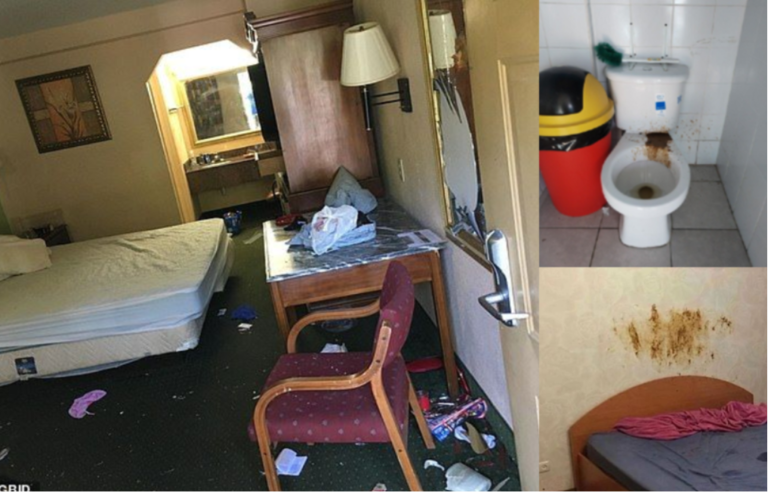
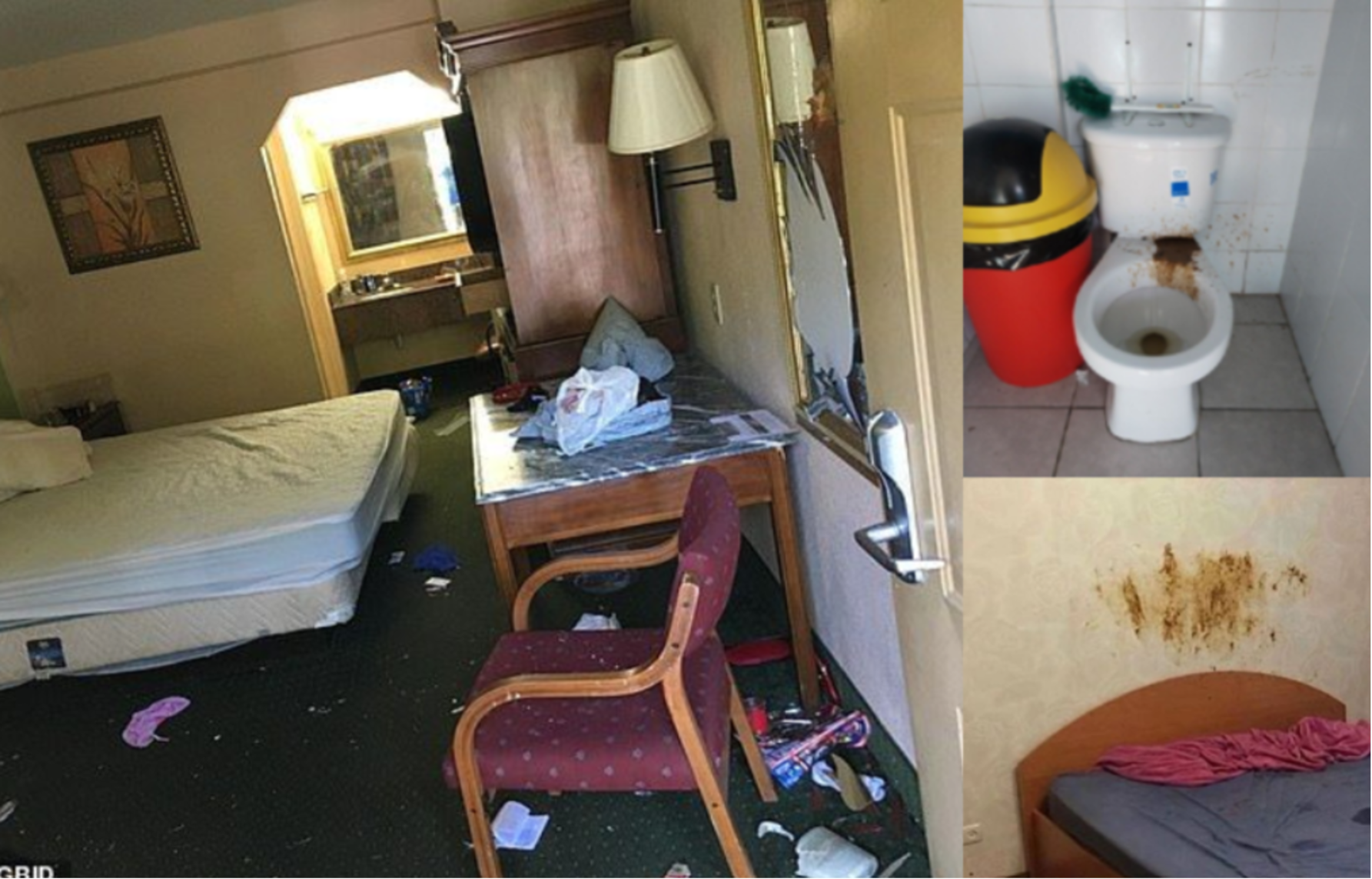
Photographic evidence from the guest rooms offers a stark look into the Baldocks’ unique approach to interior design. One bedroom features an unmade mattress stripped of basic linens, surrounded by litter, overturned furnishings, and a heavily damaged wall mirror that looks less like a feature and more like a crime scene evidence photo.

Brown Smears

The en-suite facilities present an equally bold aesthetic. In the bathroom, severe brown splatter covers the back of the toilet tank, toilet seat, and surrounding wall tiles, paired alongside a bright red bin that does little to offset the immediate hygiene concerns. A separate sleeping quarters shows similar brown smears directly above the headboard, adding a touch of biohazardous flair to the bedside décor.

With a current occupancy rate hovering around 2%, guest enthusiasm remains decidedly low. One recent online review memorably described the property as resembling a “bombed-out hotel in Beirut,” praising only the fact that the front door eventually opened to let them leave.

Despite nearly 40 years in the trade, the Baldocks appear steadfastly committed to their minimalist cleaning strategy. With booking numbers bottoming out and review platforms running out of low numbers to assign, the future of the Park Hotel looks undeniably bleak.

BREAKING: Brown bear spotted in Britain for first time in 1,500 years

New Highway Code £500 Tea Flask Fine Rule

0
New Highway Code £500 Tea Flask Fine Rule

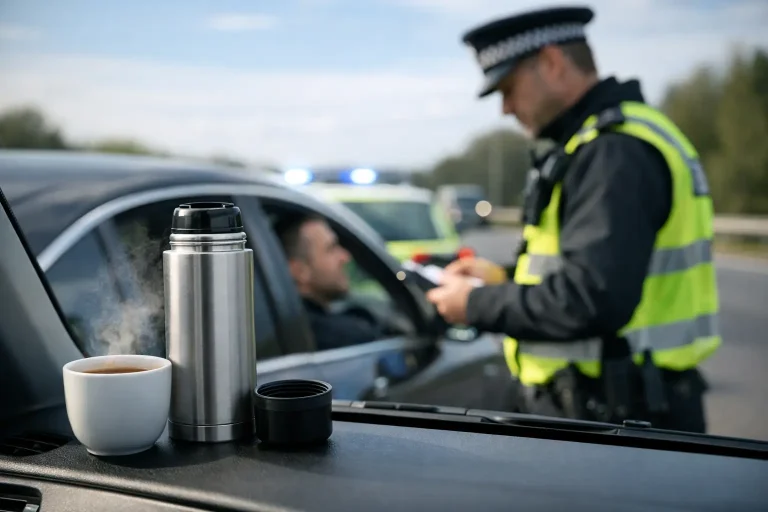
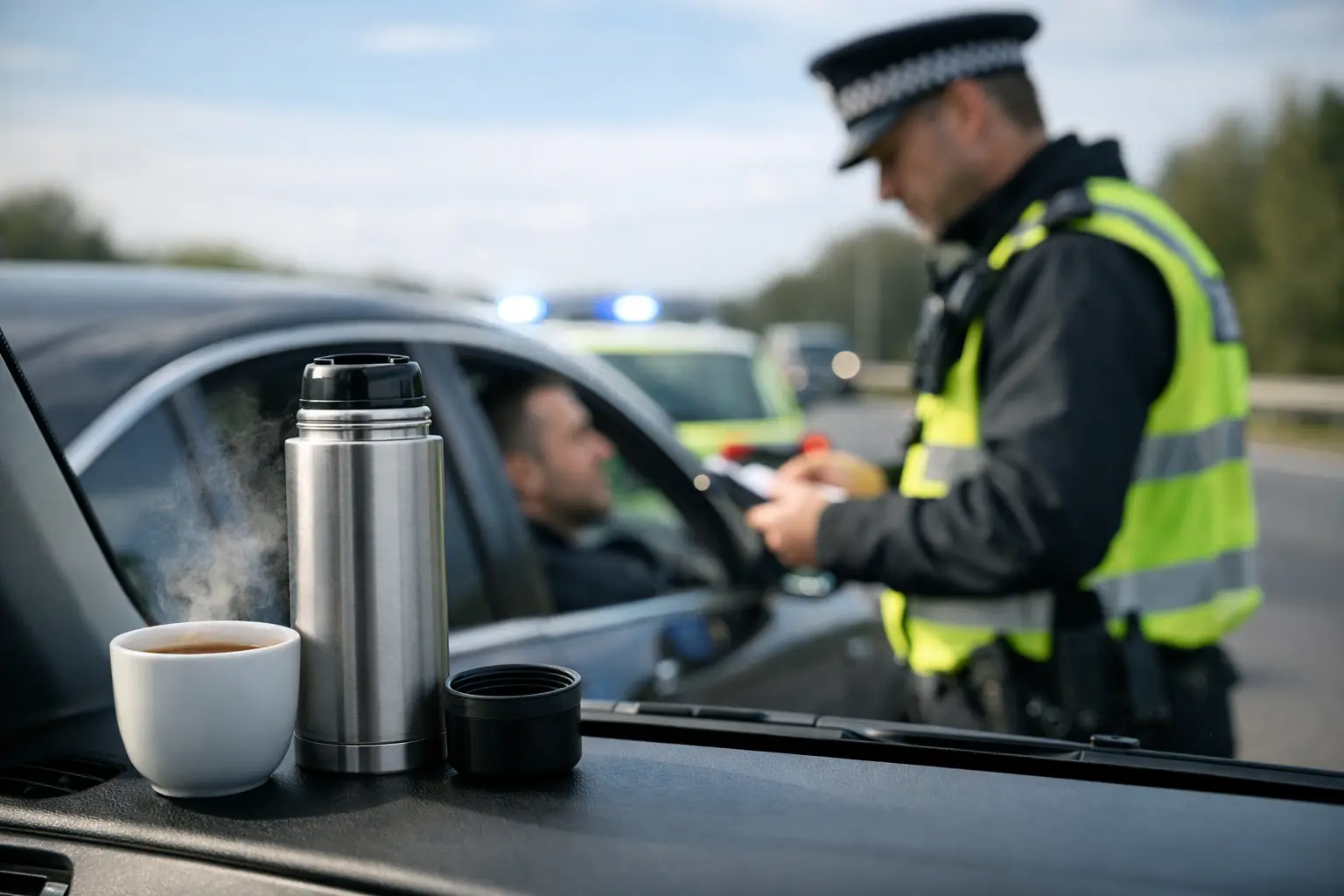
Motorists have been warned that the alleged new highway code rules uk: driving without a flask of tea now triggers automatic £500 fine are entirely made up, much like a council consultation that ends before anyone has found the attachment. Still, that has not stopped drivers across Suffolk from panic-buying tartan Thermos flasks and asking whether builder’s tea counts if it was brewed in Cambridgeshire.

The fictional measure, said to have been introduced at 00:01 on a wet Tuesday for maximum administrative menace, would require every vehicle to carry a “roadworthy beverage vessel” containing no fewer than 400ml of tea at a drinkable-but-not-litigiously-hot temperature.

Officials in this invented world insist the rule is about safety. A motorist without tea, they say, is only three miles from becoming “tired, peckish and emotionally vulnerable to a service-station sausage roll”.

New Highway Code tea-flask rule causes panic at lay-bys

The imaginary £500 penalty would be issued automatically by cameras capable of detecting an empty cup holder from 400 yards away, even in rain, fog and the sort of bright low sun that makes every A-road journey feel like a hostage situation.

The cameras are reportedly being tested near Bury St Edmunds, where they have already mistaken 17 gravy boats, a child’s science project and one man’s decorative urn for non-compliant tea flasks. A further six drivers were flagged after carrying coffee, which the system categorised as “an aggravating lifestyle choice”.

Under the fake guidance, drivers stopped by police would be asked to present their flask, state its contents and name the biscuit they would ideally have alongside it. Those answering “anything gluten-free” would be referred to a specialist officer for further questioning.

A spokesperson for the completely nonexistent Department for Transport Beverage Compliance Unit said: “We are not anti-coffee. We simply believe that anyone attempting the A14 at 4.30pm without a strong tea and a vague feeling of resignation is taking unnecessary risks.”

They added that herbal infusions would be accepted only if accompanied by a convincing explanation and an apology to the nation.

What drivers would need to carry

The fictional regulations are exceptionally precise, because no British rule is considered fully operational until it has made a perfectly normal activity faintly embarrassing. Motorists would need a flask with a screw-top lid, an internal temperature of between “quite warm” and “don’t be daft”, plus at least one emergency tea bag taped somewhere within reach of the handbrake.

Loose-leaf tea is permitted, although drivers choosing it must allow an additional 20 minutes for the inevitable conversation about it. Decaffeinated tea is technically legal but would place the motorist on a voluntary register monitored by a man called Colin in an office above a vape shop in Ipswich.

There would also be exemptions. Taxi drivers could carry a paper cup from a petrol station, provided the lid was stained with old sugar and the cup had spent at least half an hour rolling beneath the passenger seat. Farmers travelling in tractors would be allowed a flask of any size, including one apparently designed to serve a village fete. Owners of classic cars could substitute a picnic hamper, as long as it contains a Victoria sponge and a tool whose purpose nobody can identify.

Electric vehicle drivers, meanwhile, would be encouraged to recharge themselves while their car charges, creating the nation’s first official 47-minute tea break at a retail park outside Thetford.

The evidence, apparently

In a document that definitely does not exist, researchers claimed a proper flask improves concentration by 62 per cent, patience in queues by 81 per cent and the likelihood of allowing someone out of a side road by “a measurable amount, provided they wave”.

The study also found that drivers who had forgotten their tea were more likely to make dangerous decisions, including buying a £4.79 latte at a motorway services and saying “it’s actually not bad”.

One anonymous road-safety expert, who may have been a man overheard in a Felixstowe café, said the science was obvious. “A hot drink gives people something to do while they sit in a queue caused by roadworks that have been there since the coalition government. It’s public health, really.”

Suffolk reacts with the usual restraint

The news has prompted scenes of calm, rational debate in village Facebook groups, meaning 900 comments posted before breakfast. Some residents demanded an immediate return to common sense, while others insisted the fine should be increased to £1,000 for anybody carrying fruit tea “on a weekday”.

At a petrol station near Stowmarket, a queue formed at 6am after rumours spread that flasks were being rationed. By 6.12am, the shop had sold out of travel mugs, two packs of Hobnobs and every copy of a motoring magazine featuring a man polishing an Austin Healey.

Local dad Martin P., 48, said he had fitted cup holders to all three family cars, his lawnmower and “the little wagon thing we take to bonfire night”. He told reporters: “You can’t be too careful. Last time the rules changed I spent £90 on a first-aid kit and then discovered it was just the school asking for plasters.”

His wife, Karen, said the family’s greatest concern was not the £500 fine but whether their teenage son would interpret “carry tea” as permission to drive around with a flask full of energy drink. “That is not tea,” she said. “That is melted blue electricity.”

The catch that may disappoint keen rule-followers

Tea itself is not the villain. A sensible stop, a proper break and a drink when parked are all far better ideas than attempting a high-speed lid removal manoeuvre on the A12 while your passenger announces that the milk has gone everywhere. If you need a refreshment, pull over somewhere safe. The service station will still be there, along with its £3.40 packet of Mini Cheddars and the man buying a scratchcard in slippers.

For now, drivers may continue travelling flask-free without fear of an automatic fine. But perhaps keep one in the boot anyway. Not because the Highway Code demands it, but because a thermos of strong tea remains one of Britain’s few genuinely functioning emergency services.

DVLA Check Fails Drivers Who Cannot Identify Norfolk

0
DVLA Check Fails Drivers Who Cannot Identify Norfolk

A DVLA driving licence check fails drivers who cannot identify Norfolk, according to a completely fabricated Government pilot designed to stop people entering East Anglia merely because they saw a brown sign for a garden centre.

By Our Norfolk Reporter: Ian Bred

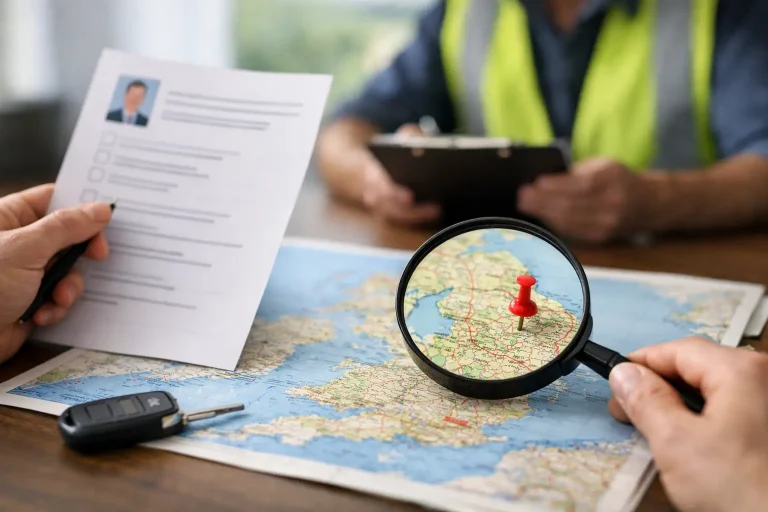
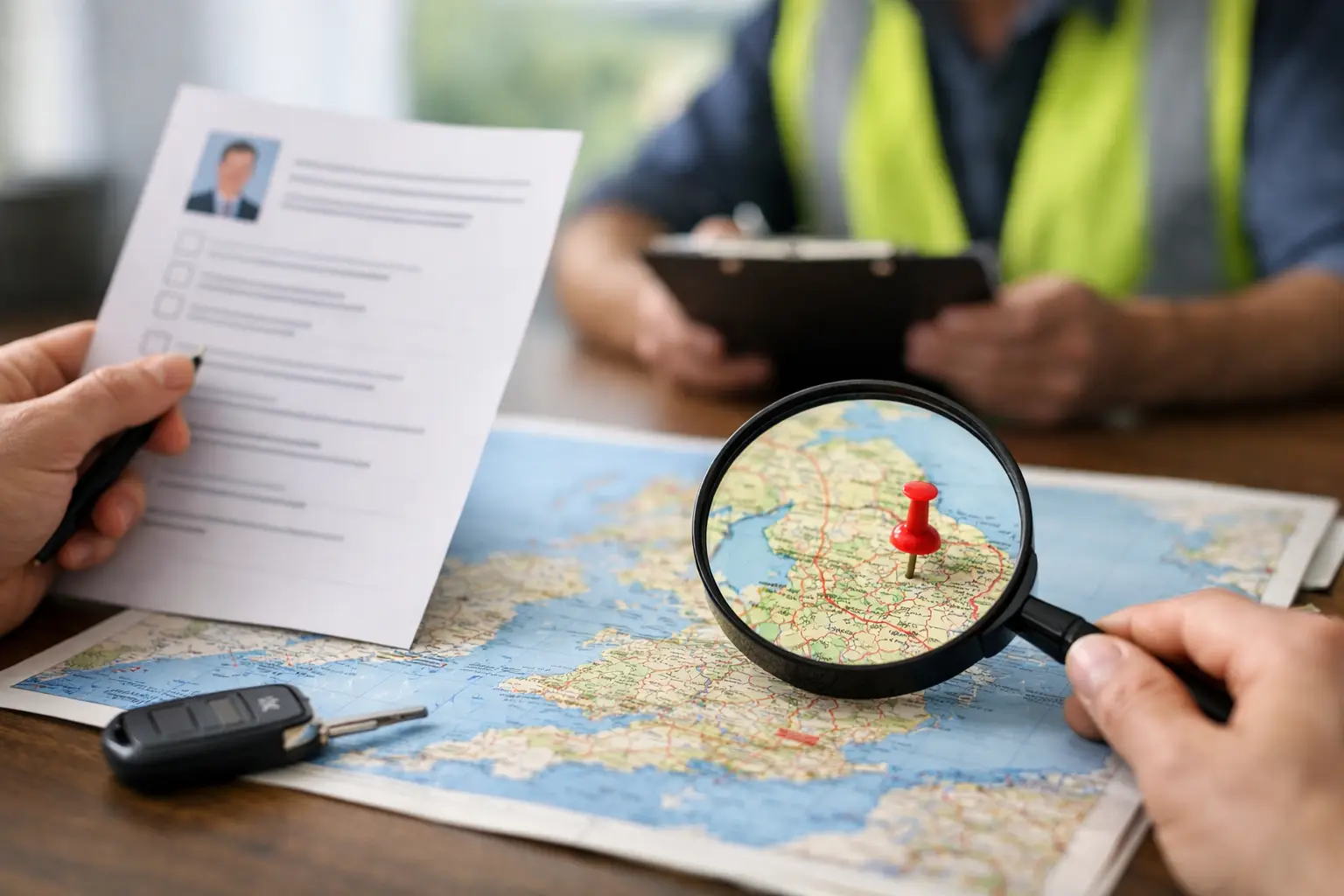
The new online system, said to have been trialled at 3.17pm on a wet Tuesday, asks applicants to locate Norfolk on a map of Britain before allowing them to renew a licence, check penalty points or prove they are legally entitled to sit in a stationary Vauxhall Corsa outside a retail park.

Those who point at Cornwall, Cumbria or, in one particularly troubling case, “somewhere near Belgium” are immediately redirected to a page featuring a picture of a tractor, a grey sky and the words: “Have another go, sunshine.”

DVLA driving licence check fails Norfolk doubters

Officials from the imaginary Department for Transport said the measure was introduced after years of motorists arriving in Norfolk “with neither a map, a plan nor any apparent awareness that roads can continue for longer than 12 miles without a Pret”.

The test begins innocently enough. Users are shown an outline map and asked to click on the county famous for windmills, vast skies, enormous villages with one pub left, and a population capable of discussing the A47 as if it were a prolonged military conflict.

Most drivers reportedly pass within seconds. Problems begin when the system asks follow-up questions such as whether Norwich is “basically Suffolk but bigger”, whether Cromer counts as the seaside if you have brought a thermos, and whether someone from King’s Lynn is allowed to say they are from “near Cambridge” at weddings.

One motorist from Milton Keynes, who asked not to be named because he had just told three people he was a “bit of a county man”, failed the check after identifying Norfolk as “the bit above London where everyone owns a boat”.

He has been granted a temporary licence restricted to driving between dual carriageways, airport car parks and any branch of a national coffee chain with easy access to a charging point.

The map question causing nationwide panic

The fictional DVLA interface is allegedly colour-coded to help confused applicants. Suffolk appears in a reassuring shade of beige. Norfolk is represented by a large yellow shape accompanied by the sound of distant geese and somebody saying, “You’ll want the next turning, not this one.”

Yet campaigners say the process has unfairly exposed a deep national inability to recognise counties that do not contain a major football stadium, an international airport or a celebrity chef’s restaurant with tiny chairs.

A survey of 2,000 people invented for the purposes of this article found that 41 per cent believed Norfolk was “somewhere round the back of Cambridge”, 18 per cent thought it had been merged into Suffolk during the pandemic, and six per cent assumed it was a fictional setting from The Archers.

The remaining 35 per cent were from Norfolk and responded, in various spellings, “leave us alone, we’re fine”.

“It is not difficult,” says man with OS map tattoo

Local resident and self-appointed geographic standards officer Martin Peddle, 58, told reporters from beside a lay-by near Wymondham that the test was long overdue.

“It is not difficult,” he said, unfolding an Ordnance Survey map the size of a picnic blanket. “Norfolk is the bit sticking out on the right. It has beaches, churches, farm shops and at least seven roads that look like they are going somewhere but are actually taking you back to where you started, only wetter.”

Mr Peddle said anybody unable to find the county should be made to spend a weekend attempting to get from Diss to Holt without saying, “Surely there must be a quicker way.”

“They’ll learn,” he added. “Or they’ll settle in Thetford for 45 minutes and emerge changed.”

Drivers face compulsory regional awareness course

Those failing three attempts will reportedly be invited to attend a compulsory regional awareness course in a village hall with inadequate heating and a raffle prize consisting of two jars of chutney.

The course covers the basics: identifying a village sign, understanding why every pub claims to be “the last proper one”, and accepting that a journey of 28 miles may take an afternoon once you factor in tractors, horseboxes, a delivery van, two cyclists riding side by side and a person reversing a caravan with the confidence of a naval commander.

Attendees must also complete a practical module. They are handed a tote bag, a £10 note and a vague instruction to “find somewhere that sells a sausage roll and local honey”. Anyone returning with a branded energy drink is asked to reflect on their choices.

A final assessment requires drivers to react correctly when a satnav insists they turn down a lane that has narrowed from “road” to “hedge-based suggestion”. The right answer, according to the training booklet, is to stop, sigh, blame technology and follow the vehicle in front, which is almost certainly going to the same farm shop anyway.

Suffolk responds with customary suspicion

Across the border, Suffolk residents have reacted to the news in the traditional manner: by pretending they do not care while caring with impressive administrative thoroughness.

Some welcomed the proposed test, arguing it would reduce the number of visitors who arrive in Bury St Edmunds looking for the coast, then complain that the county has been arranged incorrectly. Others feared Norfolk identification could become the first stage of a wider national programme requiring motorists to distinguish Ipswich from “that place with the football club and roundabouts”.

One Suffolk parish councillor, speaking entirely hypothetically, warned that any scheme involving county recognition must be fair, transparent and conducted only after the examiner has demonstrated an acceptable knowledge of Stowmarket’s position, pronunciation and emotional significance.

“There are boundaries,” she said. “Some are historic, some are ceremonial, and some are caused by a tractor doing 19mph on the B1115. But they matter.”

Ministers deny scheme is anti-outsider

Fake ministers have denied that the new test is hostile to outsiders, saying it merely ensures visitors possess the minimum awareness needed to order lunch without asking whether the fish is “locally sourced”.

A spokesperson said: “Britain’s roads are for everyone. But if you intend to drive through Norfolk, it is reasonable to know that it exists, that it is not a shortcut to London, and that a sign reading ‘Unsuitable for motors’ is not an invitation to test the limits of your leased SUV.”

The spokesperson declined to say whether similar checks would be introduced elsewhere. Reports that drivers entering Yorkshire may soon need to recognise a proper pint, or that anyone approaching Cornwall must identify a pasty under oath, could not be confirmed because they were made up five minutes earlier.

A small victory for maps everywhere

For now, motorists are advised not to panic. Real DVLA services do not demand a working knowledge of East Anglian geography, nor do they dispatch a county elder to inspect your glovebox for a laminated atlas.

Still, there is a useful lesson in the nonsense. Before setting off somewhere unfamiliar, glance at a map, allow more time than the satnav suggests, and never assume a route through the countryside will be quick simply because it looks like a straight line. If you can identify Norfolk as well, so much the better. You couldn’t make it up.

Unemployed Man Claims Government Surveils His Curries

0
Microwave Rice and the Hidden Microchip Mystery

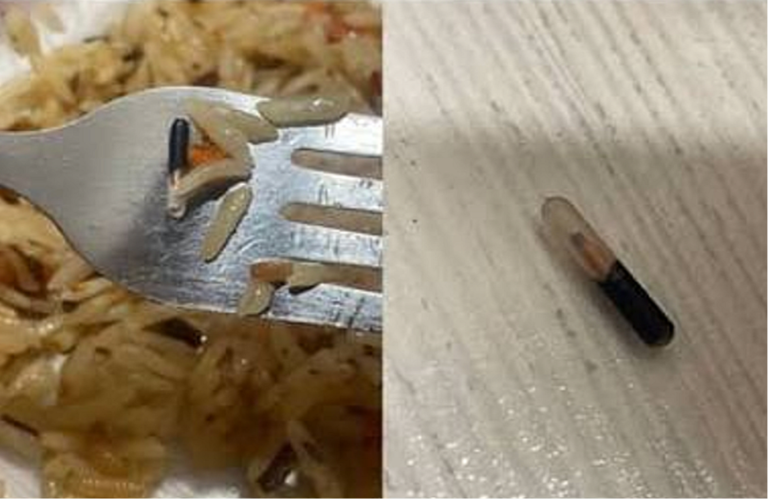
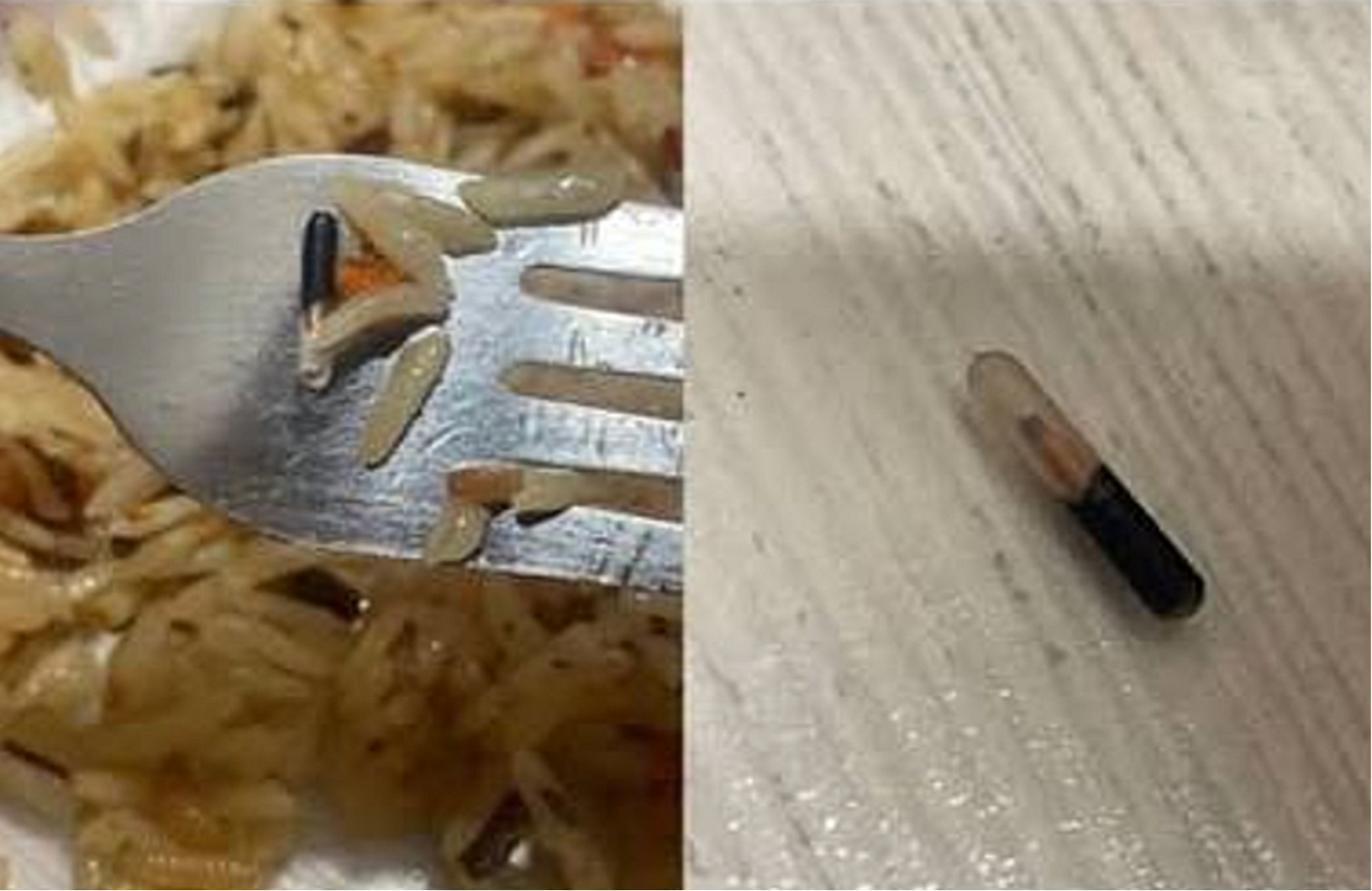
A Suffolk man claims the British government placed microchips in microwave rice.

By Our Security Correspondent: Ben Twarters

BURY ST EDMUNDS — A Suffolk resident has accused the British Government of state-level surveillance after allegedly discovering an active microchip inside a £1.20 sachet of microwave rice, joining a growing online movement of shoppers who believe their carbohydrates are compromised.

Brian Chuggins, 52, of Bury St Edmunds, claims he found the radio-frequency identification (RFID) device while preparing a quick dinner on Tuesday evening. Mr Chuggins purchased the sachet of instant Basmati from Morrisinghs, an independent local grocery store owned and managed by neighborhood trader Barry Singh, 47.

The incident reflects a surging trend across LinkedIn and YouTube, where users have uploaded viral videos alleging that major supermarket chains and food retailers are distributing trackable electronics hidden inside grain-based convenience products.

“I tipped the rice into the bowl, and there it was between the grains—a tiny, glowing transmitter,” Mr Chuggins said. “The intelligence services want to monitor my every move. They know I’m onto them.”

Spicy Spies

Why state authorities would expend high-tech surveillance resources to track Mr Chuggins remains entirely unclear. The unemployed conspiracy theorist spends the vast majority of his waking hours indoors watching back-to-back repeats of The X-Files while consuming ready-meal curries. His total physical footprint over the past six months consists almost entirely of short walks to Morrisinghs and weekly trips to the local recycling bins.

Store owner Mr Singh dismissed the intelligence agency claims, suggesting the object was likely a fragment of hardened starch or a piece of packaging machinery.

“Mr Chuggins came into the shop shouting about GCHQ,” Mr Singh reported. “I told him the only ting being tracked in my shop is inventory. If the government wanted to know what Brian was doing, they could simply look through his front window, as he never draws the bloody curtains.”

Local police have declined to open a formal investigation into the microwaveable grain network.

Skids In Space: Lunar Collision Course Set for Space X Commode

0
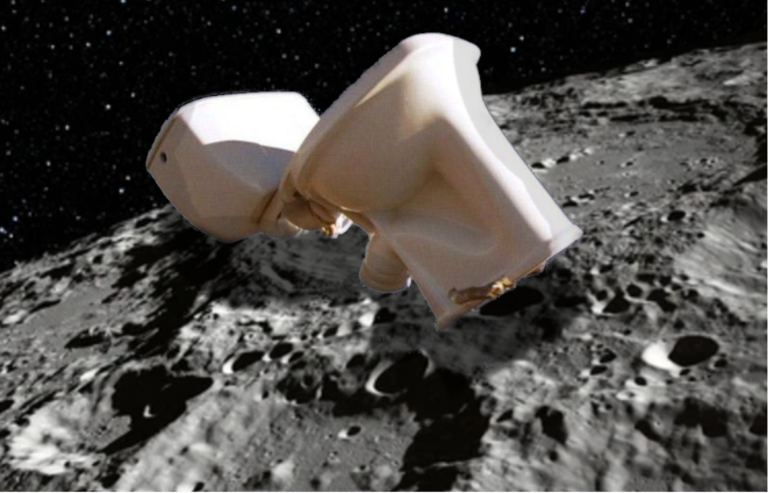
The Moon is Bracing for an Impact with a Drifting Space Toilet

NASA Confirms: The Moon is Bracing for an Impact with a Drifting Space Toilet.

By Our Defence Editor: Doug Trench

WASHINGTON, D.C. – According to NASA officials, Earth’s nearest celestial neighbour, the Moon, is on an inescapable collision course with a high-velocity ceramic toilet.

The Moon, a cosmic punching bag with a 4.5-billion-year resume of enduring apocalyptic asteroid strikes and meteor impacts, is now facing a new type of threat: a jettisoned porcelain fixture from an Earthly commercial space venture. This event, scheduled for Wednesday, August 5th, is another humiliating chapter in the Moon’s long history of being treated as the solar system’s designated target.

NASA’s Center for Near-Earth Object Studies (CNEOS) has officially projected the impact, which will occur at an estimated speed of 5,400mph (2.43 km/second). Independent astronomers, working on their own time with publicly available tracking data, were the first to identify this anomaly. The specific object has been positively identified as the standard-issue ceramic toilet bowl and cistern assembly from a SpaceX Falcon 9 rocket launched in early 2025.

One Small Flush for Man

NASA spokesperson Jimi Russell, maintaining a professional demeanour, issued a brief statement confirming the agency’s knowledge of the situation. “We confirm that a component from a previous mission, specifically identified as a toilet, is set to impact the lunar surface on Wednesday.”

Russell emphasised safety. “There is no danger whatsoever to Earth. The distance is too vast for the impact to cause any atmospheric effects or debris on our planet. Furthermore, NASA has already built a comprehensive tracking profile for the object, which we will continue to utilise for training and positional monitoring purposes.”

Perhaps the most astonishing aspect is the agency’s stated plan for after the crash. Russell announced, “NASA will later observe the impact site for scientific purposes.”

This development elevates the status of the debris from “space junk” to “lunar research object,” ensuring that while the Moon may be getting treated like a junkyard, Earth’s finest scientific minds will at least be watching intently, clipboard in hand, as our porcelain ambition becomes a permanent part of the lunar landscape.

Off His Trolley! Inventor unveils Bike-Cart Hybrid For Rapid Shopping

0
Inventor unveils Bike-Cart Hybrid For Rapid Shopping

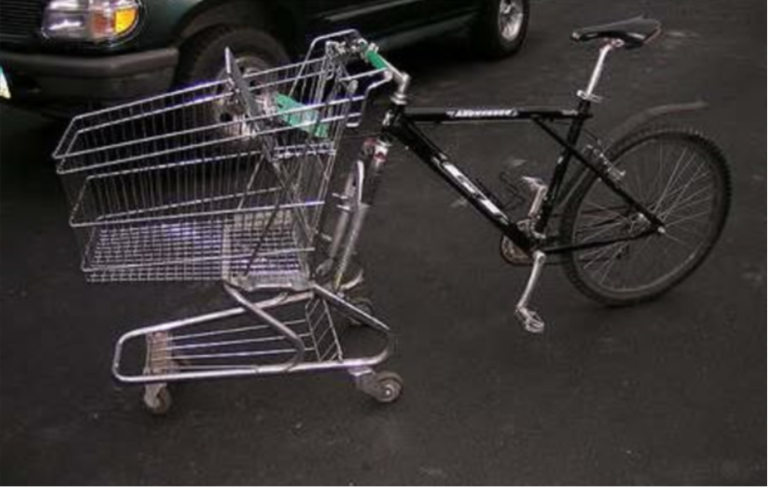
An eccentric inventor attaches a supermarket shopping cart to a mountain bike frame.

By Our Cycling Correspondent: Bernie Legg

PAKEFIELD — Local inventor Jeffrey Schlepp, 58, has unveiled his latest contraption aimed at revolutionising grocery shopping: a hybrid vehicle fusing a mountain bike with a supermarket trolley.

The vehicle replaces the front wheel of a black GT mountain bike with the front frame and dual swivel-casters of a standard grocery cart. The handlebars have been removed entirely, leaving direction control to a rigid metal coupling bolted directly to the cart’s rear handle.

According to Schlepp, the contraption will allow shoppers to complete a routine supermarket run in half the standard time, effectively permitting users to ride directly through the aisles while loading groceries into the front cargo bay.

“The geometry is pure efficiency,” Schlepp said from his workshop. “You pedal through produce, bank left into frozen foods, and load direct to basket without breaking stride.”

The project marks the latest chapter in Schlepp’s controversial engineering career. He previously drew local attention for the “Cocktus,” a green-energy robot pitched to major tech firms, and a square-wheeled car which can avoid potholes.

Tour De Freezer

Other notable endeavours include the Aeronautical Auto-Flying Car Plane—which he claimed operated on strawberry-flavoured milk—and the Solarcar, a 1997 Vauxhall Astra seen towing what witnesses described as “six rusty panels and a sense of hope.”

Initial trial runs of the hybrid cart-bike have yielded mixed practical results. While the rear chain-drive provides sufficient momentum, the retention of the cart’s standard 360-degree swivel wheels at the front creates significant steering drift at speeds exceeding four miles per hour.

Local store managers have declined to confirm whether the vehicle will be permitted inside retail premises, citing concerns over aisle clearance, high-speed collisions in cereal aisles, and general liability. Schlepp remains unfazed by safety queries, confirming plans to add a child-seat modification before the weekend

King Charles Trail Diverted to Avoid One Angry Badger

0

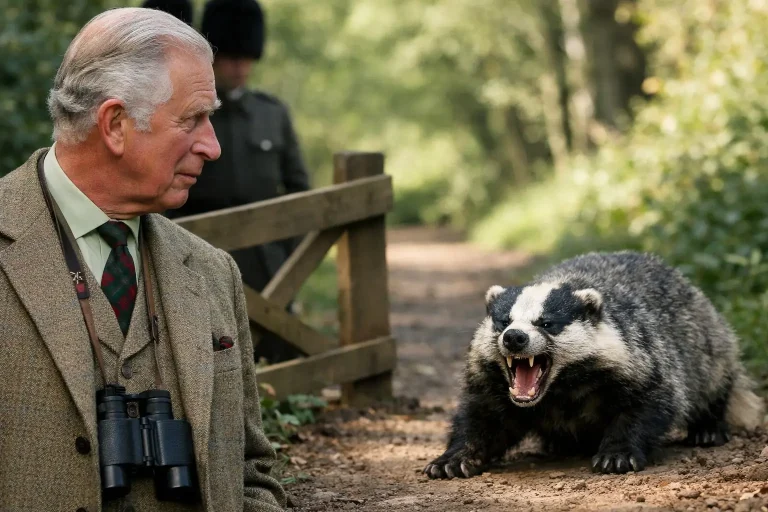
SUFFOLK – A proposed countryside trail bearing the King’s name has reportedly been diverted around a patch of scrubland near Sudbury after planners encountered what they described, with unusual candour, as “one extremely angry badger”.

By Our Royal Editor: Jane Seymour

The badger, known locally as Mr Badger because nobody had dared ask for a first name, is believed to have occupied the same sett for years. It has now become the only resident of Suffolk to secure a significant alteration to a royal walking route without completing a consultation, attending a parish council meeting or owning a WhatsApp group called “Save Our Village From Progress”.

King Charles III trail diverted after hedge dispute

The route was intended to offer walkers a gentle tour of hedgerows, heritage vistas and the kind of tasteful mud that appears in countryside brochures but is never mentioned on anybody’s boots. It would have passed old mills, village greens and at least three pubs claiming to be “the beating heart of the community” despite closing at 8.30pm on Tuesdays.

However, the route’s neat line on a planning map ran directly past Mr Badger’s entrance. This was judged to be unacceptable by the animal, who reportedly emerged at dusk, stood in the middle of the proposed path and looked at a project manager in a manner usually reserved for people who say they prefer a chain pub.

“It was not aggression, as such,” said fictional trail liaison officer Clive Moleskin, who was wearing a high-vis jacket and carrying a clipboard for reasons he could no longer explain. “It was more a deep constitutional objection. The badger gave us the distinct impression that it had been here before the monarchy, the Ordnance Survey and probably the concept of leisure walking.”

The original route would have brought ramblers within several metres of the sett. Revised plans now take them through a field, round a pond, over a stile designed by someone with a personal grievance against knees, and back towards civilisation via an abandoned farm gate.

Officials insist the diversion adds only 1.7 miles, two confusing signposts and “a small but invigorating amount of uncertainty” to the walk.

A local resident with firm views

Mr Badger’s objection is understood to centre on noise, intrusion and a previous incident involving a family eating cheese sandwiches too loudly near a bramble patch. While no formal statement was issued, a nearby resident claimed the animal had spent the previous evening excavating a hole “with the focused rage of a man being asked to download an app to pay for parking”.

Wildlife experts, or at least one man called Darren who owns binoculars and speaks confidently in the village shop, said badgers can be territorial. “They are very private creatures,” Darren explained. “They like routine, worms and not being asked whether they have considered the economic benefits of a visitor centre.”

The revised trail will include an interpretation board at a respectful distance. Early drafts reportedly described the sett as an “important habitat for a protected species”, but this was rejected as too vague. The final wording is expected to read: “BADGER LIVES HERE. PLEASE DO NOT BE A CLOWN.”

There are also plans for a small viewing area, although it will not actually allow visitors to see the badger. This is partly to protect the animal and partly because Mr Badger is thought unlikely to participate in a tourism initiative unless supplied with a full-time security detail and a personal supply of mealworms.

Parish council welcomes decision cautiously.

The parish council voted to support the diversion by six votes to two, with one abstention from a councillor who said the matter raised “wider questions about whether the badger had followed proper procedure”. The meeting lasted three hours and included an unrelated discussion about a pothole, a complaint concerning bunting, and a proposal to ban cyclists from travelling downhill too quickly near the village hall.

Councillor Brenda Fenn, chair of the Footpaths, Commemorative Benches and General Disappointment Committee, said the decision reflected Suffolk’s traditional values. “We are a county that respects nature,” she said. “We also respect anything that might bite Geoff from number 14, although that is not the official reason.”

She denied claims that the diversion had been designed to funnel walkers past the Crown & Sceptre, a pub whose landlord has recently introduced a £9.50 sausage roll described on the menu as “artisanally strategic”. “The route’s relationship with the pub is entirely coincidental,” she said, while unfolding a map featuring a large arrow labelled LUNCH HERE.

The royal question nobody asked

Whether the King was personally aware of the route before the badger’s intervention remains unclear. Palace sources were unavailable, mainly because they had not been contacted and, if they had, would presumably have had more pressing matters to discuss than a disgruntled mustelid in a Suffolk hedge.

Still, villagers have embraced the possibility that the monarch might approve. One resident suggested that, given his longstanding interest in the countryside, the King would understand the arrangement. Another said he might even appreciate the badger’s “refreshing refusal to accept a laminated sign as evidence of authority”.

A commemorative plaque had initially been proposed at the diversion point. It would have read: “Here the trail respectfully changes direction.” A more honest alternative, favoured by younger residents, says: “WE TURNED LEFT BECAUSE THE BADGER SAID SO.”

The plaque has been delayed while the council decides whether capital letters are too confrontational for a creature that could, in theory, read them.

Walkers divided, as walkers always are

Regular walkers have reacted with the usual blend of practicality, outrage and detailed knowledge of which footpaths were better in 1994. Some welcome the detour, saying it creates a more varied route and adds a chance of spotting kingfishers, deer and strangers unsuccessfully applying plasters to a heel.

Others argue that the old plan was perfectly adequate and that humans should not be “pushed about by wildlife”. This position was challenged by a woman in waterproof trousers who pointed out that humans have spent several centuries pushing wildlife about and had not exactly covered themselves in glory.

There is also concern that the amended path crosses a field occupied by three alpacas with what has been described as “an unsettling amount of local confidence”. A risk assessment is being prepared, though planners expect the alpacas to be less troublesome than the badger because they have no legal status, no known union representation and are easily distracted by a leaf.

A useful lesson in countryside diplomacy

For now, Mr Badger remains in residence, unbothered by constitutional pageantry, mapping software and the high emotional stakes of rural infrastructure. The trail will open later this year, provided the new signs are erected, the stile survives its first weekend, and nobody suggests putting a QR code near the sett.

Walkers are advised to wear suitable footwear, carry water, shut gates behind them and remember the central rule of the modern British countryside: if a badger is clearly having a worse day than you, take the long way round. It is only polite.