Home Blog

Boy, 9, suspended after computer protest against primary school

School Review: A Pupil's Bold Statement

Lowestoft pupil Suspended After Typing Blunt School Review.

LOWESTOFT, SUFFOLK — A nine-year-old boy has been suspended from school for a week after using a classroom computer to deliver what staff described as an “unauthorized written assessment” of school life.

Billy Smith, a pupil at St Gideon’s Primary School, had been instructed to spend a computer technology lesson researching dinosaurs alongside his classmates on Tuesday morning.

However, instead of gathering information about the Tyrannosaurus Rex, Billy reportedly opened a word processing document and typed the phrase: “F*ck this school”.

The message was allegedly discovered within minutes by his class teacher after Billy was seen “laughing and encouraging classmates to look at his work”.

According to sources familiar with the incident, staff immediately escalated the matter to the school’s head teacher, who authorised a one-week suspension before lunchtime.

One parent said the speed of the disciplinary process had “surprised even the children”.

“You usually can’t get a reply from the office for three weeks if your kid loses a jumper,” she said. “But apparently if someone insults the establishment in 18-point font, the system becomes incredibly efficient.”

Witnesses claim Billy remained calm throughout the ordeal and appeared “mildly proud” as he was collected from the school gates by his mother later that afternoon carrying a half-finished worksheet about stegosauruses.

A spokesperson for the school declined to comment directly on Billy’s statement but confirmed pupils are expected to use technology “responsibly and respectfully”.

Meamwhile: Girl, 9, disappears using cream that makes you ten years younger

Mouth Tape: Sleep Fix or Bedtime Nonsense?

0

If you’ve recently seen someone recommending mouth tape with the confidence usually reserved for air fryers, tactical torches, and men who own three different barbecue thermometers, you are not alone. Mouth tape has somehow gone from obscure sleep hack to full-blown bedside trend, right up there with magnesium sprays and announcing that you are “tracking recovery” despite mostly sitting down.

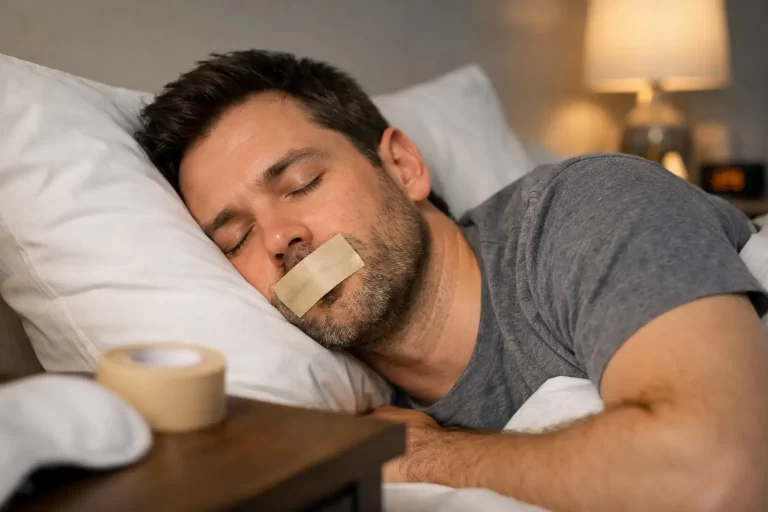
The basic idea is simple enough. You place a small strip of tape over your lips before sleep in the hope of encouraging nasal breathing. Supporters claim it helps with snoring, dry mouth, poor sleep and that vague modern condition known as “not feeling amazing by 6am”. The question is whether mouth tape is a clever nudge towards better breathing or just another wellness fad that sounds scientific because someone said “oxygen optimisation” in a ring light.

What mouth tape is actually meant to do

In plain terms, mouth tape is not magic tape. It does not redesign your face, turn you into an elite athlete, or make your sleep score look like you live in a Scandinavian forest with no mortgage. All it does is try to keep the mouth closed during sleep, which may encourage breathing through the nose instead.

That matters because nasal breathing does have some sensible advantages. The nose warms and filters air, and for some people it may reduce dryness in the mouth and throat. If you sleep with your mouth open, you may wake up feeling like you spent the night licking the inside of a toaster. In that narrow sense, the appeal is understandable.

Some users also report less snoring. That can happen if open-mouth breathing is part of the issue. But this is where the heroic claims tend to sprint several miles ahead of the evidence. Snoring has all sorts of causes, from congestion to sleeping position to anatomy to alcohol to the sort of late-night curry decision that felt bold at the time.

Why mouth tape has gone oddly mainstream

The rise of mouth tape has all the hallmarks of a modern health craze. It is cheap, visual, weird enough to feel exclusive, and easy to post online. Nothing says “I take my wellbeing seriously” quite like looking as though you have been politely kidnapped by your own duvet.

It also fits the larger mood of sleep optimisation. People are now expected to approach bedtime like a Formula 1 pit crew. There are routines, supplements, blue-light glasses, sunrise alarms, white noise machines, blackout blinds, cooling pillows and at least one friend who insists you should stop eating after 7pm while drinking a pint at 10. Mouth tape slots neatly into that world because it offers the delicious promise of a tiny intervention with suspiciously large results.

That does not mean it is useless. It means popularity is not proof. Britain once made Worzel Gummidge a national institution. We should know this.

Does mouth tape help with snoring and sleep?

For some people, perhaps a bit. For others, not at all. That is the honest answer, which means it is less marketable than saying it changed somebody’s life in two nights and also improved their jawline.

If your mouth falls open in sleep and that contributes to dryness, noisy breathing or disturbed sleep, mouth tape might help you breathe through the nose more consistently. People with mild snoring linked to mouth breathing sometimes say it reduces the racket, which can be a relief for partners who have spent months considering separate bedrooms and a very long walk.

But mouth tape is not a proper treatment for sleep apnoea, and this is the part worth taking seriously. If someone snores heavily, stops breathing in sleep, gasps awake, wakes exhausted, or is sleepy all day, the issue may be more than a slightly lazy jaw. In those cases, slapping on tape and hoping for the best is less “biohacking” and more “ignoring a warning light on the dashboard”.

There is also a practical problem. If your nose is blocked because of allergies, a cold, a deviated septum or chronic congestion, forcing the mouth shut is not exactly a masterstroke. The body tends to object to not getting enough air, and quite rightly.

Who should think twice before trying mouth tape

Anyone with breathing problems should be cautious. That includes people with suspected sleep apnoea, regular nasal blockage, severe allergies, respiratory conditions, or anyone who simply feels anxious at the idea of restricting airflow. If the thought of sleeping with tape over your lips makes you feel like you’ve signed up for an experimental art installation in Lowestoft, that feeling is itself useful information.

Skin irritation is another dull but real issue. The internet tends to present mouth tape as if it were invented by kind woodland doctors. It is still adhesive on your face. Some people will wake up fine. Others will wake up looking as though they lost a pub bet with a waxing strip.

And then there is the obvious point that not every snorer is a mouth breather, and not every poor sleeper is one gadget away from transcendence. Sleep is messy. Stress, alcohol, room temperature, weight, illness, medication and lifestyle all play their part. Mouth tape can only do so much, which is not very glamorous but remains annoyingly true.

If someone insists on trying mouth tape

The sensible version is rather less dramatic than the wellness influencers make it sound. Start by asking the boring questions first. Are you constantly blocked up at night? Do you snore badly? Do you wake choking or gasping? Are you tired all day? If yes, the better move is speaking to a medical professional rather than treating your face like a parcel.

If none of those red flags apply, the cautious approach is to test whether nasal breathing is comfortable while awake. If you cannot breathe easily through your nose while reading the paper, you are unlikely to enjoy it while unconscious. Use products specifically designed for the purpose rather than improvising with whatever is in the kitchen drawer. This is one area where “that’ll do” should not involve industrial gaffer tape.

Even then, expectations should remain modest. Mouth tape might help reduce dryness or encourage better habits. It is unlikely to transform your sleep into a luxurious eight-hour voyage through lavender-scented unconsciousness while the dawn chorus applauds.

The slightly bigger truth behind the trend

What makes mouth tape interesting is not just the tape itself but what it says about how we now talk about health. There is a growing market for tiny fixes that feel proactive and vaguely elite. People want something they can do tonight, cheaply, and preferably with enough oddness to mention it at brunch.

That is understandable. Real health advice is often deeply unglamorous. Keep regular sleep hours. Drink less. Sort your stress. Lose weight if needed. See a clinician if your snoring is severe. None of this photographs well beside a Himalayan salt lamp. Mouth tape, by contrast, feels like action. It lets you believe you have joined the serious people.

And to be fair, sometimes small behavioural nudges do help. A person who uses mouth tape may also become more aware of nasal congestion, bedtime habits, alcohol intake and sleep quality generally. In that sense, the tape can act as a prompt, not a cure. But if the tape becomes the entire plan, you may end up majoring in accessories while ignoring the plot.

So is mouth tape nonsense?

Not entirely. Nor is it the bedtime revolution some enthusiasts make it out to be. Mouth tape sits in that irritating middle category where a limited idea gets marketed like a miracle. It may be useful for a narrow group of people who can breathe comfortably through the nose and whose mouth breathing is a genuine part of the problem. For others it will be pointless, uncomfortable or a bad idea.

As with many trends, the strongest claims are usually made by people with a promo code and suspiciously radiant skin. The quieter truth is more ordinary. Better sleep tends to come from getting the basics right, and from treating real problems as real problems. Tape may have a role. It should not become a substitute for common sense, proper assessment or admitting that six pints and a vindaloo can also influence one’s nocturnal acoustics.

If you are curious, keep the experiment modest, keep your expectations low, and keep a special level of suspicion for anyone promising that mouth tape will improve your energy, focus, breathing, face shape, emotional resilience and spiritual posture before Thursday. Sleep is not usually fixed by one daft trick, however neatly it fits in the bathroom cabinet.

Father Defends Duct-Tape Childcare System After Online Backlash

Father Defends Duct-Tape Childcare System After Online Backlash

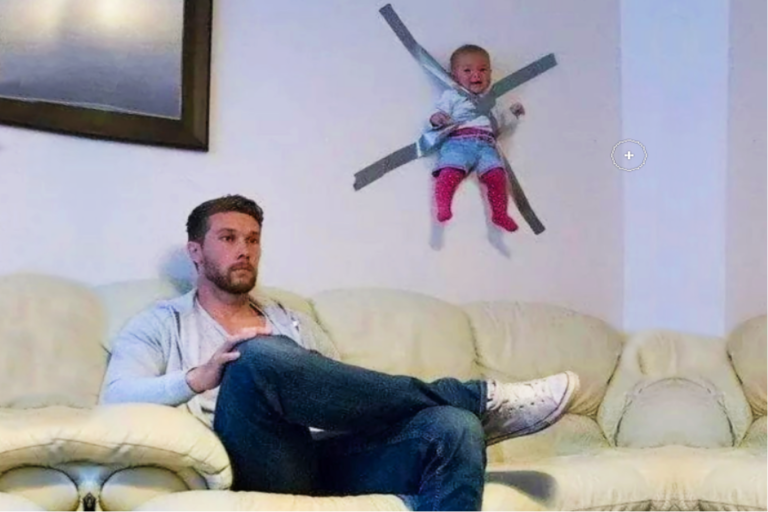
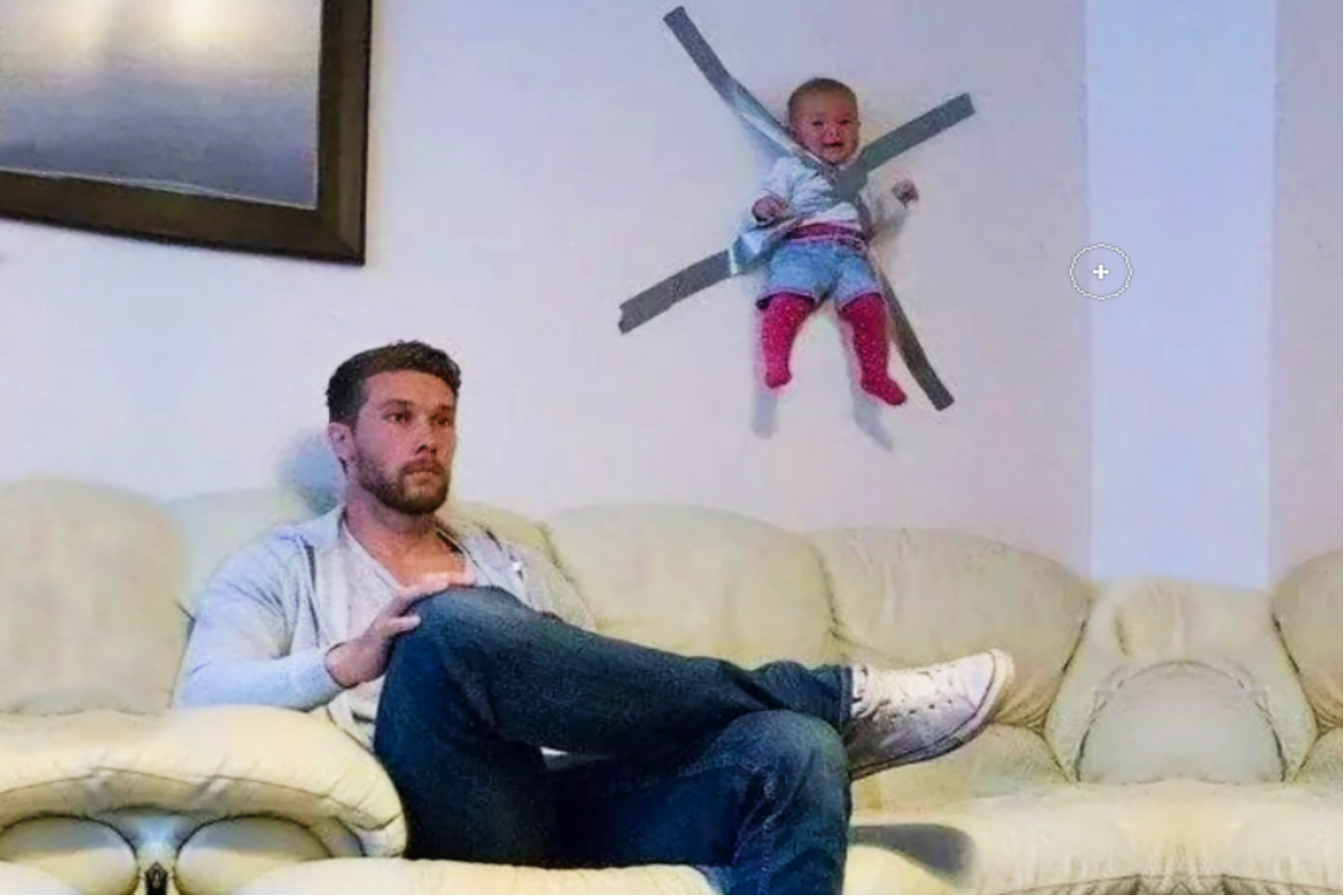
Father criticised after duct-taping baby daughter to lounge wall during MOTD.

By Our Norfolk Reporter: Ian Bred

LOWESTOFT, SUFFOLK — A father has been accused of “appalling parenting” after posting a photograph online showing his 11-month-old daughter attached to a living room wall with duct tape while he watched football on TV.

The image, uploaded late Tuesday evening with the caption “finally found something that works,” quickly circulated across social media platforms, where users expressed concern over the child’s welfare.

New dad, Terry Dicks, 28, defended the arrangement as a “temporary and practical childcare solution” designed to stop the baby “crawling behind the sofa, unplugging things and generally causing chaos during Match of the Day.”

Climbing the walls

Neighbours said the man had previously complained about the difficulty of “keeping control” of an increasingly mobile infant.

“He said babies move constantly and there’s no pause button,” said one resident. “At first we thought he was joking when he mentioned ‘wall storage’.”

Child protection officials confirmed they were “aware of the image” and were assessing whether intervention was required. One spokesperson stated that while parenting could be “challenging and exhausting,” adhesive restraint systems were “not the answer.”

At the time of publication, the father had removed the baby with duct tape photograph and replaced it with a brief statement reading: “People are overreacting. She actually enjoyed being up there.”

Meanwhille|: Airline engineers repair damaged wing with gaffer tape

Chinese Pool Doubles Champs Have a Crack at Suffolk Open

Chinese Pool Doubles Champs Have a Crack at Suffolk Open

Ipswich hosts global doubles pool championship amid viral controversy excitement.

By Our Norfolk Reporter: Ian Bred

IPSWICH, SUFFOLK – Ipswich is preparing to host the inaugural World Doubles Pool Championship this weekend, with duos from across the globe converging on the Suffolk town to compete for a £30,000 top prize.

The event, held at the Ipswich Recreation and Cue Sports Arena, has already attracted significant attention following a series of unconventional qualifying rounds across Europe and Asia.

Organisers say the format encourages creativity, with teams of two often required to complete trick shots involving limited cue positioning and coordinated body movement.

Among the favourites are Chinese champions Tri Yang Gol and Chok Kew, who recently won the Far East Championships after a controversial incident involving an arse crack during the final frame.

Polished balls

In Ipswich, excitement has been building outside pubs and clubs, with local residents welcoming the influx of international players and spectators ahead of the weekend fixtures.

The championship concludes on Sunday evening, when the £30,000 winners will be crowned in what organisers describe as ‘the most technically demanding doubles event ever staged in the region’.

Spectators are expected to line the arena from early morning, with many hoping to witness a repeat of the controversial shot that has already gone viral online, showing the extreme flexibility and coordination required in modern doubles pool, where players often push the boundaries of conventional cue sports technique in pursuit of competitive advantage.

Pistachio Body Mist Is Britain’s New Crisis

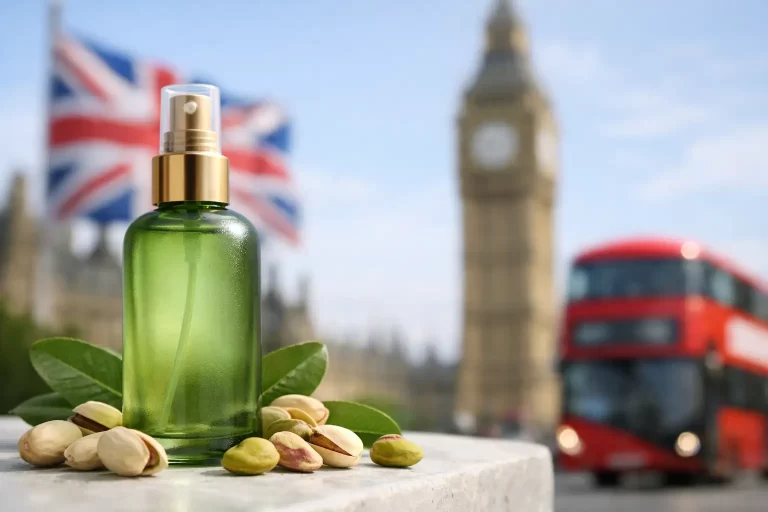
A perfectly ordinary office in East Anglia was forced to open all windows after one member of staff arrived wearing pistachio body mist with the confidence of a woman who had recently watched three skincare reels and decided she was now the moment. By 9.10, two colleagues had asked what smelled “like a gelato van in a cashmere jumper”, one had developed an intense craving for baklava, and management had issued what it called “informal fragrance guidance”.

This, readers will be aware, is how trends now arrive. Not with elegance, nor with restraint, but in a cloud. Pistachio body mist is no longer merely a scent category. It is a social event, a personality type, and for some households, the fourth most discussed issue after mortgage rates, the bins, and whether the Aldi pistachio cream is worth the queue.

Why pistachio body mist is suddenly everywhere

The rise of pistachio body mist follows the standard British pattern for beauty crazes. First, a handful of very glossy people online begin describing themselves as smelling “edible but expensive”. Then comes a barrage of reviews from women standing in car parks saying things like, “No because this one is literally summer in a bottle,” which tells the public nothing and yet somehow everything. Finally, half the country starts misting itself in sweet green gourmand notes while the other half mutters that everyone now smells like dessert.

The appeal is obvious enough. Pistachio sits in a useful middle ground. It is sweeter than a traditional clean floral, softer than a heavy vanilla, and more playful than the sort of perfumes that suggest you’ve arrived to discuss inheritance tax. A good pistachio body mist smells creamy, nutty, slightly sugary and faintly sun-loungery, as if a beach club and a pudding trolley had agreed to collaborate.

That said, quality varies wildly. At its best, pistachio smells warm, smooth and faintly luxurious. At its worst, it can veer into what experts in local WhatsApp groups have termed “burnt biscuit with ambition”. This is the central gamble. A body mist is meant to feel easy and generous. But once brands start chasing trends at speed, some bottles end up smelling less like pistachio and more like a fondant fancy left in a Vauxhall Corsa.

The great pistachio body mist divide

No fragrance trend reaches maturity in Britain until it has caused low-level tension in public places. Pistachio body mist has now achieved that honour.

Supporters insist it is cheerful, flattering and ideal for everyday wear. They like that it feels less severe than formal perfume and less aggressively sporty than the body sprays of our national adolescence, when every sixth form corridor smelt like aerosol panic. For them, pistachio is modern but not cold, sweet but not childish, and noticeable without the social violence of oud on the 07.32 to Liverpool Street.

Sceptics, however, have raised concerns. Some find the edible quality a touch too literal, especially before noon. Others object to the strange emotional confusion of smelling like pudding while queueing in Boots for antihistamines. A small but vocal faction maintains that no adult should smell “like a sugared nut” unless they are physically standing inside a Christmas market chalet.

Both sides have a point. Pistachio body mist works brilliantly when it is balanced by salt, musk, sandalwood or a bit of airy freshness. Without that structure, the whole thing can become cloying. Fragrance, like local council planning, is all about proportion.

What pistachio actually smells like in body mist

For the uninitiated, pistachio in perfumery is rarely a straight recreation of cracking open a bag from the corner shop. It is usually an interpretation – sweeter, creamier and more polished. Brands often pair it with vanilla, almond, caramel, heliotrope, tonka or coconut, which means the result can land anywhere between ice cream parlour and rich aunt on holiday.

This is worth knowing before you blind buy. If you want something fresh, pistachio may disappoint unless it has citrus or sea-salt notes to cut through the creaminess. If you want comfort and softness, though, it can be a winner. Think less “just showered” and more “has opinions about linen co-ords”.

Projection matters too. A body mist is usually lighter than perfume, which sounds reassuring until you meet the sort of person who interprets “lighter” as permission to apply forty-seven sprays in a hatchback. Pistachio mists can cling surprisingly well on clothes and hair, especially if they lean gourmand. In plain terms, what starts as a dainty top-up can become a district-wide announcement.

Where it works – and where it really doesn’t

Pistachio body mist shines in casual settings. It suits weekends, daytime plans, cinema trips, soft jumpers, airport lounges and the sort of brunch where somebody says “we absolutely needed this” over eggs and a £4 coffee. It also works well as a comfort scent at home, which is an elegant phrase for wearing fragrance while doing very little.

At the office, things become more delicate. One spritz can read polished and pleasant. Seven can trigger a conversation with HR, especially in open-plan environments where Dave from procurement already thinks all scented products are an attack on civil liberties. Close quarters change the equation. Trains, lifts and packed pubs are not the place to test the outer limits of pistachio-based self-expression.

Weather matters as well. In cooler months, a creamy pistachio can feel cosy and charming. In a heatwave, the same mist may turn oddly sticky, like a pudding trying to campaign for Parliament. If the air itself has given up, sweet fragrances can become harder to wear. It depends on the formula, but the rule is simple enough – the hotter the day, the lighter your hand should be.

The real reason people love it

Under all the fuss, pistachio body mist succeeds because it offers mood more than mystery. It is not trying to make you seem aloof, aristocratic or emotionally unavailable in an expensive way. It wants to be liked. It is cheerful, a bit indulgent, and just self-aware enough to know that smelling faintly of dessert is a ridiculous thing for an adult to pursue so seriously.

That is part of the charm. British fragrance culture often swings between two poles – aggressively clean or solemnly luxurious. Pistachio disrupts that with a note that feels fun without being wholly daft. It has enough softness to be comforting and enough sweetness to feel like a treat, which, given the state of everything else, is not nothing.

There is also the social media factor. Pistachio sounds good. It looks good in captions. It suggests a lifestyle involving glossy hair, expensive sun cream and not checking your overdraft before ordering another drink. Whether any of that is true is beside the point. Fragrance has always sold aspiration, and pistachio happens to be this season’s preferred fantasy.

Should you wear pistachio body mist?

Probably, if you enjoy sweet scents and understand the concept of moderation, a principle Britain abandoned sometime around 2016. If you usually prefer sharp citrus, green florals or woody scents, pistachio might feel too pudding-adjacent. But if you like creamy, cosy, slightly holidayish fragrances, it is easy to see the appeal.

The smart move is to test it on skin, not paper. Body chemistry changes everything. On one person, pistachio turns soft and elegant. On another, it becomes caramelised chaos by lunchtime. This is not a moral failing. It is just fragrance being annoying.

And do consider what you want from a body mist specifically. If you’re after something breezy to reapply during the day, pistachio can work beautifully. If you want all-day depth and polish, a perfume may serve you better. Body mists are meant to be casual. Once people start discussing longevity like they are reviewing diesel engines, the category has lost its way.

For now, pistachio body mist remains one of the more entertaining beauty trends to drift across the country in a fragrant, slightly sticky cloud. It is divisive, impractical in excess, and occasionally one spray away from trifle. Yet when it is done well, it feels warm, modern and oddly cheering. Wear it lightly, know your audience, and if the office windows swing open when you arrive, take the hint with grace.


Mandelson Vetting Gets the Parish Treatment

0

The village hall in need of a lick of magnolia had already filled with clipboard holders, retired deputy heads and one man who still refers to Peter Mandelson as if he were a weather system. Mandelson vetting, once the preserve of Westminster operators, special advisers and people who say “optics” with a straight face, has now reached rural East Anglia, where it is being used to assess dog shows, church raffle prizes and whether Dave from Stowmarket should really be trusted with the barbecue tongs again.

Residents say the practice began after a local parish clerk attended a policy breakfast in Ipswich and came back convinced the district lacked “a proper framework for reputational due diligence”. Nobody knew what that meant, but it sounded expensive and faintly metropolitan, so naturally everyone supported it. Within days, forms were circulating across Suffolk asking whether nominees had any known links to scandal, ambition, yacht shoes, or previous service as a panellist on Question Time.

What is mandelson vetting, exactly?

Like many concepts imported from London, mandelson vetting is easiest to recognise in the wild than to define on paper. In theory, it is a rigorous process of checking whether a person, proposal or event might blow up embarrassingly in public. In practice, it means asking increasingly suspicious questions until the candidate either withdraws gracefully or is found to have once liked a tweet about urban cycling.

The name, of course, carries a certain freight. It conjures a whole era of polished menace – focus groups, plausible deniability, and men in crisp shirts explaining why a very obvious disaster is actually a strategic reset. To deploy mandelson vetting in a local setting is therefore to confer on mundane life a thrillingly unnecessary level of intrigue. The village fête is no longer a fête. It is now a reputational event with stakeholder sensitivities.

In Framlingham, the WI reportedly subjected a proposed jam competition to three tiers of review after concerns that one marmalade entrant had “insufficient backstory”. In Diss, a youth football sponsor was asked to clarify old remarks made in a pub in 2009 regarding line judges, Arsenal supporters and the correct texture of a pork pie. Near Woodbridge, a scarecrow competition stalled for a week because the leading entry was judged “too leadership-coded”.

How mandelson vetting spread so quickly

The first reason is simple. Britain loves bureaucracy provided it arrives wearing the right shoes. Give a parish committee a ring binder and half a suggestion of constitutional jeopardy, and by teatime they will have invented six sub-panels and a declaration of interests for the tombola.

The second is that mandelson vetting flatters everyone involved. The vetters get to feel like seasoned operators peering over bifocals at hidden risk. The vetted get to behave as if their role as assistant treasurer of the bowls club is akin to being shortlisted for the Cabinet. Even those rejected gain status. It is one thing to be turned down for the flower rota. It is quite another to be removed following an adverse review of your narrative position.

There is also the national mood to consider. For years, the public has watched professional politics become a strange branch of theatre in which nobody answers the question asked, but everybody has an adviser. It was only a matter of time before local life copied the form while forgetting the point. Mandelson vetting is merely the latest example of Britain taking a grim Westminster habit and applying it to a fun run.

That said, there are trade-offs. Some supporters argue the process has improved standards. A fireworks display in Lowestoft was reportedly saved after a proper risk review identified that the display captain, though popular, had previously described health and safety as “a conspiracy by joyless men in fleeces”. Others complain the whole thing has gone too far. One Leiston resident claimed his candidacy for quiz night host was derailed by malicious briefings about a 2017 answer involving Estonia.

The Suffolk version of mandelson vetting

Naturally, the county has adapted the concept to local conditions. Westminster mandelson vetting tends to focus on donor history, media exposure and whether a person can survive being photographed near a skip. Suffolk’s version is more granular. Here, the real questions are whether your aunt once fell out with the churchwarden, whether you know too much about tractors to be objective, and whether your Facebook profile picture suggests Reform UK, amateur dramatic society, or both.

Several councils have allegedly adopted a traffic-light system. Green means no obvious scandals and a respectable attitude to jacket potatoes. Amber means some concerns, often involving a gazebo, a business breakfast or unexplained views on bypasses. Red means the panel has found evidence of prior service on more than three consultative forums and fears the candidate may be addicted to process.

Then there is the pub test, still regarded by old hands as the gold standard of mandelson vetting. If a person can enter a local pub, order crisps, and survive five minutes of unsolicited opinion from a man in a quilted gilet without saying anything career-ending, they are considered fit for public-facing duties. Fail, and you may still be allowed to oversee car parking, but only under supervision.

An especially fierce form of scrutiny has emerged around summer fêtes, where reputational danger now lurks in every sponge cake. In one reported case, a candidate for “opening the duck race” was asked to account for previous remarks about geese, his attendance at a controversial tapas evening in Bury St Edmunds, and whether he had the emotional resilience to cut a ribbon if challenged by local Facebook commenters.

Who benefits from all this?

On paper, everyone. In reality, chiefly the sort of person who enjoys saying “for the record” before criticising a neighbour’s bunting. Mandelson vetting has created a golden age for amateur operatives – those semi-detached strategists who once had nowhere to put their talents except parish newsletters and stern emails about litter.

They now have purpose. They can compile briefing packs. They can run whispering campaigns in the bakery queue. They can note, with practised neutrality, that while Mrs Tindall remains a valued member of the community, there may be outstanding questions around the gala’s missing prosecco and her unusual closeness to the former chair of governors.

Yet it would be unfair to dismiss the phenomenon entirely. Even satire has to admit that some vetting is better than none. If someone wants control of the Christmas lights budget, a few questions are sensible. If a prospective carnival organiser has a habit of calling everyone “snowflakes” and insisting he can source fireworks from a bloke off the A14, caution is not elitism. It is housekeeping.

The trouble starts when scrutiny turns into performance. Good judgement becomes a game of appearing serious, and appearing serious in Britain too often means making ordinary life faintly miserable. Before long, no one can arrange a charity beetle drive without a disclosure form, a reputational matrix and a whispered allegation involving a gazebo collapse during the Diamond Jubilee.

Why mandelson vetting suits Britain so perfectly

Because it combines three national passions – suspicion, procedure and the chance to feel superior while technically volunteering. It lets people pretend they are defending standards when they are often just pursuing a very old grudge with fresh stationery.

It also speaks to a deeper British instinct: the belief that disaster is always one unchecked committee member away. We queue for buses as if civilisation depends on it. We minute meetings nobody wanted. We maintain whole emotional architectures around not making a fuss, then invent labyrinthine systems for making a fuss indirectly. Mandelson vetting is merely that impulse in smarter shoes.

And yes, there is something delightful in seeing grand political habits shrink to village size. The same country that once obsessed over spin doctors can, with no loss of solemnity, apply identical energies to the judging panel for giant vegetables. You could say this is decline. You could also say it is efficient reuse of national character.

If the trend continues, expect further innovations by autumn. School nativities may require background checks on innkeepers. Morris dancers could face ideological screening. Somewhere near Sudbury, a man is almost certainly preparing a confidential note on whether the new allotment secretary presents “unnecessary exposure in the turnip space”.

For now, the wisest response is not panic but proportion. Ask sensible questions. Ignore the theatrical ones. And if a neighbour announces they have introduced mandelson vetting to the village quiz committee, smile politely, hide your old tweets, and never admit what you really think about jacket potatoes.

Keir Starmer Resignation Panic Hits Suffolk

0

Residents across Suffolk have been urged not to overreact to fresh keir starmer resignation speculation, after at least three parish councils, one man in Felixstowe and an unusually alert heron near Woodbridge all began making contingency plans before breakfast. The panic appears to have begun when somebody in Ipswich misheard a Radio 4 bulletin, passed it on in the queue at Greggs, and by 9.12am half the county was behaving as though Whitehall had been moved to Stowmarket and was now operating from the back room of a soft play centre.

Officials have moved quickly to calm nerves. A spokesperson speaking from outside a village hall in Mid Suffolk said there was currently “no formal sign” of a resignation, although they admitted the phrase itself had achieved “a frankly ridiculous level of local traction” and was now being discussed with the same intensity usually reserved for potholes, school places and whether the Co-op meal deal has gone woke.

Why keir starmer resignation rumours spread so quickly

Part of the problem, analysts say, is that Britain now processes politics the way it once processed weather – by peering suspiciously out the window, saying “that doesn’t look right”, and blaming the Met Office, Brussels or Gary from accounts. The words “keir starmer resignation” have the sort of lurid, tabloid snap that sends people into a frenzy even when there is almost nothing underneath it except vibes, one blurry screenshot and a man on Facebook called Neil insisting he “heard from a source”.

In Suffolk, where national politics is often consumed through the noble filters of local gossip, pub certainty and someone’s auntie who once met a cabinet minister at Southwold pier, the story developed a life of its own. By mid-morning, Lowestoft taxi drivers were discussing likely successors, Framlingham had formed a silent prayer circle around a sourdough loaf, and Bury St Edmunds had already produced a slightly superior theory that everybody else was reading the situation wrong.

There is, of course, a trade-off with these moments. On the one hand, a dramatic Westminster resignation would offer the nation a day of glorious rolling coverage featuring urgent red graphics, doorsteps full of microphones and at least one political editor using the phrase “fast-moving situation” while standing in drizzle. On the other, most people would still need to put the bins out, answer emails and decide whether the milk in the fridge had become sentient.

Suffolk prepares for the worst, or at least the usual

Across the county, practical measures have been announced with the sort of stern competence generally associated with flood defence or a suspiciously competitive church fête. In Leiston, one residents’ association confirmed it had drawn up a “Starmer Exit Readiness Plan”, which reportedly consists of tea, murmuring and making sure everyone has enough battery on their phone to act disappointed online.

In Hadleigh, the town council briefly convened an emergency committee after a member asked what a resignation would mean for local parking enforcement. After two tense hours, they concluded it would probably mean nothing at all, but agreed to remain vigilant in case events in Westminster somehow affected whether Derek from number 42 could continue abandoning a silver Nissan half on the kerb and half in the known universe.

Not every part of Suffolk reacted with panic. Some villages chose to respond in the traditional East Anglian style, which is to narrow both eyes, sip tea and wait for London to embarrass itself properly before getting involved. One man outside a butcher’s in Eye said he would only believe a resignation after seeing at least six contradictory headlines, two blurry photos and a member of the shadow cabinet doing that expression politicians do when they are trying to look grave while secretly calculating the seating plan.

Local experts weigh in on Keir Starmer resignation

The Gazette sought comment from several respected local authorities, including a retired geography teacher, a woman who runs a card shop, and a pub dog in Saxmundham who has become a reliable barometer of national unease. Their verdict was mixed.

The geography teacher said a resignation would alter the political landscape, then paused to apologise for the metaphor and spent ten minutes explaining contour lines. The card shop owner said she had already sold eight sympathy cards, four celebration balloons and one “Sorry For Your Loss” banner to a man who refused to specify the tone he was going for. The dog merely stared into the middle distance, which insiders described as “not a positive sign”.

There is also the question of timing. If such a thing were to happen, when would be the ideal moment? A Friday afternoon is always popular with political operators who prefer their scandals released while journalists are eyeing the pub. But a Sunday morning carries its own theatrical charm, especially if paired with solemn interviews and a nation trying to butter toast while hearing the phrase “serious questions” seventeen times before noon.

Still, it depends what sort of resignation story people think they want. Some crave a constitutional earthquake, all gasps and dramatic exits. Others prefer the slower British model, where a leader appears increasingly haunted for weeks before eventually announcing their departure in a careful statement that sounds as though it was drafted by committee, revised by lawyers and emotionally proofread by an orchid.

Westminster drama reaches the deli counter

Perhaps the clearest sign that the keir starmer resignation chatter had escaped into ordinary life came in an Ipswich deli, where customers reportedly abandoned a heated discussion about fennel salami to speculate on Labour’s internal mechanics with the confidence of men who once watched half an episode of The Thick of It. Witnesses described scenes of rare intensity as one shopper declared the resignation inevitable, another called it media nonsense, and a third insisted the true story was being buried by the self-service till update in Aldi.

This is where these episodes become unmistakably British. Nobody really knows what is happening, yet everyone speaks as though they have just left a secure briefing. A plumber from Sudbury claimed the whole matter had been decided during “private discussions”. Asked which discussions, he admitted he meant a WhatsApp group called Real News Only, featuring his cousin, two former teammates and a man named Big Kev who posts eagles.

Meanwhile, local bookmakers have refused to rule anything in or out, although one admitted they had stopped taking novelty bets on Starmer taking up a quieter life managing a garden centre near Diss after odds shortened suspiciously from 500-1 to “please stop asking”.

What happens if nothing happens

An awkward possibility remains. The most likely outcome in any modern political panic is that absolutely nothing changes, beyond the nation becoming slightly more exhausted and several thousand people having to delete overly confident posts. That would leave Suffolk with a familiar residue of anticlimax, much like discovering the huge emergency roadworks were only there so someone could stare at a cone for six hours.

Yet even if the rumours fade, the episode has revealed something useful about how politics now functions in the public imagination. It is no longer enough for events to occur. They must also circulate as mood, theatre and communal hobby. The country doesn’t merely follow Westminster any more – it live-reviews it, misquotes it, turns it into pub folklore and occasionally treats it as though a cabinet reshuffle might directly affect the price of a sausage roll in Halesworth.

That is probably why the story landed so well in Suffolk. The county already understands the comic distance between official language and lived reality. It hears “strategic review” and assumes somebody has moved three plastic chairs and printed a leaflet. It hears “sources suggest” and pictures a man in a fleece whispering beside the freezer aisle in Morrisons.

So, will there be a resignation? Maybe. Maybe not. British politics has become expert at making every hour feel historic right up until the moment everybody remembers they still need to collect the children, find a parking space and work out why the boiler has chosen this exact week to develop principles.

Until anything concrete happens, the wisest course is calm. Put the kettle on. Ignore any breaking news that comes from a bloke with a tricolour avatar and no surname. And if your parish council starts stockpiling custard creams for a constitutional emergency, at least make sure they get the nice ones.

Laa-Laa Land: Tom Hardy to star in Teletubbies the movie

Laa-Laa Land: Tom Hardy to star in Teletubbies the movie

TUBBYTRONIC SUPERDOME – Hollywood A-lister Tom Hardy has been cast as Po, the red Teletubby, in an upcoming feature-length Teletubbies movie. The Venom and Legend star, known for his intense roles and gruff demeanour, is reportedly “thrilled” to take on the role, citing his lifelong love for the iconic 90s children’s show.

By Our Entertainment Editor: Arthur Pint

Hardy, whose rugged image has made him a heartthrob for many, seems an unlikely fit for the loveable, tricycle-riding Po. “I’ve always felt a deep connection with Po. He’s the rebel, the one who doesn’t fit the mould,” Hardy explained in a press release. “Plus, the costume is a challenge I’m ready for!”

Other blockbuster stars are joining the ranks, with Tom Cruise set to play Tinky-Winky, Leonardo DiCaprio as Dipsy, and Will Smith as Laa-Laa. The film, which is reportedly being directed by a “visionary director” (no, it’s not Christopher Nolan), will take the Teletubbies to new heights. In this iteration, the lovable foursome will frolic through Teletubbyland, engaging in wholesome activities like dancing, singing, and playing—until things take a dramatic turn.

Voice Trumpet

Enter Liam Neeson, cast as a nefarious drug lord whose arrival in Teletubbyland triggers a violent clash. As the Teletubbies, armed with assault rifles and grenades, fight to protect their peaceful world, viewers will be treated to an action-packed spectacle never before seen in children’s programming.

The movie promises to blend nostalgia with explosive action in a way that only Hollywood can. If nothing else, it will undoubtedly be the most unlikely crossover since Shrek met Puss in Boots.