
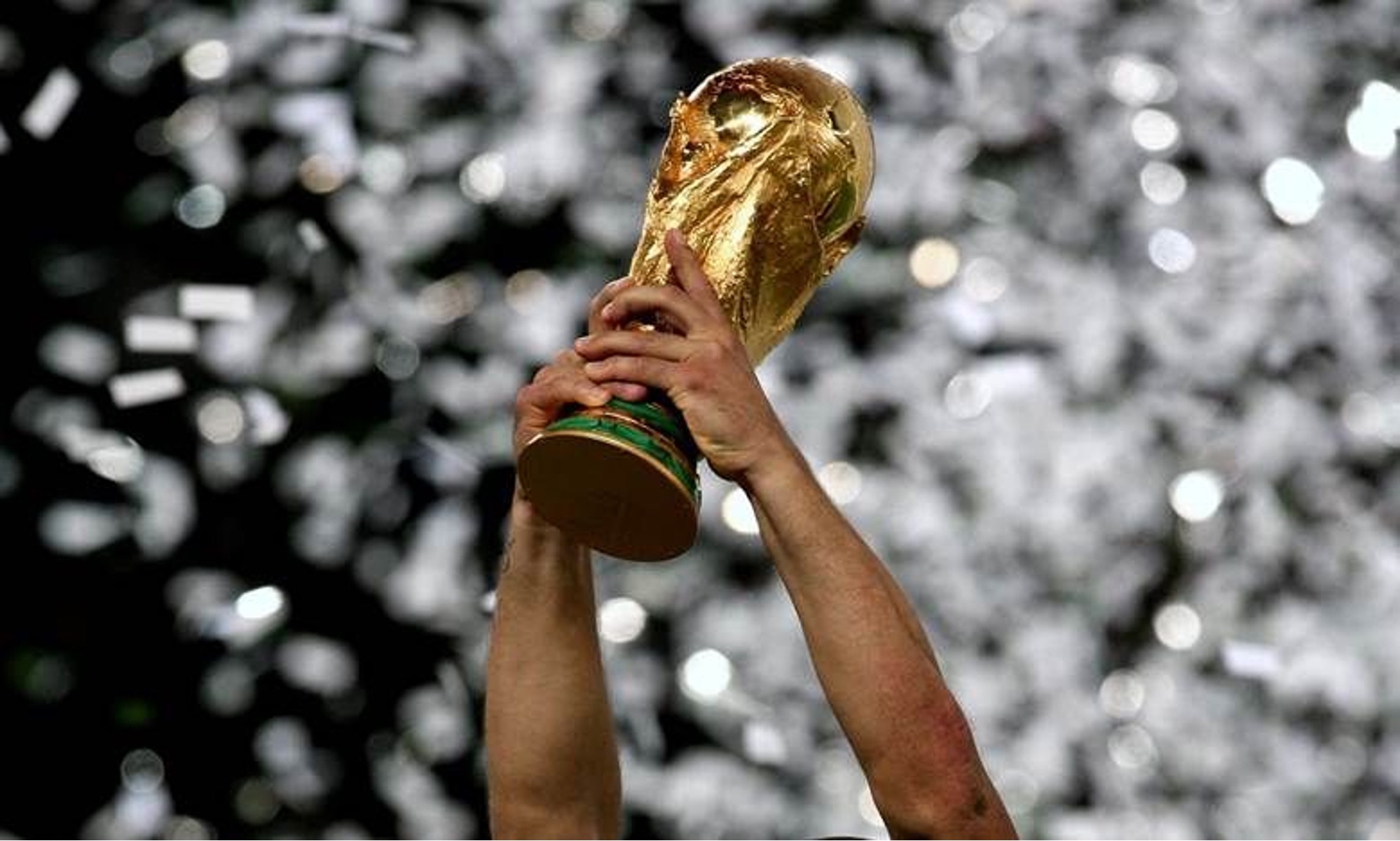
In April 2016, the FIFA world rankings told a story of South American dominance, with the continent taking three of the top four places. Many of today’s favourites in the FIFA 2026 World Cup odds were further down the order than you may expect 10 years ago.
A decade on, the order looks almost unrecognisable. Several nations that defined the 2016 top four have since fallen sharply, while others have risen from well outside the upper reaches of the table.
April 2016 rankings:
1. Argentina
2. Belgium
3. Chile
4. Colombia
5. Germany
6. Spain
7. Brazil
8. Portugal
9. Uruguay
10. England
April 2026 rankings:
1. France
2. Spain
3. Argentina
4. England
5. Portugal
6. Brazil
7. Netherlands
8. Morocco
9. Belgium
10. Germany
Argentina: still elite, no longer top
Argentina’s position in 2016 was built on Lionel Messi’s peak years and a squad that had reached the 2014 World Cup final and back-to-back Copa America finals. They were the most complete international side in the world at that point. Since then, they have added the 2021 Copa America and the 2022 World Cup in Qatar, with Messi’s performances in the final against France settling the debate about his international legacy.
Despite all of that, Argentina currently sit third rather than first in the current standings, having just fallen from second in the most recent standings update. The Elo-based system FIFA now uses rewards consistent competitive activity, and Argentina have played fewer qualifying fixtures in recent months than France or Spain.
Belgium and Chile: rapid falls from the top
Belgium held top spot for much of 2015 and 2016, built around Kevin De Bruyne, Eden Hazard, and Romelu Lukaku. That generation reached the 2018 World Cup semi-finals, finishing third, but never won a major tournament. As the squad aged and results became less consistent, the rankings followed suit. They are now ninth.
Chile’s decline was sharper. The back-to-back Copa America winners of 2015 and 2016, built around Arturo Vidal and Alexis Sanchez, failed to qualify for the 2018 or 2022 World Cups. That generation had no successors of equivalent quality, and Chile now sit outside the top 30, having failed to qualify for this year’s tournament.
England: from the edge of the top 10 to fourth
England’s 10th-place ranking in April 2016 was already fragile, and after the Iceland defeat at the Euros they slipped out of the top 10, reaching as low as 13th. The recovery since has been built on consistent tournament progression, with semi-finals at the 2018 World Cup, finals at Euro 2020 and Euro 2024, and a 2026 qualifying campaign in which they won all eight games without conceding a goal.
France and Morocco: the decade’s biggest risers
The current favourites, France, were 21st in April 2016. They went on to win the 2018 World Cup, reach the final again in 2022, and reclaim top spot in April 2026 following a 2-1 friendly win over Brazil in March, which pushed them ahead of Spain on 1,877 points.
Morocco’s rise is the most striking of any nation in this period. They were 64th in April 2016, but their 2022 World Cup run to the semi-finals, which included wins over Spain and Portugal, transformed their standing in the rankings. A 2025 Africa Cup of Nations title consolidated it, though not without controversy. Senegal initially won the final 1-0, but a default win was handed to Morocco months later following an investigation into Senegal’s 15-minute pitch-walk protest. They are now eighth in the world, the first African nation to break into the top 10, though for many observers, how much credit they deserve for that particular honour remains an open question.