
International property investors are becoming more selective about where they place their money.
Rising borrowing costs, higher purchase prices in established European markets and uncertainty over future returns have encouraged many buyers to look beyond the destinations that dominated overseas property discussions a decade ago.
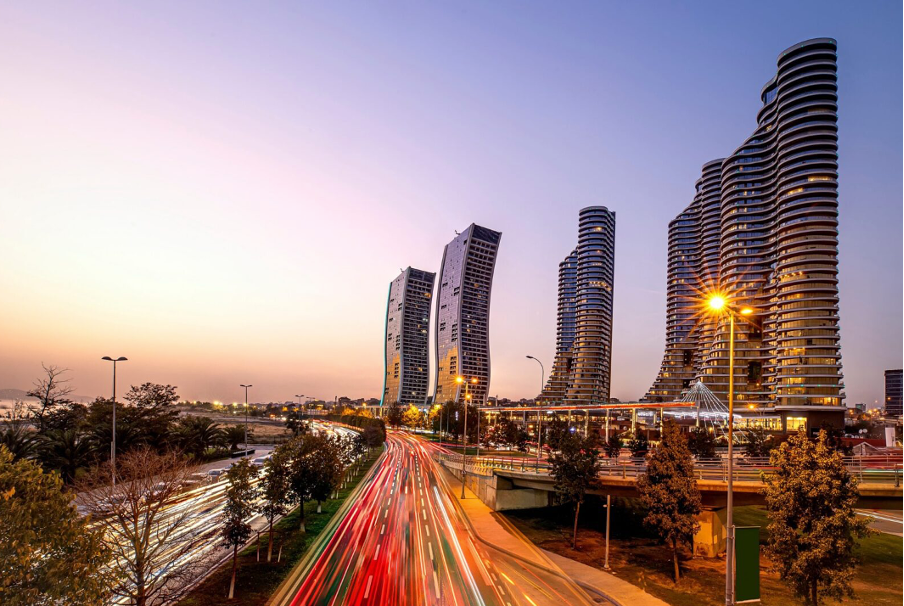
Turkey is increasingly benefiting from that shift, with Istanbul emerging as the main focus of attention.
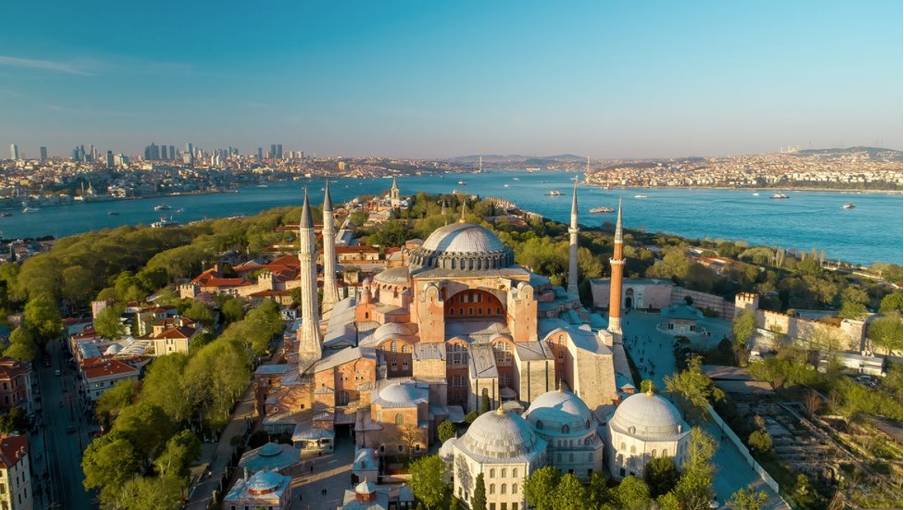
The city’s appeal is not difficult to understand. Istanbul combines a population of more than 15 million people with major business districts, universities, hospitals, transport investment and constant demand for modern housing. It is also one of the few global cities where international buyers can still enter the market at prices below those found in many comparable commercial centres.Within that market, off-plan developments are attracting particular interest.
Why Investors Are Looking at Istanbul
Off-plan property involves purchasing a home before construction has been completed. Buyers may reserve during the early stages of a project, often at a lower price than they would pay once the development is finished.
For international investors, the attraction is the possibility of securing a property at today’s price while the surrounding district, transport network and development itself continue to mature.
Istanbul offers several conditions that can support this approach.
Large areas of the city are undergoing regeneration, with ageing residential buildings being replaced by modern developments offering improved engineering standards, underground parking, landscaped communal areas and better energy efficiency.
New metro connections, road improvements and expanding business districts are also changing the prospects of neighbourhoods that were previously considered peripheral.
This does not mean every new development will perform well. However, investors who select carefully may gain exposure to both construction-stage price growth and the longer-term demand generated by the city’s expanding professional and family population.
The Appeal of Buying Before Completion
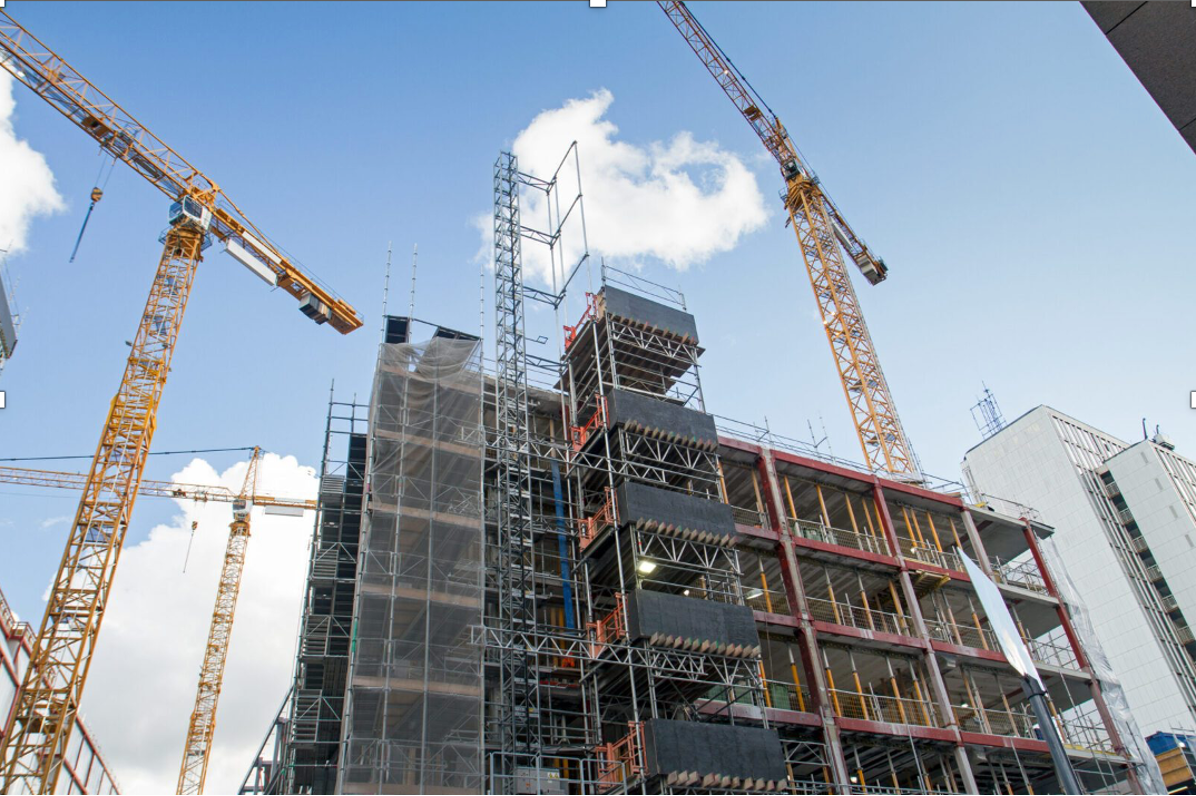
One of the main advantages of off-plan property is access to early-stage pricing.
Developers commonly release projects in phases. The first units may be offered at more competitive prices to generate momentum, while later phases can become more expensive as construction advances and confidence in the scheme increases.
Payment arrangements may also be more flexible than those available for completed homes. Rather than paying the entire purchase price immediately, some buyers can make an initial deposit followed by staged payments linked to construction milestones.
This can help investors manage cash flow, although the terms differ considerably between projects.
The strongest opportunities are usually not determined by price alone. Location, unit layout, build quality, transport access, local rental demand and the developer’s previous record are all likely to influence the eventual result.A well-positioned apartment designed for ordinary residents may retain stronger resale and rental appeal than a property marketed almost entirely to overseas purchasers.
For investors researching off-plan property in Istanbul the key question is therefore not simply whether a development looks attractive at launch, but whether people will still want to live there after construction has ended and the initial marketing campaign has moved on.
Rental Demand Supports the Market
Istanbul’s scale provides a diverse tenant base.
Professionals working in finance, technology, healthcare and international business require accommodation throughout the year. Universities attract students and academic staff, while hospitals, tourism and multinational companies support additional demand across different parts of the city.
This makes Istanbul fundamentally different from markets that depend heavily on seasonal visitors.
An apartment near a metro station, university, hospital or major employment centre may appeal to tenants regardless of whether international tourism rises or falls. That year-round demand can be particularly important for overseas investors seeking reliable occupancy rather than occasional holiday income.
Modern buildings may also have an advantage over older housing stock. Tenants increasingly look for security, parking, efficient heating and cooling, shared facilities and buildings constructed to current standards.
As a result, some investors are focusing less on historic central districts and more on regeneration areas where new residential supply is being developed alongside transport and commercial infrastructure.
Citizenship Is One Factor—Not the Only One
Turkey’s property market attracts buyers for a variety of reasons, and investment migration is only one of them.
Some international purchasers are interested in rental income or portfolio diversification. Others see Istanbul as a city with long-term economic potential because of its strategic location between Europe, Asia and the Middle East.
For some investors, qualifying property may also support an application under Turkey’s Citizenship by Investment programme, subject to meeting the government’s legal and financial requirements. While this has undoubtedly increased international awareness of the market, experienced advisers generally suggest that citizenship should be viewed as an additional benefit rather than the primary reason for choosing a particular development.
A property should first make commercial sense on its own merits.
Due Diligence Remains Essential
Despite growing international interest, buying overseas property always involves careful preparation.
Independent legal advice, verification of title documentation, developer due diligence and an understanding of local regulations remain essential before any contracts are signed. Investors should also examine projected service charges, expected rental demand and realistic resale prospects rather than relying solely on promotional material.
Construction quality is another important consideration. Following extensive redevelopment across Istanbul, many new projects have been built to significantly higher engineering standards than older residential stock, but buyers should still investigate the credentials and delivery record of each developer individually.
Market specialists frequently note that successful overseas investments are usually built on careful research rather than quick decisions.
A Market That Continues to Evolve
Istanbul’s property market has changed considerably over the past decade.
New financial districts, transport infrastructure, business investment and urban regeneration have helped reshape many parts of the city. As these improvements continue, international interest has broadened beyond traditional overseas buyers to include investors seeking long-term growth in one of the region’s largest metropolitan economies.
Whether that momentum continues will depend on economic conditions, supply, demand and future policy developments. Nevertheless, many analysts believe Istanbul is likely to remain firmly on the radar of international investors because it offers a combination of scale, connectivity and development activity that is increasingly difficult to find elsewhere at comparable entry prices.
For overseas buyers willing to undertake proper due diligence, off-plan developments have become one of the ways of accessing that growth story. While no property investment can ever be regarded as risk-free, carefully selected projects in established districts continue to attract attention from investors looking beyond short-term market cycles.
As global property markets become more competitive, Istanbul appears well placed to remain part of that conversation. Its expanding infrastructure, diverse economy and continuing regeneration are creating opportunities that extend well beyond traditional holiday-home ownership, helping explain why more international investors are taking a serious look at the city’s off-plan residential market.