
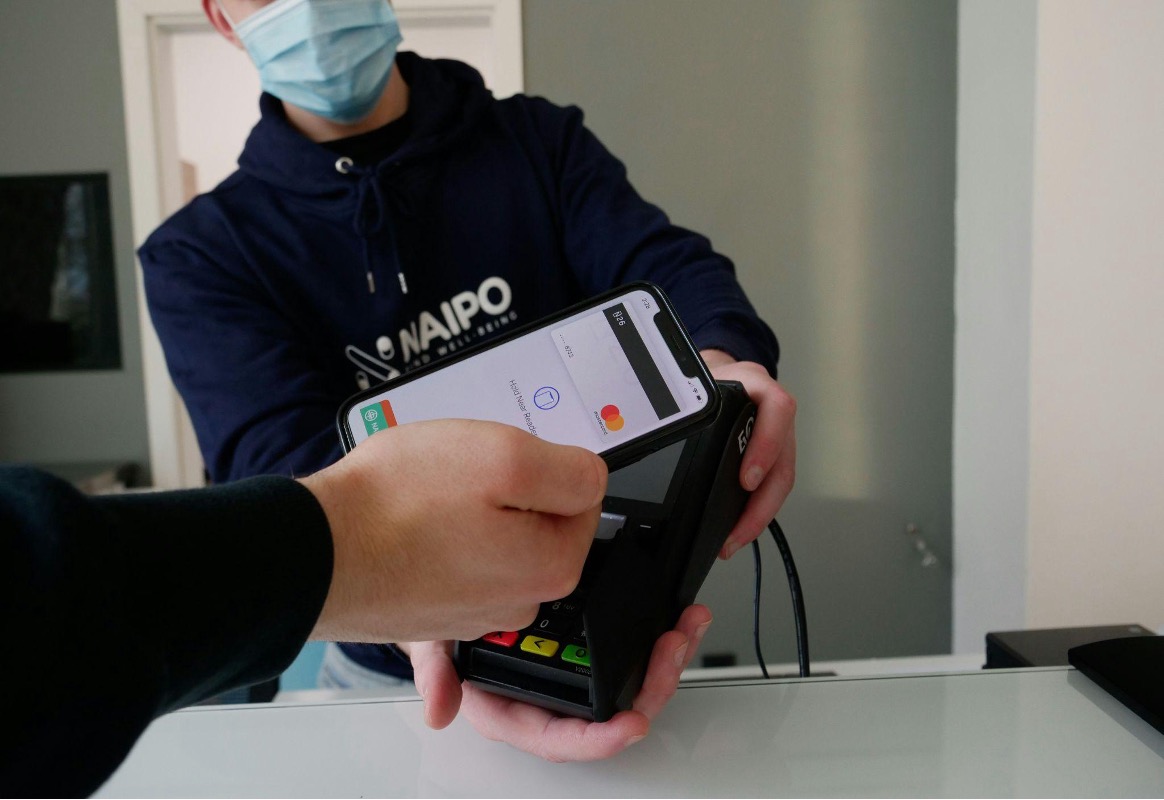
Suffolk has spent most of 2026 adjusting to payment technology that moves faster than the till receipt. Shoppers across the county were still grumbling about the talking self checkout update that left Norfolk shoppers muttering at their groceries when a quieter shift started showing up somewhere else: how people in Ipswich, Bury St Edmunds and Woodbridge choose to put money behind an online bet.
This guide to Apple Pay casinos UK tracks that shift in detail, and the mechanics explain why a phone has started replacing a debit card at the deposit screen. An Apple Pay deposit is confirmed by the account holder’s face or fingerprint, and the casino never actually sees the card number behind it. It receives a one time encrypted token instead, generated fresh for that single transaction.
What changes at the cashier
The guide’s testing found Grosvenor processed an Apple Pay withdrawal in under 15 minutes, a turnaround that would have been unthinkable for a card payment five years ago. bet365 accepts Apple Pay deposits from as little as £5, low enough that the method now sits alongside pocket change rather than a planned outlay. For players used to waiting on a card provider to clear a transaction, the speed is the whole appeal.
That speed matters most to the casual, low stakes player rather than anyone chasing a big win. A £5 deposit confirmed by a fingerprint removes the usual pause between deciding to bet and the account actually showing a balance, the same pause that a card number, expiry date and security code used to force on every single top up.
Credit cards are out of the equation entirely
Credit cards have not been usable for gambling deposits in the UK since April 2020, under rules set by the Gambling Commission to limit borrowing against bets. That ban follows the card into Apple Wallet too: load a credit card into the wallet and a UK casino cashier will still decline it at the point of payment. Only debit cards and linked bank accounts carry through to an approved deposit.
The money does not come back the same way it went in
Most UK casinos only accept Apple Pay on the way in. Withdrawals route back to the debit card sitting behind the Apple Pay token, and that transfer can take up to five working days to land, the same timeline as a standard debit card payout. A deposit confirmed by a fingerprint in seconds still exits through a banking system built for 2026, not for the pace of the method that funded it.
That gap between instant deposits and slower withdrawals is not unique to gambling. Apple’s own security and privacy overview states that Apple does not store the original card numbers used with Apple Pay and does not keep transaction details that can be tied back to the user on its own servers. The bank behind the card still sees and clears every transaction, which is what keeps the five day withdrawal window in place regardless of how the deposit was made.
Read the bonus terms before the deposit, not after
Apple Pay deposits are usually treated the same as a debit card payment for welcome offer purposes, unlike PayPal or Skrill deposits, which several UK casinos exclude from bonus eligibility. Some operators, though, classify Apple Pay as a digital wallet rather than a card method in their own terms, which can rule a deposit out of the same offer. The distinction sits in the small print, and it is worth checking before the deposit goes through rather than after a bonus fails to apply.
Licensing still does the heavy lifting
The payment method is new. The protection behind it is not. Every operator covered in the guide holds a UK Gambling Commission licence, which is what actually governs how deposits are handled, how disputes get resolved and how a withdrawal gets enforced if a casino drags its feet past the five day window. Apple Pay changes how quickly money moves. It does not change who is responsible for where it ends up.
None of this requires a Suffolk resident to do anything differently at home. It changes what happens in the seconds after the deposit button gets pressed, and it puts the responsibility for sorting out a slow payout or a disputed bonus back where it has always sat, with a licensed operator answerable to the regulator, not with the payment method that moved the money.